Waste Scandal in Gospić: Why Has No One Been Punished Yet?
Opposition demands government's dismissal over slow response, while 37,000 tons of waste remain in the soil. USKOK has released alarming findings on pollution.
Opposition demands government's dismissal over slow response, while 37,000 tons of waste remain in the soil. USKOK has released alarming findings on pollution.
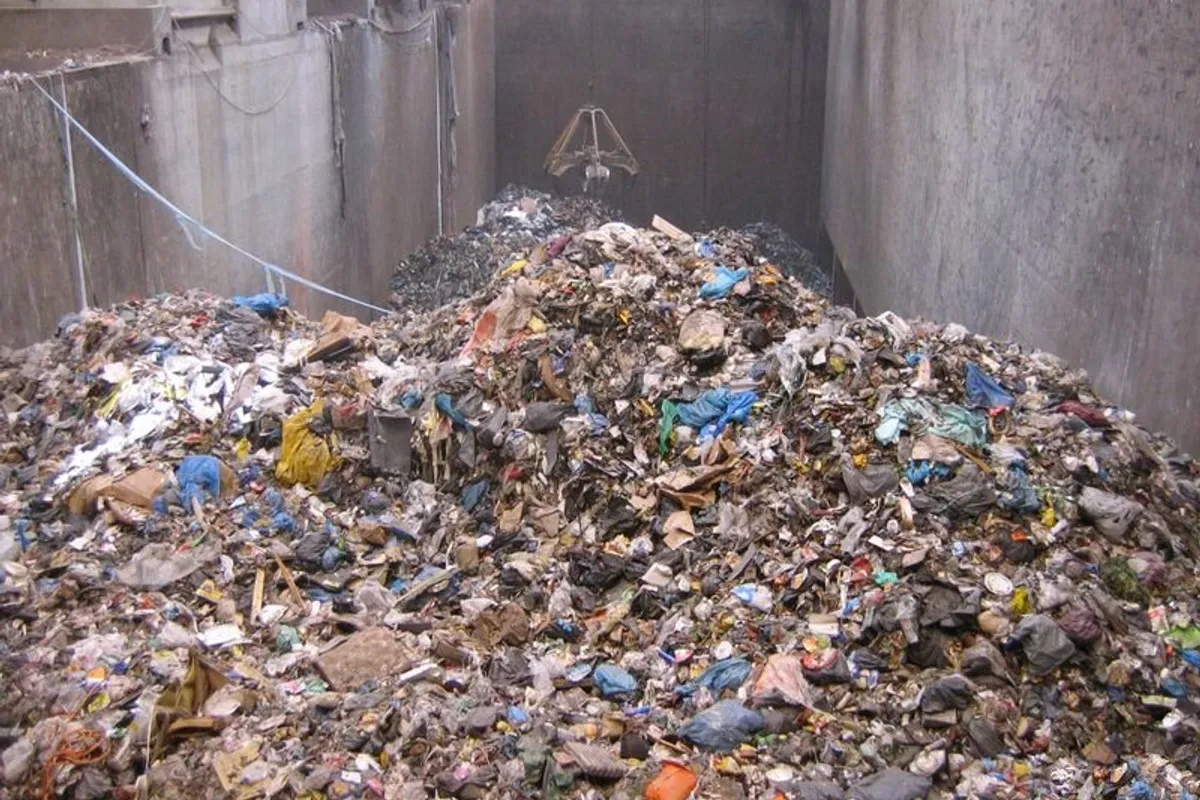
Croatia is facing a major environmental scandal in Gospić, where 37,000 tons of waste have been illegally dumped, and the opposition is calling for the government's dismissal over its slow response. The key question is why no one has been punished, and the waste remains in the ground, causing public frustration.
Croatia's anti-corruption bureau, USKOK, released its findings on pollution this month, bringing the affair back into the spotlight. According to the findings, the soil near Gospić contains the equivalent of approximately 1,750 truckloads of waste. The concentration of copper in the soil is 100 times higher than permitted for agricultural land, while lead levels are 10 times above the legal limit. Additionally, elevated levels of PFAS, so-called 'forever chemicals,' have been detected in groundwater downstream from the landfill.
It is suspected that waste was also illegally dumped in a quarry near Benkovac and in the north, in Varaždin. The waste includes remnants from electronics manufacturing, medical waste, plastics, and construction materials, mixed so deeply with the soil that the only solution is excavation several meters deep.
Early last year, USKOK launched an investigation, leading to the arrest of Josip Sincek, believed by investigators to be the network's leader, and his business partner Monika Sincek. They are suspected of importing 'expensive' waste from other EU countries, such as Italy and Slovenia, as well as from Croatia, and illegally disposing of it at favorable rates. Josip Sincek allegedly earned millions of euros from this scheme.
During the investigation, the name of Andrija Mikulić, then chief inspector, appeared in the case file last year. Josip Sincek claimed during questioning that Mikulić had promised to cover up the case in exchange for half a million euros in bribes. Mikulić was arrested and dismissed from his position. Europol is also involved in the investigation.
President Zoran Milanović, a member of the SDP, reacted sharply to USKOK's findings, asking: "Why has no one been punished to this day for the illegal dumping of hazardous waste, and why have the competent state authorities silently allowed it?" Two opposition parties are seeking a vote of no confidence in the conservative government of Prime Minister Andrej Plenković over its handling of the affair.
Josip Sincek, meanwhile, told Index.hr: "Journalists, politicians, and sensationalist headlines cannot judge my guilt or that of my family. Only the competent authorities can decide on responsibility." A trial date has not yet been set.
The Environmental Protection and Energy Efficiency Fund, which coordinates the cleanup operation, has confirmed that contact has been established with 70 landfills in the European Union. Croatia has no domestic hazardous waste landfill or incinerator. Interested parties can apply for waste removal from the end of this month, but for many in Croatia, the entire process is moving too slowly.