Alcaraz's Wrist Nightmare: 114 Days Off the Court
The young Spaniard misses a second consecutive Grand Slam due to tenosynovitis, with experts warning that recovery from a wrist injury can take up to a year.
The young Spaniard misses a second consecutive Grand Slam due to tenosynovitis, with experts warning that recovery from a wrist injury can take up to a year.
It has been exactly 114 days since Carlos Alcaraz last stepped onto the court in an official match. The young Spanish tennis player, facing a painful inflammation of the tendon sheath in his wrist known as tenosynovitis, is going through the toughest period of his career so far, forced into something he hasn't had to do for two and a half years.
Alcaraz's last appearance was at the Barcelona Open, where he defeated a qualifier in the first round, but it was already evident during the match that he was in pain. He withdrew before the next round, and more than four months have passed since then. On Tuesday, photos and videos of him training in Murcia, Spain, appeared on his social media, showing him with longer hair grown during the forced break, but a return to competitive level is still far off.
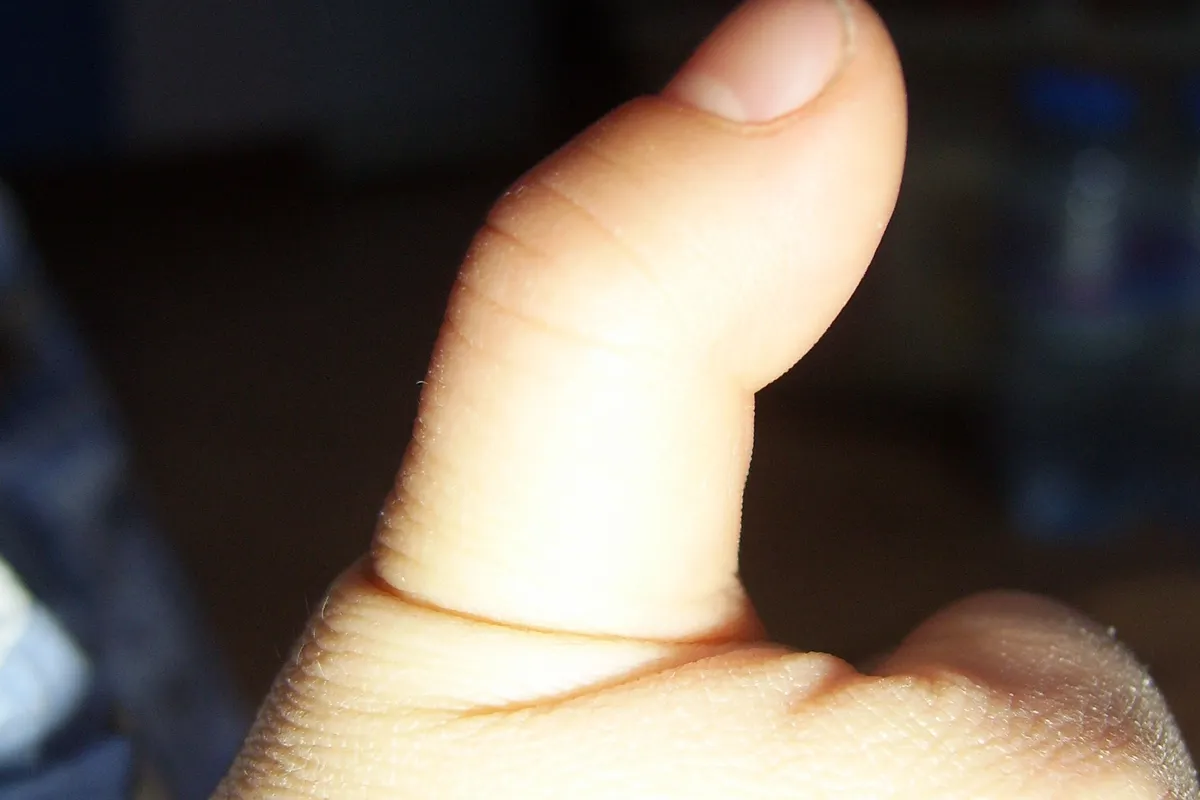
Tenosynovitis is an inflammation of the fluid-filled sheath surrounding the tendon on the inside of the wrist, caused by repetitive movements like gripping and swinging the racket. While mild cases require only a few weeks of rest, more severe forms may demand extensive physiotherapy, and in the worst-case scenarios, surgery, with recovery extending up to a year. Alcaraz has not undergone surgery, but part of his recovery has been spent completely without a racket.
Richard Krajicek, the 1996 Wimbledon champion, explained to BBC Sport why these injuries are particularly tricky. "These are much tougher injuries. It's really hard to reset when you start playing again. You have to go step by step. It's not as clear-cut as when you tear ankle ligaments, where you know recovery is three or four months and then you can play again," said Krajicek.
Andy Murray, who battled wrist injuries on both sides during his career, further elaborated on the psychological dimension of the problem: "Wrists aren't easy. When the ball is low, you really have to use your wrist to lift it up and down, or when the ball comes fast and quite high, you have to use your wrist a lot to bring it down. It's tough when you're trying to come back because the pain you feel at the first injury is mentally very hard to let go of."
Sports injury expert, identified only as Ross, warns that the biggest risk is a previous injury, once it happens, the likelihood of recurrence significantly increases. "If a player can come back within a few months and there's no recurrence, generally they'll be fine. But some things can become chronic, and the pressure of the sport to come back, earn money playing, and keep ranking points is a risk," Ross explained to BBC Sport.
He added that managing recovery is extremely complex: "The wrist doesn't have a great blood supply and doesn't heal quickly. It takes a lot of time to build strength, and regaining confidence depends on how rehabilitation progresses, you can feel incredible, then hit a setback, and it's a question of how you handle that."
Alcaraz will almost certainly miss a third consecutive Grand Slam, a pattern that modern legends have managed to avoid. Roger Federer did not miss two consecutive Grand Slams until he was 38 years old, well past his physical peak. Rafael Nadal missed two at 26, but the second was due to illness, not injury. Novak Djokovic has never missed more than one Grand Slam, and Jannik Sinner has played in every one since his debut in 2019.
Before the injury, Alcaraz was winning an average of two Grand Slam titles per year. If he continues at that pace after his return, by 2034, when he will be just 31 years old, he could reach Djokovic's record of 24 Grand Slam titles. However, the key question is whether he can return to the same level of play after such a serious wrist injury.
Ross emphasizes that injuries can also be treated as an opportunity: "Maybe you can't hit a tennis ball right now, but let's work on cardiovascular fitness, core work, and lower body, or see how to mentally relax and deal with the time off. You really have to keep the player motivated." For Alcaraz, who in the best case will arrive at the US Open with nearly five months of rust, and in the worst case won't be able to play at all, this injury is the biggest test of his career so far.