Belgium Battles Its Largest Wildfire in History
Rain has brought relief to firefighters, but the fire continues to smolder in the peat bogs of the Hautes Fagnes nature reserve, with 3,000 hectares already burned.
Rain has brought relief to firefighters, but the fire continues to smolder in the peat bogs of the Hautes Fagnes nature reserve, with 3,000 hectares already burned.
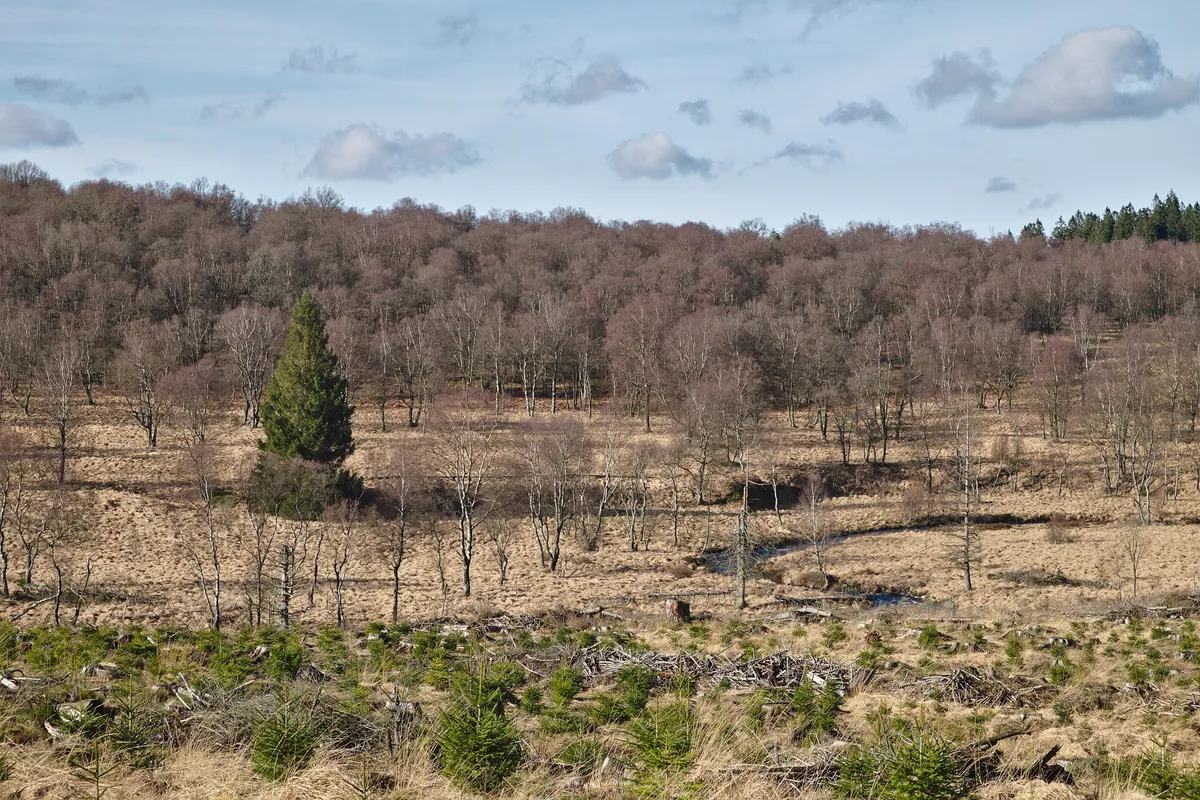
The largest wildfire ever recorded in Belgium is still not under control, although rain that fell on Tuesday, August 18, 2026, over the eastern part of the country brought much-needed relief. Around 500 firefighters from across Belgium, neighboring Germany, and Luxembourg, supported by farmers, soldiers, and aircraft from EU countries, are battling the blaze in the Hautes Fagnes nature reserve, Belgium's largest reserve in the east of the country, which has been burning since Friday.
The fire broke out after a heatwave during which thermometers in parts of Belgium reached up to 37 degrees Celsius, which is unusual for the country. The blaze threatened to reach the German border, and evacuated residents have not yet been allowed to return home. So far, 3,000 hectares have been burned, far surpassing the previous record from 2011, when nearly 1,400 hectares of land were destroyed.
"This is the largest ecological disaster in terms of wildfires in Belgium," said Nicolas Yernaux, spokesperson for the Wallonia region's administration, told Reuters. "We cannot say the fire is contained, as it keeps flaring up again," he added.
A particular challenge is that the fire has penetrated the peat bogs of the nature reserve, which are several meters deep. Peat fires can smolder underground, without visible flames, for extended periods, meaning it could be months before the fire is fully extinguished and brought under control.
This summer, wildfires have ravaged nearly all of Europe. This year, fires have claimed the lives of more than 20 people, from France and Spain to Greece, forced hundreds of thousands to flee their homes, and, according to the European Forest Fire Information System, destroyed 576,000 hectares across Europe-an area twice the size of Luxembourg. Climate change has triggered a series of heatwaves that have worsened drought and dried out vegetation.