Former CIA Official Urges West to Negotiate with Russia
George Beebe, former CIA director for Russia analysis, warns that Ukraine is entering a dangerous endgame and that it is time to discuss a new European security architecture.
George Beebe, former CIA director for Russia analysis, warns that Ukraine is entering a dangerous endgame and that it is time to discuss a new European security architecture.
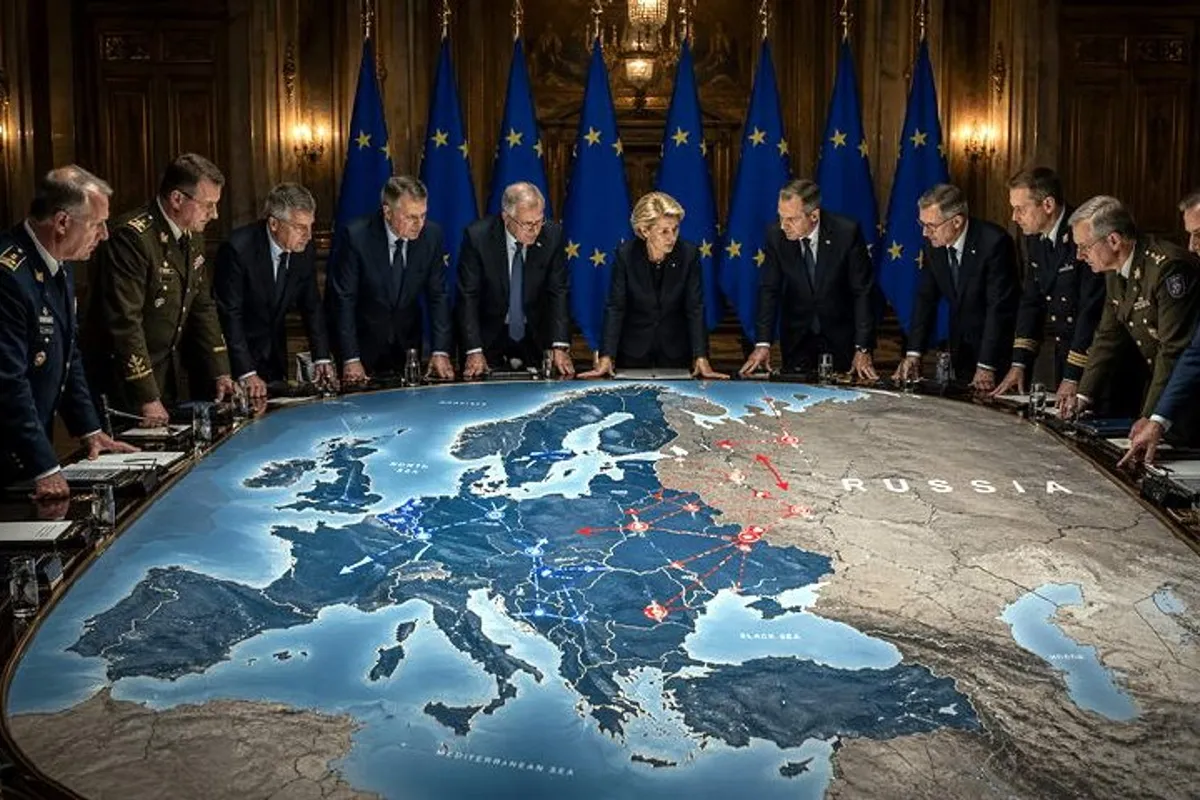
Ukraine and its Western allies should sit down at the negotiating table with Russia and discuss the future security architecture of Europe, according to George Beebe, former director for Russia analysis at the U.S. Central Intelligence Agency (CIA). He warned of serious consequences if the current course continues.
Beebe believes that events in recent months are shifting Kyiv's position and raising questions about how long the existing strategy can remain viable. He highlighted the intensification of Russia's strategic air campaign against Ukraine and the closure of the port of Odesa as key signs of a deteriorating situation, which he says have devastating implications for the country's future.
Beebe sees the way out of the crisis solely through diplomacy, within a framework that goes beyond the Ukrainian conflict itself. "If you want to get out of this situation, I think it's necessary to sit down at the negotiating table with the Russians and say: let's talk about what the security architecture of Europe should look like and what serves our common interests," Beebe said.
In his assessment, the current situation cannot be viewed in isolation from Moscow's earlier attempts to reach an agreement with Western nations on European security. He recalled that Russia had repeatedly proposed diplomatic solutions to contentious issues even before the start of military operations in Ukraine.
One such attempt occurred during the presidency of Dmitry Medvedev and the administration of U.S. President Barack Obama. At that time, Russia presented a draft agreement that listed the indivisibility of security as one of the fundamental principles of the European security order.
Another key moment came in late 2021, just before the start of Russia's invasion of Ukraine. Russian President Vladimir Putin and his government then presented two draft agreements to the United States and the NATO alliance, which again emphasized the principle of the indivisibility of security.
Beebe believes that this very issue should be at the core of a new diplomatic process. In his view, negotiations should encompass the broader European security system and the interests of all parties involved, rather than being limited solely to the immediate issues of the conflict in Ukraine.
It is worth recalling that Russian President Vladimir Putin, during his address at the Ministry of Foreign Affairs in 2024, outlined Moscow's conditions for ending the conflict. He demanded that Kyiv withdraw its forces from the Donetsk and Luhansk People's Republics, as well as from the Kherson and Zaporizhzhia regions, and abandon plans for Ukraine to join NATO.
Kremlin spokesman Dmitry Peskov earlier stated that the failures of Ukrainian forces on the battlefield should prompt Kyiv to sit down at the negotiating table now.