This week, BMW presented two key decisions to employees in Munich: a reduction of the global workforce by approximately 8,000 people and the appointment of Qualcomm as the primary supplier of computer chips for the next decade. According to Forbes Croatia, the plan was outlined on Wednesday by CEO Milan Nedeljković and works council chairman Martin Kimmich, with the voluntary departure program set to begin in October 2026 and run until the end of 2027.
The expected cuts exclusively target administrative and development functions, while production plants are not affected. Reuters reports that offers will be made to employees in Germany, where more than half of the total 154,540 people employed by the BMW Group at the end of 2025 work (approximately 155,000 according to Financije.hr). Particularly affected are centers in Munich, Regensburg, Dingolfing, and Leipzig, with the Munich Research and Innovation Center (FIZ) alone employing around 25,000 engineers and specialists.
"The rules of the industry have changed significantly," Nedeljković told employees, as quoted by The Wall Street Journal, via The Next Web.
China pulls the trigger
A 30% drop in sales in China during the second quarter of 2026 is the key reason for the slowdown. Financije.hr notes that BMW had already lowered its profit forecast for this year in June, further burdened by conflicts in the Middle East. Last year's pre-tax profit stood at €10.2 billion, but the new operating profit margin projection has been lowered to just one to three percent.
BMW is not alone. According to Forbes Croatia, Porsche (part of the Volkswagen Group) announced an additional 5,000 layoffs by 2035 this week, which, combined with the previously agreed 3,900 from February 2025 and the closure of subsidiaries, brings the total to approximately 9,000. Volkswagen CEO Oliver Blume aims to double the reduction to 100,000 jobs across the entire group, while Mercedes-Benz has already introduced its own voluntary departure program.
Qualcomm takes over the car's "brain"
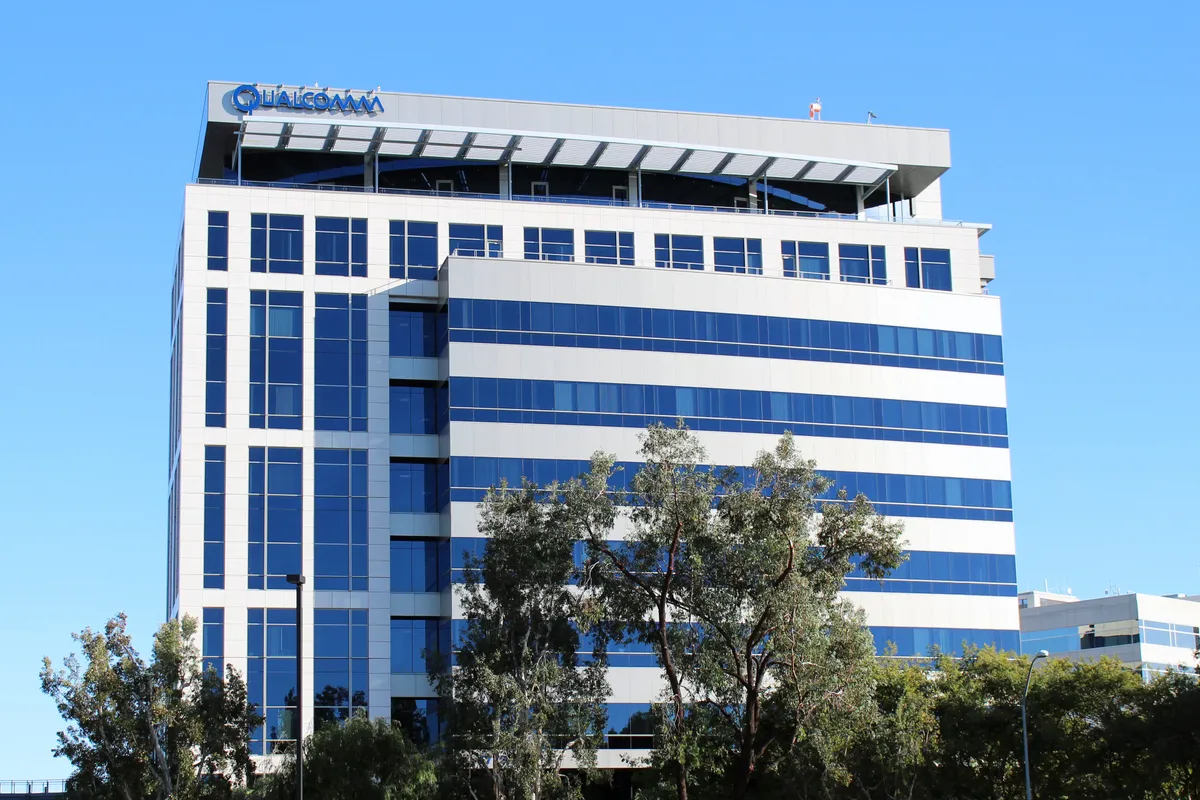
In the same week the workforce reduction was announced, BMW named Qualcomm as the lead supplier of computer chips for the next decade, reports Reuters via The Next Web. The contract covers both the digital cockpit and automated driving systems, relying on Qualcomm's Snapdragon Digital Chassis platform. It is unusual for a single supplier to take over both domains, notes Automotive World.
The collaboration builds on an existing partnership: the Snapdragon Ride Pilot already enables hands-free driving in the electric iX3, the first model of the new Neue Klasse line. "Agentic and physical artificial intelligence are driving the next generation of intelligent vehicles," said Qualcomm's automotive director Nakul Duggal to The Next Web.
This move clearly signals the direction: the value of a modern car is shifting from metal to software, and development increasingly depends on chip suppliers rather than internal engineers. BMW is precisely cutting the development department whose work increasingly relies on third-party silicon solutions.
Savings of one billion euros per year
The voluntary departure program does not include forced layoffs. Forbes Croatia states that severance packages will depend on salary and length of service, and the entire program could cost several hundred million euros. From 2028, BMW expects annual savings of approximately one billion euros.
Croatian suppliers, such as Rimac which produces battery systems for the BMW i7, are cautiously monitoring the structural changes in the German automotive industry. The decline of the Chinese market, the shift to electric vehicles, and US tariffs are simultaneously squeezing all major German manufacturers, with repercussions spreading across supply chains throughout Europe.