Krunoslav Capak, director of the Croatian Institute of Public Health, on Tuesday addressed the alarming results of analyses from the illegal hazardous waste dump in Gospić, confirming the claims from the USKOK investigation. PFAS compounds were detected in the water seeping from the waste, and soil testing revealed elevated levels of heavy metals.
"PFAS were found in the leachate near the waste, but... heavy metals were also found...", said Capak, adding that there is currently no reason for concern regarding the health of residents using Lika's water supply systems. Despite his reassurances, many questions about long-term effects remain open.
Forever chemicals and heavy metals in the soil
The expert analysis commissioned as part of the USKOK investigation showed the presence of PFAS compounds, known as "forever chemicals," in groundwater downstream from the disputed dump. Experts believe that this dump is the most likely source of these substances spreading into the aquifer. Capak noted that the detected PFAS do not belong to the most dangerous variants.
In the soil, significantly elevated concentrations of copper, lead, and antimony were recorded. Some samples showed very high values, indicating serious environmental damage in the area.
Karst terrain: where does the contaminated water go?
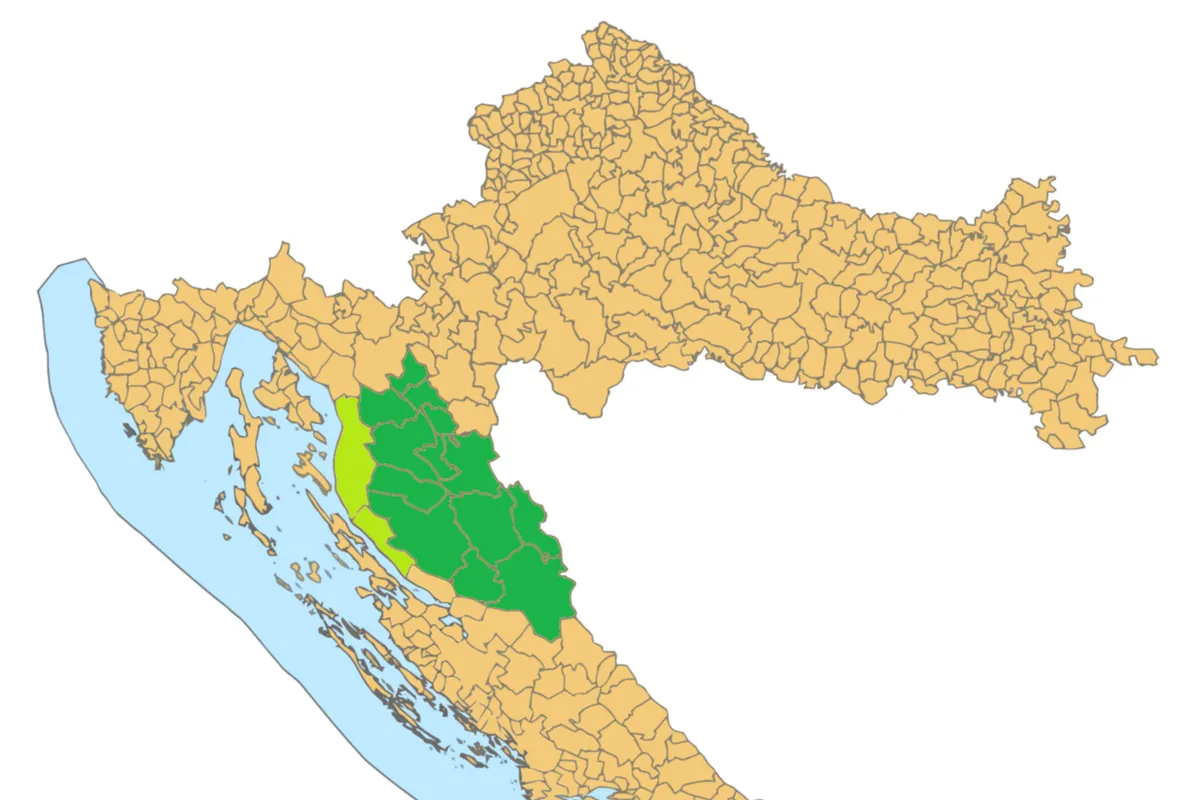
Due to the karst nature of Lika, concern is further heightened. The Lika River is a sinking river, meaning that water sinks into the underground, passes through cracks and channels, and can reappear at distant springs, rivers, or even in the sea. Scientific research has confirmed a hydrogeological connection between Lika and Gacka, and the underground systems of Velebit connect sinkholes with springs along the coast.
The question arises whether pollution from Gospić could, through underground pathways, threaten the water supply of Senj, the islands of Rab and Pag, and the settlements of Karlobag, Povljana, and Kolana. Although there is currently no evidence that water in these systems is contaminated, experts recommend additional tracer tests and continuous monitoring to prevent the potential migration of pollutants.
Political reactions: from hysteria to six meters of waste
Prime Minister Andrej Plenković reacted to the news by trying to downplay the panic: "This is opposition hysteria...", he stated. On the other hand, Orešković described the problem vividly: "If the waste from Gospić were placed on Ban Jelačić Square, it would cover the entire square and be 6 meters high."
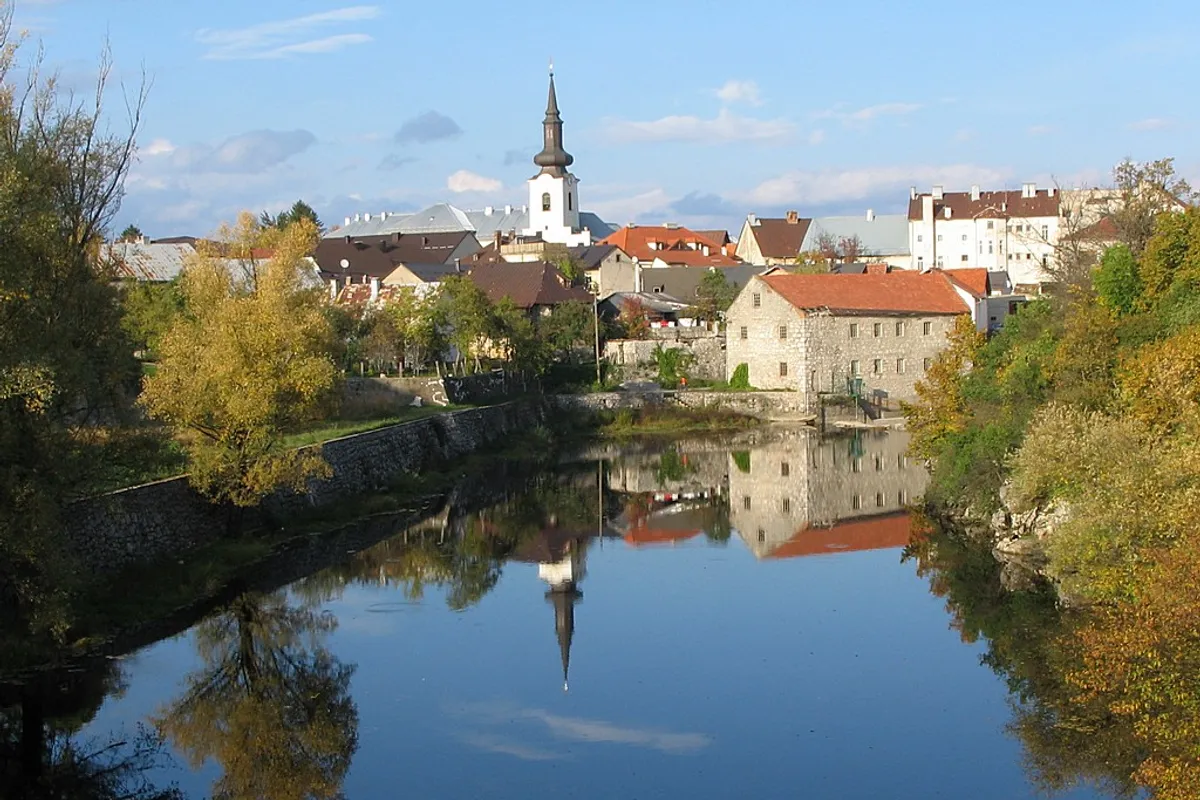
Photographs by Alen Galović for 24sata, taken in the Lika canyon about ten kilometers from the silos, show the beauty of nature that is now threatened. Lika is home to Plitvice Lakes, Northern Velebit, Zavratnica, and Barać Caves, and the question is whether this natural paradise will survive this environmental threat.
Capak announced that the Croatian Institute of Public Health will publicly release the results of analyses so far, and new samples were taken at six locations on Tuesday, with results expected on Thursday. Water monitoring is conducted through about 150 parameters, and so far there have been no deviations. Additionally, plant analyses showed that heavy metals have not entered agricultural crops, but monitoring of soil, air, water, and groundwater will continue, especially during the remediation of the dump.