CIA Sets Up Secret Task Force for Cuba
The new unit is tasked with sowing discord within Cuba's elite and pressuring authorities in Havana, while Havana says it is not surprised.
The new unit is tasked with sowing discord within Cuba's elite and pressuring authorities in Havana, while Havana says it is not surprised.
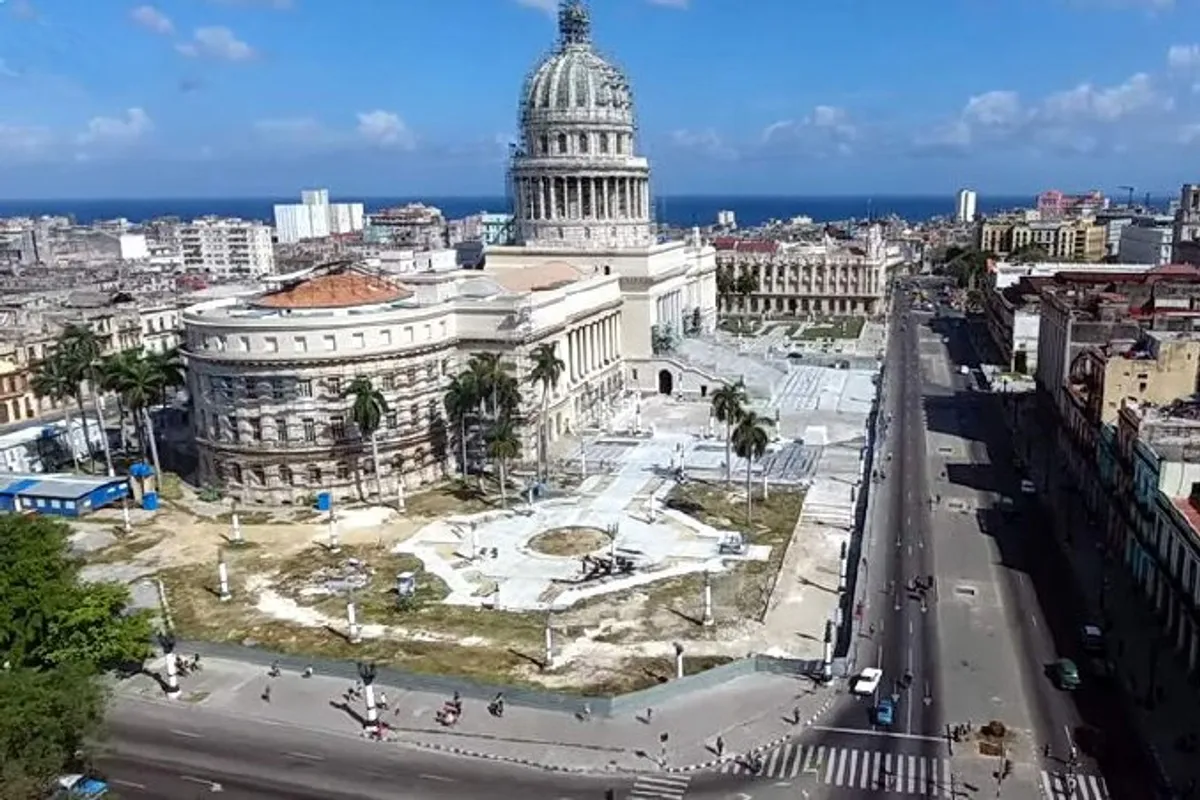
The U.S. Central Intelligence Agency (CIA) has quietly established a special operations group focused on Cuba, aimed at intensifying covert pressure on Havana and fostering divisions within the political establishment, according to The New York Times, citing its own sources. The new unit has already begun recruiting personnel for various covert activities, including cyber operations and influence operations.
The group's mission is to provoke a rift within Cuba's political elite and pressure the authorities to implement serious political changes. U.S. officials believe this could lead to the ousting of "anti-American hardliners" and their replacement with more pragmatic leadership willing to cooperate with Washington.
The New York Times notes that the CIA formed a similar group in 1960 to prepare for the Bay of Pigs invasion, which ended in failure. Unlike that operation, the new task force's mandate is significantly narrower and currently lacks authorization for lethal operations. However, the presidential authorities underpinning its work leave room for rapid changes to its mandate.
The new unit includes CIA operatives, intelligence analysts, and experts in cyber operations and covert influence operations. The strategy focuses on intelligence, financial, and informational activities, without organizing proxy armed forces.
The formation of the task force is accompanied by a broader intelligence surge directed at the island. The administration of President Donald Trump recently elevated Cuba to a top-tier priority within the U.S. National Intelligence Priorities Framework, placing it on par with China, Iran, and Russia. As a result, the National Security Agency (NSA) and the National Geospatial-Intelligence Agency (NGA) have redirected additional satellite and other intelligence capabilities toward Cuba.
The collected data is expected to inform new assessments of Cuba's military capabilities and update potential U.S. military plans. The CIA also intends to use information on the financial networks of Cuba's elite and conduct information campaigns to shape public opinion, following the model of earlier operations against Russia.
The escalation comes after the collapse of earlier attempts at intelligence cooperation initiated in 2015. CIA Director John Ratcliffe visited Havana in May 2026, where he met with Cuban official Raúl G. Rodríguez Castro. During the meeting, he conveyed an ultimatum that time for structural changes was running out, implying that Cuba could face a fate similar to Venezuela's.
Following the rapid change of government in Venezuela and the departure of President Nicolás Maduro, some U.S. officials expected a similar development could occur in Cuba. The U.S. oil embargo continues to heavily burden Cuba's economy, although previous U.S. conflicts with Iran temporarily slowed the redirection of resources toward operations against Havana.
U.S. intelligence operations in Cuba remain difficult. The CIA closed its station in Havana during Trump's first term due to cases known as "Havana Syndrome," and the embassy only reestablished an intelligence presence in 2024. Despite this, deployed officers operate under nearly constant surveillance by Cuban authorities.
The CIA declined to comment on reports of the new task force's formation. On the other hand, Cuban authorities said they were not surprised by Washington's intentions.
"The intentions here are not a surprise, since Cuba has long been a target of CIA efforts in espionage, subversion, and destabilization, including terrorism," said Carlos Fernández de Cossío, Cuba's Deputy Minister of Foreign Affairs. He added: "And yet the State Department has the audacity to call Cuba a threat because it exercises its right to legitimate self-defense."