CIA Doubted Iranian Threat to Trump
US media report low CIA confidence in Israeli intelligence on alleged Iranian assassination plot against President Trump in Turkey, as NATO addresses drone incidents on the eastern flank.
US media report low CIA confidence in Israeli intelligence on alleged Iranian assassination plot against President Trump in Turkey, as NATO addresses drone incidents on the eastern flank.
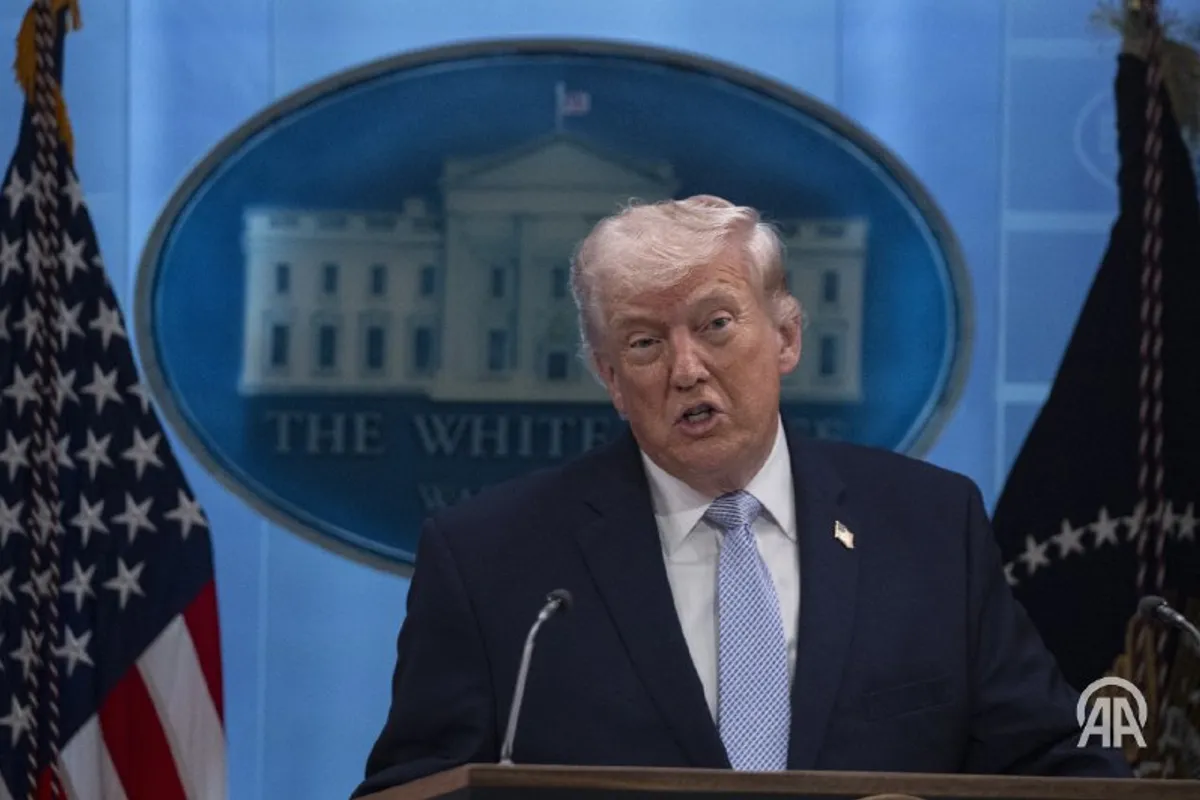
The US Central Intelligence Agency (CIA) had "low confidence" in intelligence regarding an alleged Iranian plot to assassinate US President Donald Trump in Turkey, according to a Washington Post report cited by Anadolu Agency. The information was reportedly provided by Israel's Mossad, not the US intelligence community.
CIA analysts did not find the intelligence credible and conveyed their skepticism to Trump administration officials.
Italian newspaper La Repubblica, in an article published on August 13, 2026, provides background on this story, describing it as a spy tale from the NATO summit in Ankara. The article's author, Gianni Riotta, writes about the details of the president's exfiltration.
Sources do not specify the exact date of the Ankara summit, but the article was published on August 13, 2026.
Meanwhile, NATO allies met on August 12, 2026, in the North Atlantic Council to discuss recent drone incidents and airspace violations in Poland and Romania. They expressed support for the affected allies and reiterated that Russia bears full responsibility for the violations, NATO announced on its official Twitter profile.
On the same day, Portuguese F-16 fighter jets completed their air policing mission in Estonia. The mission was part of NATO's enhanced vigilance activity called Eastern Sentry, aimed at securing the Baltic skies and contributing to the security of the Baltic region.
For Croatian readers, the most important aspect of these events is the security situation within the NATO alliance. Drone incidents in Poland and Romania, as well as doubts about the credibility of intelligence on the Iranian threat to the US president, affect the stability of the alliance and trust among members.