Nature Warden on Velebit Captures Horned Viper Mid-Meal
Adam Rukavina recorded a rare sight in Northern Velebit National Park: a horned viper feeding on a bird, most likely a tit, a scene rarely witnessed live.
Adam Rukavina recorded a rare sight in Northern Velebit National Park: a horned viper feeding on a bird, most likely a tit, a scene rarely witnessed live.
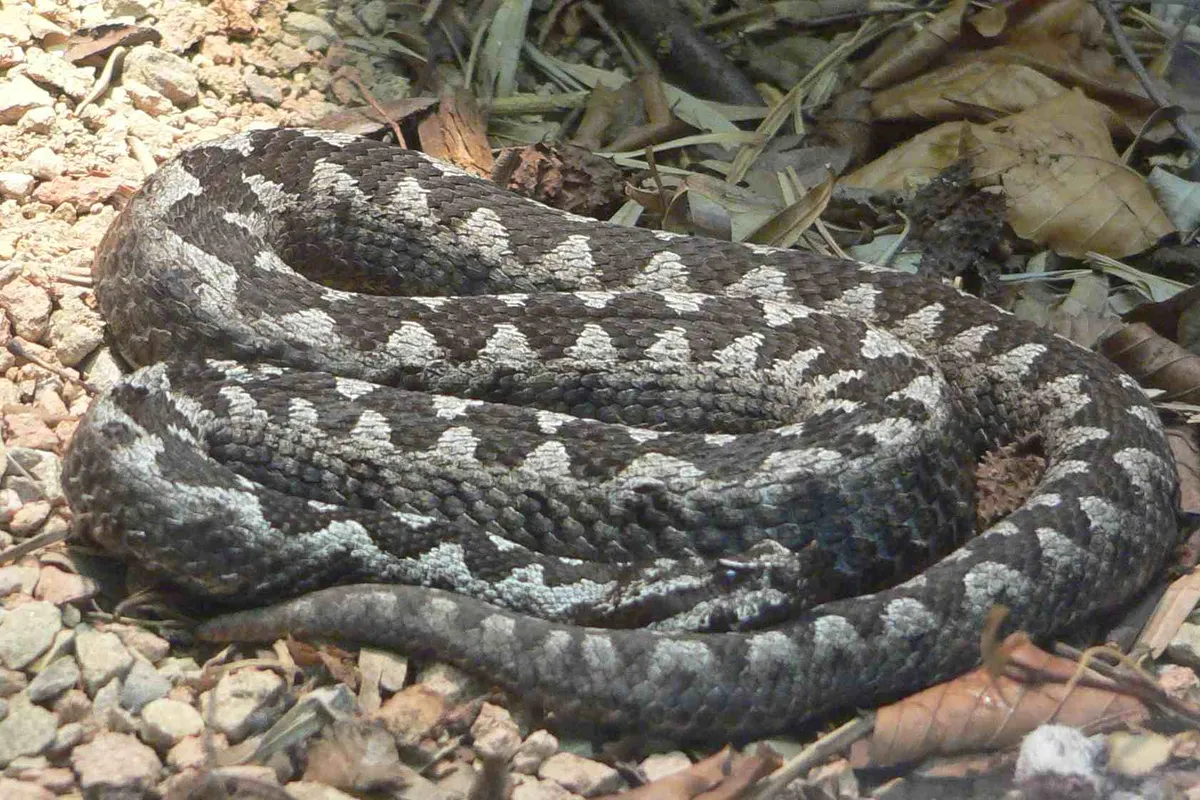
Nature warden Adam Rukavina captured a horned viper (Vipera ammodytes) in North Velebit National Park as it fed on a bird, most likely a tit. The footage was released on Wednesday, August 19, 2026, and the park authorities noted that such scenes rarely make it onto camera. Visitors to the park are accustomed to untouched beauty, tranquil pastures, and idyllic views from mountain peaks, but this time the camera caught raw wilderness.
In the video description from North Velebit National Park, they emphasize that nature sometimes shows its rawer side, not just idyll and gentleness but true scenes from the wild. The footage was taken deep in the heart of the Park and posted on the official North Velebit National Park pages.
"Another fascinating video has come in from the field! Nature sometimes shows a face that isn't always gentle and tame. This interesting scene in North Velebit National Park was captured by our nature warden Adam Rukavina: a horned viper caught in the act of feeding, seemingly on a tit. Horned vipers are predators and an important part of the natural ecosystem, and their diet includes various animals, most commonly small mammals, lizards, and birds. Although it is one of our most venomous snakes, the horned viper generally avoids humans and is not aggressive unless it feels threatened. Take a look at a scene from the wild that you rarely get to see live-nature without filters, just as it is," states North Velebit National Park in the video description.
The footage shows the horned viper feeding under a rock near some bushes.
The horned viper is considered the most dangerous and venomous snake in Croatia. However, it typically avoids people and only bites when it thinks it's in danger. Its diet includes small mammals, lizards, and birds, and unlike other snakes, it can climb into shrubs and low trees, whether hunting or basking in the sun.
Croatia is home to 16 species of snakes, of which only three are venomous: the horned viper, the adder (Vipera berus), and the meadow viper (Vipera ursinii macrops), which is an endemic species. Other species, such as the smooth snake, grass snake, dice snake, and Aesculapian snake, are non-venomous.
All snakes in Croatia are protected by law, meaning they must not be disturbed, injured, or removed from the wild. Venomous bites in Croatia are not common, and fatalities are very rare.
Experts still advise basic caution. It is recommended to wear closed-toe shoes and long trousers and to stick to maintained trails. Walk with a bit of noise because snakes detect vibrations and usually move away on their own.
When autumn arrives and temperatures drop, horned vipers often bask on branches, so be careful when passing near vegetation. If you see a snake, the best thing to do is simply avoid it. Do not touch it, try to catch it, or kill it; instead, give it space to move away.