Dehydration in Dogs and Cats
Veterinarians warn that senior pets, puppies, and kittens are especially vulnerable during summer heat. Here's how to spot the problem early and what to do right away.
Veterinarians warn that senior pets, puppies, and kittens are especially vulnerable during summer heat. Here's how to spot the problem early and what to do right away.
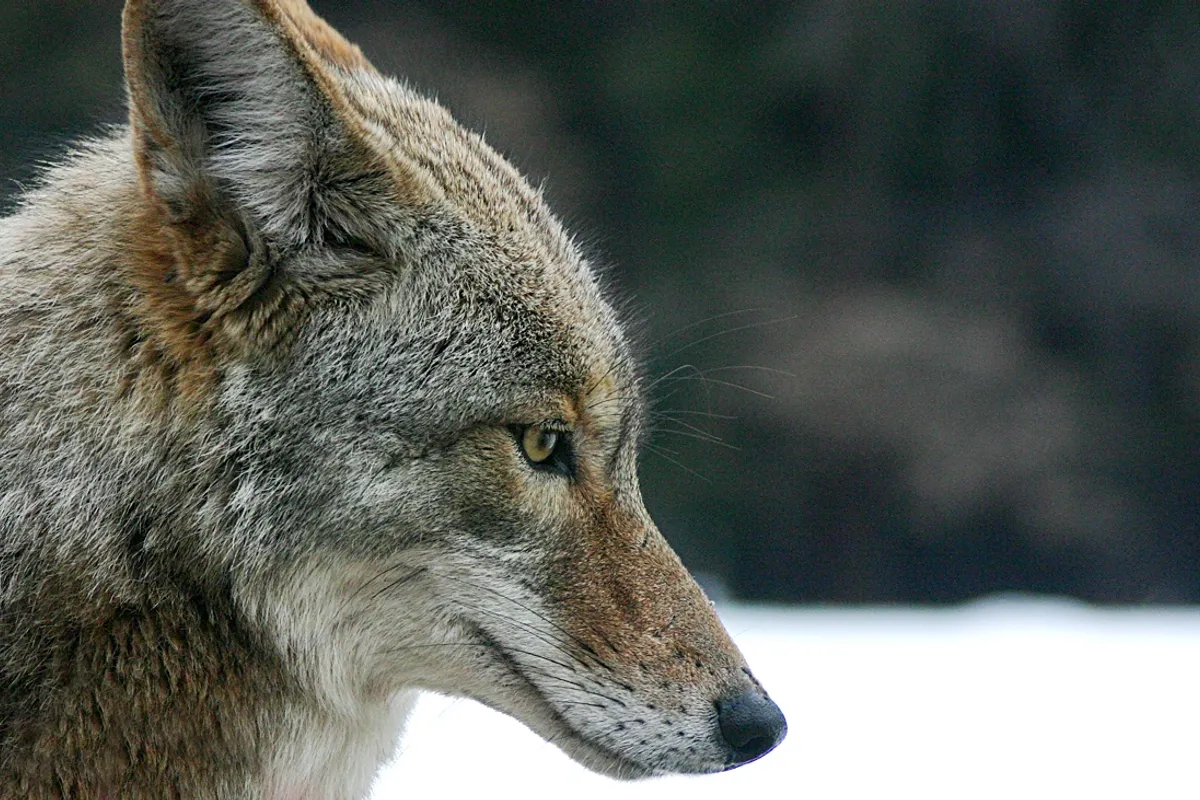
Dehydration is one of the most common health issues in dogs and cats during hot summer days. If not recognized early, it can lead to serious consequences. The main challenge is that pets often don't show obvious signs of fluid loss right away, so owners need to pay attention to subtle changes in their behavior.
The first indicators are usually fatigue and reduced activity levels. A dog or cat may appear lethargic, sleep more than usual, and avoid play or walks. Another common sign is dry or sticky gums, which should be moist in a healthy pet.
You can also perform a simple test at home. Gently lift the skin on the neck or between the shoulder blades. If the skin doesn't return to its original position quickly, it may indicate dehydration. Also, watch for sunken eyes, rapid breathing, and decreased urination.
In cats, dehydration can be harder to notice because they often hide symptoms of illness. Any sudden change in behavior therefore deserves special attention from the owner.
Immediately offer your pet fresh, cool water, but don't force them to drink a large amount at once. Move them to a shaded or air-conditioned area and avoid physical exertion until they recover.
If the animal is vomiting, refuses to drink, has difficulty breathing, or appears extremely tired, veterinary help is urgently needed. In cases of more severe dehydration, fluid replacement via IV is often necessary.
A bowl of fresh water should be available throughout the day. During walks, it's advisable to carry a portable bottle or bowl with water. Dog walks are best done early in the morning or late in the evening when temperatures are lower, and cats should be provided with cool, well-ventilated resting spots.
Veterinarians particularly emphasize that senior pets, puppies, kittens, and animals exposed to the sun or active during high heat are more susceptible. During summer heat, a few simple habits can make a big difference. Monitoring your pet's behavior and reacting quickly are the best ways to prevent dehydration from developing into a serious health problem.