Dermatologists at Žnjan: Skin Exams Reveal Suspicious Lesions
Free preventive skin screenings in Split drew large crowds. Doctors referred some patients for surgical excision and digital dermoscopy, urging daily sun protection.
Free preventive skin screenings in Split drew large crowds. Doctors referred some patients for surgical excision and digital dermoscopy, urging daily sun protection.
High temperatures and strong sun didn't stop Split residents from taking advantage of the opportunity to care for their health this weekend. Free preventive skin screenings were held at the city's Žnjan beach as part of dm's "Protect yourself... and enjoy the sun" initiative. Citizens could, without prior appointment, have their moles and other skin changes checked using digital dermoscopy and receive advice on proper sun protection.
The screenings were conducted by Dr. Dora Madiraca Glasović, Dr. sc. Maja Pavić, Dr. sc. Ana Sanader Vučemilović, and Doc. Dr. sc. Dubravka Vuković Starić. They were available to anyone wishing to check the condition of their skin and detect potentially dangerous changes in time.
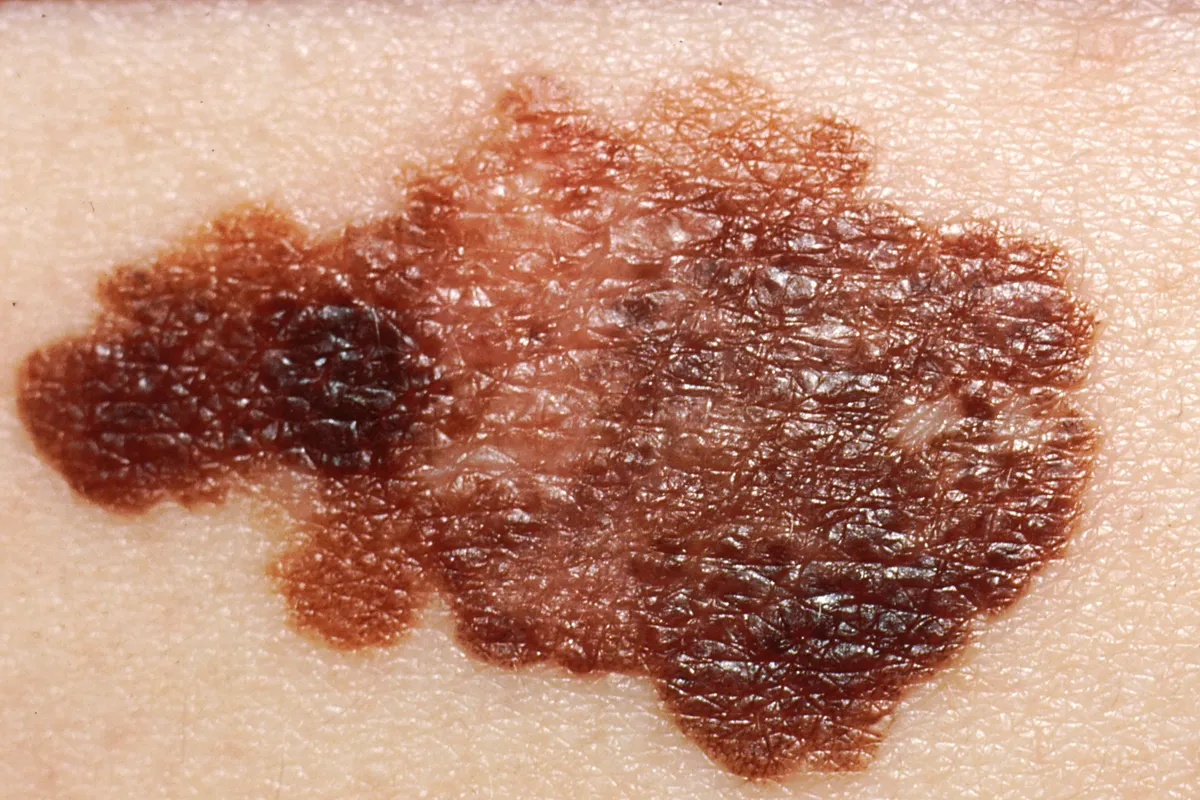
Dermatologists warn that melanoma is one of the most dangerous forms of skin cancer, and early detection plays a crucial role in treatment success. People with fair skin, those with a higher number of moles, a family history of skin tumors, and those whose skin has been frequently and intensely exposed to UV radiation are at greater risk.
"Supporting this is the data on how common melanoma is. It ranks about sixth in the Republic of Croatia. So, we have a high incidence of skin tumors in general, and especially melanoma. A preventive skin exam is recommended for everyone once a year, and for some special groups even more often," explained Doc. Dr. sc. Dubravka Vuković Starić for Slobodna Dalmacija. She particularly appealed to parents to educate their children, as they are also a vulnerable group, adding that the exam is simple and takes about ten minutes.
Dr. Dora Madiraca Glasović emphasized that the number of people coming for preventive screenings grows year after year, showing greater awareness among citizens. "At the preventive mole screenings, which we've been conducting as part of dm's campaign for 14 years, an increasing number of people come each year. This shows that citizens are becoming more aware that skin tumors are something that can be prevented. If melanoma is detected early, it is curable in 99 percent of cases," she said.
Regarding daily protection, Dr. Madiraca Glasović highlighted several key rules. "Photoprotection is important, meaning applying SPF 50 sunscreen, even when it's cloudy, 365 days a year. It's also important to avoid sun exposure when the UV index is highest, between 10 a.m. and 5 p.m. In addition to creams, it's recommended to use photoprotective clothing, sunglasses, and hats," she advised.
Dr. sc. Ana Sanader Vučemilović revealed that suspicious skin changes were observed during the screenings. "It's important to regularly monitor moles because even those that seem harmless to the general population can be dangerous. Today, there were patients with suspicious changes, and we referred them for surgical excision. Also, some were referred for digital dermoscopy," she said. She explained that this involves a special device that photo-documents all moles, which is very useful for monitoring individuals with a large number of moles.
In addition to regular check-ups, Dr. Sanader Vučemilović stressed the importance of self-examination. "It's important to monitor changes in the skin; we can also photo-document certain areas, and if we notice something suspicious, we should immediately see a dermatologist. Additionally, regular annual check-ups are recommended," she concluded.
Among those who decided to check their skin this weekend was Split resident Anđela Žižak. "I came for the exam by chance today, but I'm definitely interested because I have a lot of moles, and we hear more and more about melanoma cases. I also have a close friend who got melanoma at 25. Last year, I also had a mole removed, so I think that in Split, we are still not sufficiently aware when it comes to prevention. I'm the first to admit that for myself. People, check your skin and take care of it because this is no joke," Anđela said.
Danijela Pehar believes that such events are an excellent opportunity for anyone with even the slightest doubt. "Doctors quickly assess the situation and guide you on what to do next if needed," she said. Krešimir Bašić, who came for the exam by chance, praised the simplicity and accessibility of the campaign. "Kudos to dm for organizing this because everything is very simple and easily accessible. No appointments or long waits; you just come and get checked. Otherwise, people always postpone things and think they'll get to it later, so this makes it much easier to do what you might have been putting off for a while," he stated.
Incidentally, dm has been conducting this public health initiative since 2011, and over the past 14 years, more than 22,000 citizens across Croatia have been screened.