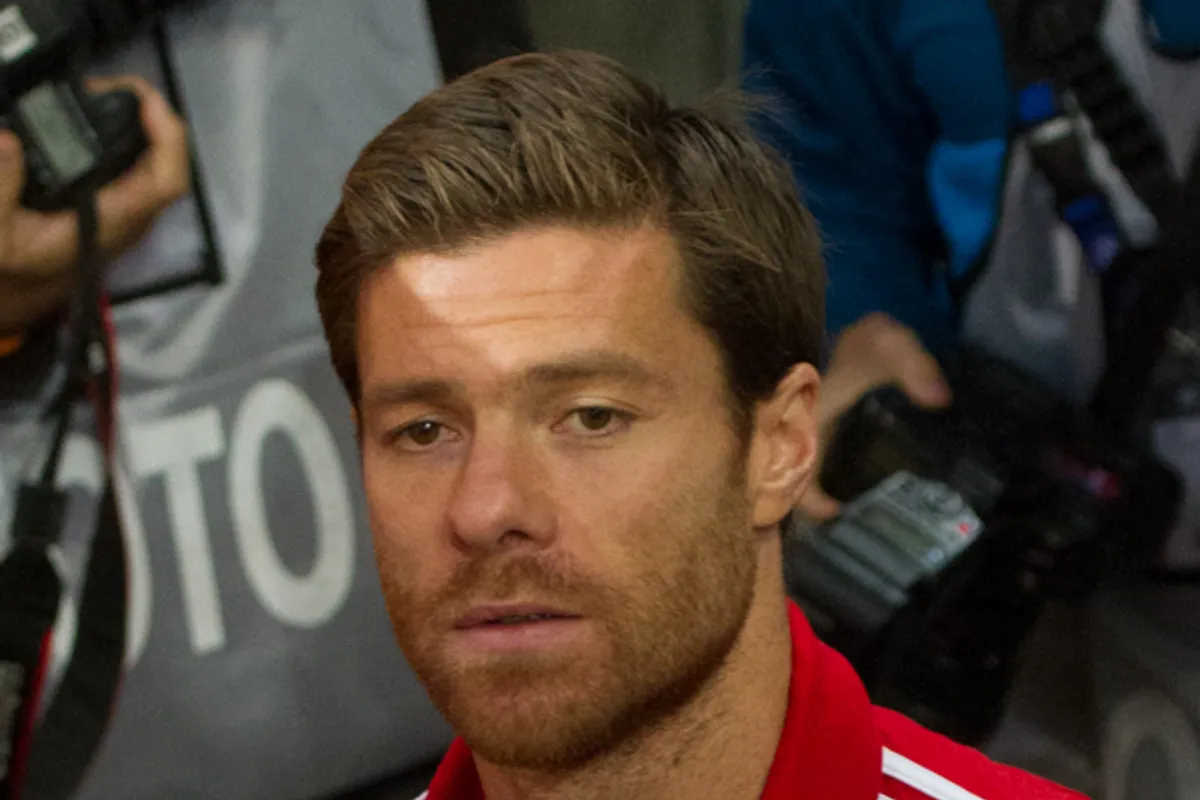
At a time when Dinamo is actively searching for a solution at the defensive midfield position-a player who could relieve Josip Mišić-a story is unfolding at Rujevica that will make many at Maksimir think twice. Branko Pavić, the 19-year-old midfielder whom Dinamo let go to Rijeka just seven months ago, is gaining an increasingly important role in Matjaž Kek's squad with each passing match.
This story naturally raises the question: did Dinamo give up on their own talent too early, or is this simply a logical turn of events where all parties made the best possible decision at the time?
Buisine's Finger and Turbulent Months
Pavić did not go unnoticed at Maksimir. Quite the contrary. Former director of football Marko Marić brought in Jean-Luc Buisine, the former sporting director of Lille, Monaco, Rennes, and Saint-Étienne-a man who played a role in the development of players like Eden Hazard, Kylian Mbappé, and Ousmane Dembélé-to assess the young prospects. After a few days of observation, the Frenchman had no doubts.
"That one. That's the player."
Although the club expected him to point out a more attacking player with higher market value, Buisine pointed directly to the "six" who doesn't shine with flashy moves but with an understanding of space and rhythm.
Marić and Velimir Zajec accepted the recommendation, and Pavić became a project. Sergej Jakirović gave him his debut, and Nenad Bjelica gave him minutes in the Champions League against Borussia Dortmund. But just as the path to the first team was supposed to become natural, Dinamo was going through one of its most turbulent periods. Coaches changed, and Pavić's knee "gave out." In the development of a young player, it's hard to imagine worse timing.
Why the Transfer Made Sense for Both Sides
After the injury and a loan to Dubrava, instead of returning to the senior squad, Pavić moved to Rijeka in the winter of 2026. Sources close to those who evaluate players at Maksimir explain that the assessment was not related to a lack of talent.
"It's not that Branko isn't a good player. He absolutely is, but the assessment of the coach, sporting director, and the entire sports sector was that at that moment he wasn't good enough for Dinamo."
The key difference lies in the demands of the position.
"It's not the same to play the 'six' at Dinamo as it is at Rijeka. In our system, that player often stays alone in a large space and has to cover an enormous area of the pitch. Rijeka plays differently, with two central midfielders and two full-backs who do a lot of defensive work, so his role is set up differently."
At Dinamo, therefore, they considered it logical to let the young player go somewhere where he would get space and minutes.
Incorrect Figures and Protective Mechanisms
Although information appeared publicly that Rijeka got Pavić practically for free with 20 percent of a future transfer, unofficial sources on both sides reveal a different story. According to this version, Rijeka paid a certain compensation, reportedly several hundred thousand euros, and the percentage from the next sale is much higher than 20 percent. Moreover, there is also a clearly defined possibility of his return. The publicly mentioned figure of 1.6 million euros until the winter of 2028 is not fixed but variable, depending on the eventual "window" in which Dinamo might want to bring the kid back.
"If it turns out he has reached the level needed for Dinamo, the 'mistake' will gladly be paid for."
From the 26th Player to Kek's Favorite
Even at Rijeka, the start wasn't easy.
"Victor Sánchez didn't even know him. At first, he wasn't in the spotlight; in training, he sometimes even played as a center-back as practically the 26th player, so he was deep in the rotation. But there, they talked about him, about his qualities, but they also knew his character. He had no problem going to Dubrava just to play. That says enough about the way he thinks."
Anel Husić's injury and Dejan Petrovič's soon-to-expire contract opened the door for him, and Pavić grabbed it with both hands. After 11 matches, Matjaž Kek is more than satisfied.
"Kek is very pleased with him. He says he still needs to 'fine-tune' him, that he sometimes pulls too much forward, but he sees a player who gives the team balance. He's not flashy, but it's exactly such players that often mean the most to coaches."
In the end, this could be one of those rare situations where almost no one lost. Dinamo assessed that they couldn't offer Pavić the necessary space, Rijeka got a player around whom they can build a team, and Pavić himself got the opportunity to develop under a coach who values him. Dinamo, meanwhile, left the door open for his return, and if that doesn't happen, they'll profit from the transfer.