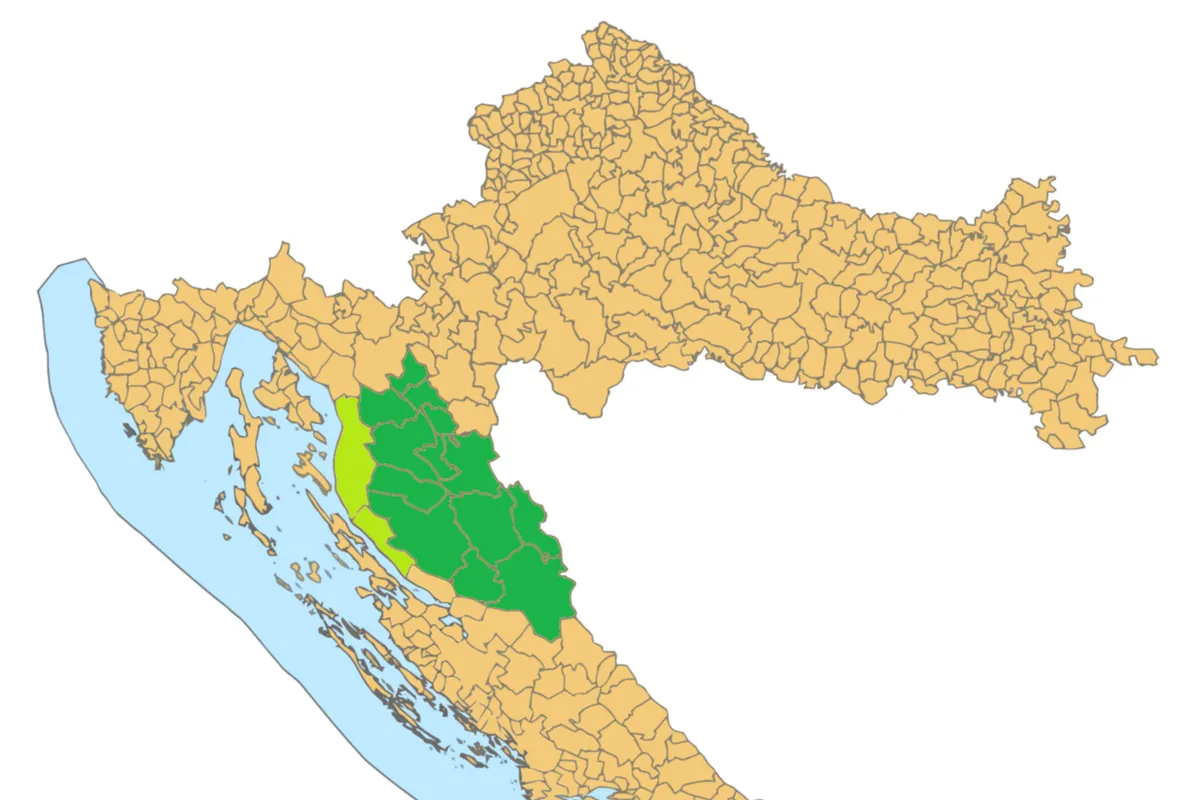
The Homeland and National Gathering party (DOMiNO) issued a sharp statement on Tuesday, August 11, 2026, demanding a full investigation into the illegal dumping of waste in the Gospić and Benkovac areas. At the center of their criticism are not only the perpetrators but also a system that, as they claim, ignored warnings for years and allowed tens of thousands of tons of waste to end up buried underground.
The party poses a key question that sums up their assessment of the failures: "Who set the fox to guard the henhouse?"
Biloglav Warned as Early as March 2025
DOMiNO points out that their MP, Dr. Damir Biloglav, warned the Croatian Parliament as early as March 2025 about the improper disposal of hazardous waste in Gospić and Benkovac. At the time, he called for the entire chain of command to be identified and warned of the possibility of a joint criminal enterprise against the environment.
"Warnings existed, so today we are not interested in who is surprised, but who knew and why they did not react," DOMiNO said, stressing that responsibility must not stop at a few people at the bottom of the chain.
From Permits to Inspections: Who Failed?
The party questions the state administration reform carried out under the government of Andrej Plenković, which transferred numerous responsibilities to counties. The question they raise is whether accountability came down with these powers, or just the right to make decisions without adequate expertise.
They see a particular problem in the combination of decentralized decision-making and centralized inspection oversight within the State Inspectorate. They believe that such a system, without independent control mechanisms, creates space where a single failure can block the entire oversight process.
Specifically, they demand that it be determined who prepared and signed the permits, who conducted the field inspections, and on what basis. "A permit does not fall from the sky. Behind it are a name, a surname, a signature, and responsibility," the statement reads.
Financial Trail and Hidden Costs
DOMiNO also insists on following the money. Dr. Biloglav, drawing on his experience as a physician, notes that the proper collection of up to two kilograms of infectious waste costs around 80 euros per month. Meanwhile, the Zadar hospital saved around 100,000 euros annually by purchasing its own equipment.
"Waste is not just an environmental problem; waste is big business and big money," they emphasize, demanding that it be determined whether someone charged a high price for proper disposal and then passed the waste on more cheaply until it ended up underground.
Mafia Ties and the Croatian Link
DOMiNO dismisses the story that 35,000 tons of waste slipped "under the radar" as implausible, given the volume of documentation, contracts, trucks, and inspections that accompany the handling of hazardous waste. Dr. Biloglav has previously said what many, as they claim, avoid saying: "Neither the Italian nor any other mafia could organize such an operation without the help of our mafia."
The party also recalls the Drava International case, noting that after every environmental disaster, promises are made that lessons have been learned, only for everyone to feign surprise at the next one.
Demographic Devastation as Cover for Crime
They find it particularly damning that all this is happening in the demographically devastated Lika region. The long-standing obstruction of the return of Croatian emigrants and the lack of serious revitalization of the area, according to DOMiNO, are not just a demographic problem, empty space becomes a place where it is easier to hide crime.
Accountability at the Top
The DOMiNO presidency demands a full reconstruction of the Gospić and Benkovac case and accountability from the responsible minister, but it does not accept that political responsibility should stop there. They demand an answer from Prime Minister Andrej Plenković as to how the system his governments have managed for years allowed such an outcome.
The demand is clear: investigate the entire chain, from the top of the system to the excavator operators, from Plenković and the responsible ministers through county structures and the State Inspectorate to private companies and intermediaries. "Not to prejudge anyone, but so that everyone answers for what they did, knew, or failed to do," DOMiNO concludes.