He Came from Albania to the Adriatic, Then Was Left Shocked
A Norwegian of Croatian descent on holiday on the Makarska Riviera couldn't believe how high the prices were, while analysts warn of the loss of competitiveness of Croatian tourism.
A Norwegian of Croatian descent on holiday on the Makarska Riviera couldn't believe how high the prices were, while analysts warn of the loss of competitiveness of Croatian tourism.
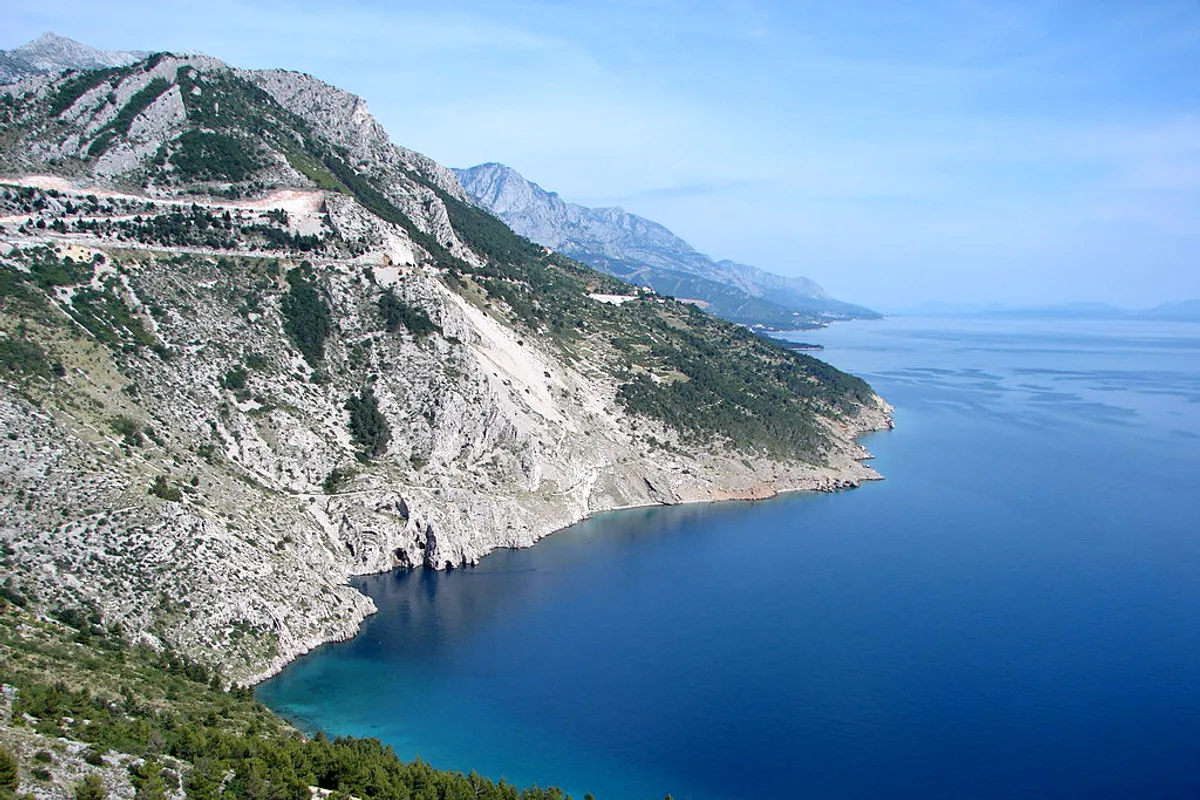
As Croatia finds itself at the peak of yet another tourist season, the question of whether prices have gone too far is being asked more and more frequently. One Norwegian of Croatian descent, who arrived on the Adriatic coast from Albania for his holiday, was left in disbelief after visiting local shops. "I thought people were exaggerating", he commented for Dnevno.hr, surprised by the price levels on the Makarska Riviera.
His experience comes at a time when there is growing talk about the sustainability of Croatia's tourism model. The average monthly net salary in Croatia in May 2026 was 1,552 euros, while in Norway it was around 4,500 euros after taxes. Despite earning three times more, even a guest from one of Europe's wealthiest countries was not immune to sticker shock.
In the new episode of the Felix Contras podcast, released on August 4, 2026, political analyst Pavle Kalinić discussed rising prices and the future of Croatian tourism. The conversation centered on increasingly expensive tourist services, from everyday expenses like a 6-euro ice cream to the operations of hotels and private accommodation.
Kalinić analyzed what lies behind the price increases and what consequences they have on the competitiveness of Croatian tourism and the lives of citizens. He particularly focused on the position of small rental owners, the import dependence of the tourism sector, and the state of domestic agriculture, raising a key question: how much does Croatia actually produce today, and how much does it rely on imports of food and goods?
The show also touched on the protection of the Adriatic, the problems of the maritime economy, and the traffic bottlenecks that choke coastal towns every season. The organization of emergency medical services and rescue systems on the coast was also analyzed, as well as the development of Zagreb and transport infrastructure.
The central question Kalinić posed is: what will Croatia live on in the future if industry and agriculture weaken simultaneously, and tourism loses competitiveness under the pressure of high prices and rising costs? The experience of the Norwegian guest on the Makarska Riviera suggests that the answer to this question is becoming increasingly urgent.