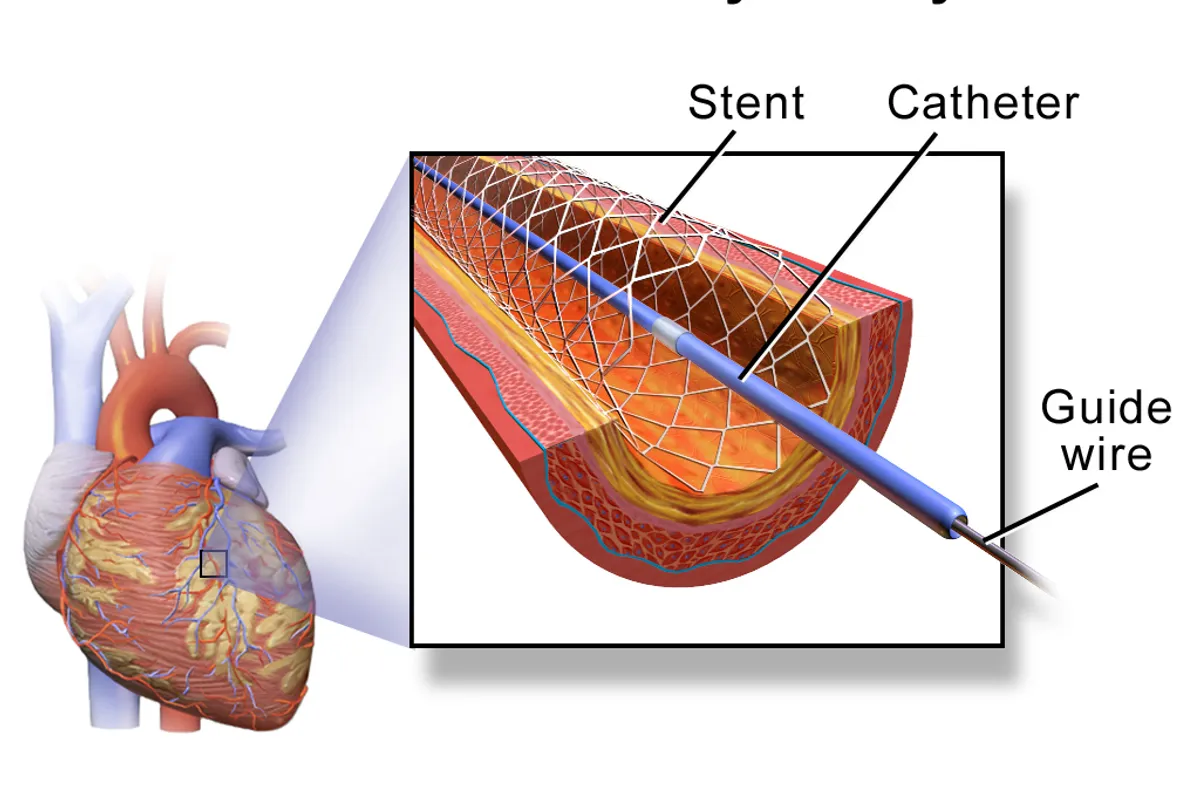
Dubrovnik General Hospital has achieved a historic breakthrough in the treatment of heart disease. For the first time at this institution, a coronary sinus reducer was implanted-a special type of stent designed for patients suffering from refractory angina pectoris. According to Dubrovnik Insider, the procedure was successfully performed, and the patient's condition was significantly alleviated.
Experienced Team with Mentorship from Zagreb
The procedure was performed by cardiologists Dr. Dino Džamastagić, Dr. Pero Markunović, and Prof. Dr. Sc. Josip Lukenda. Supervision was provided by Prof. Dr. Sc. Joško Bulum, head of interventional cardiology at KBC Zagreb and a recognized expert in the field. As the source notes, this collaboration was crucial for safely mastering the demanding technique.
How Does the Device Work?
Unlike classic stents placed in arteries to widen a narrowed blood path, the coronary sinus reducer is implanted into the heart's venous system, specifically into the coronary sinus-the large vein that drains blood from the heart muscle. The hourglass-shaped device narrows this passage, alters pressure and blood distribution, and redirects blood flow to the less perfused, ischemic areas of the heart.
This method is intended for those for whom standard options, such as medications, angioplasty, or bypass surgery, have been exhausted or are not feasible. In such patients, frequent and intense chest pain severely impairs quality of life.
What It Offers Patients
Experience from global literature and clinical practice shows that reducer implantation reduces the frequency and severity of anginal symptoms in a large number of patients. Patients often also report better physical endurance and an overall higher quality of life. The procedure is performed minimally invasively via catheter, similar to coronary angiography, meaning faster recovery and lower risk compared to surgical methods.
Dubrovnik Cardiology on Par with Modern Centers
This success represents a significant step forward for the Cardiology Department at Dubrovnik General Hospital. Patients with the most severe forms of coronary artery disease now have access to an option previously reserved for larger referral cardiology centers. It has also been announced that such procedures will continue to be performed at the Dubrovnik hospital for all patients for whom other therapeutic options are insufficient.