Danube at Minus 140: Batina Witnesses a Drought Like No One Remembers
Wells and the Karašica River Have Run Dry, Residents Scramble for Every Drop of Water for Their Gardens as Record-Low Water Levels Change Life Along the River.
Wells and the Karašica River Have Run Dry, Residents Scramble for Every Drop of Water for Their Gardens as Record-Low Water Levels Change Life Along the River.
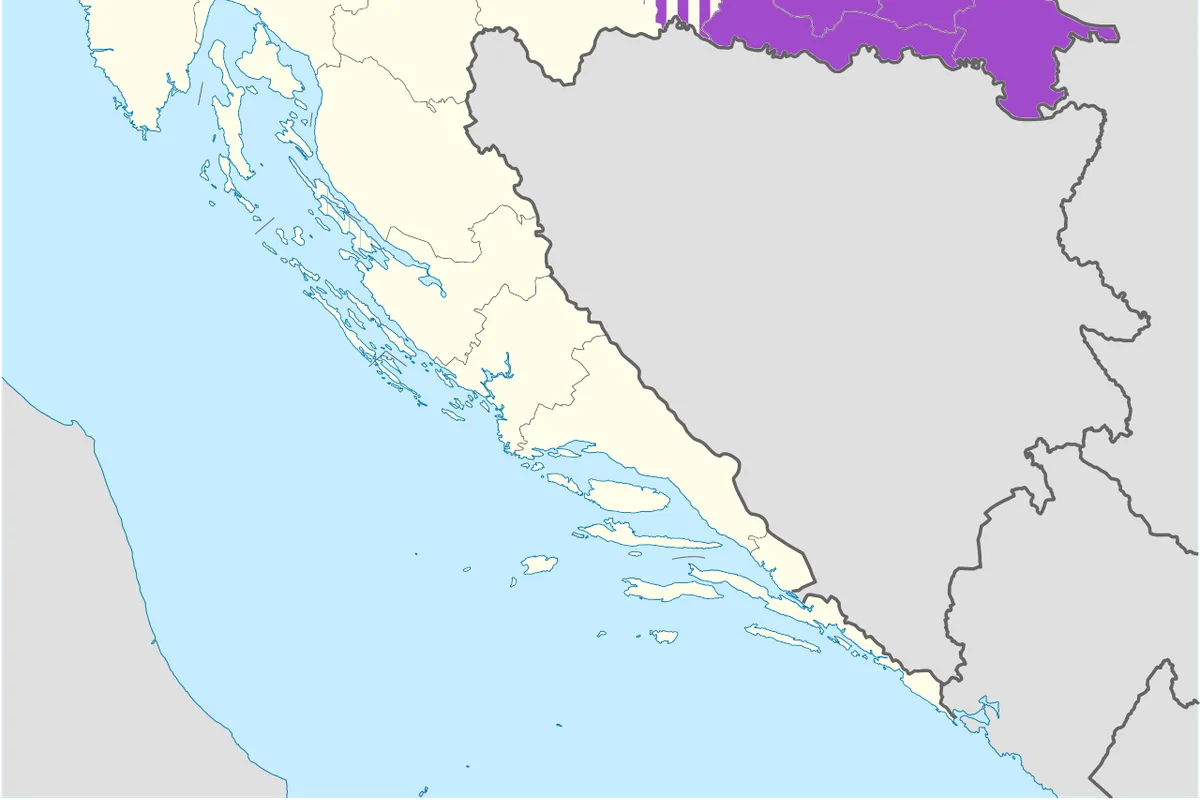
The extreme drought that has hit eastern Croatia has left Batina with scenes that the oldest residents cannot recall. The Danube has fallen to a historic low of minus 140 centimeters, the Karašica River has completely dried up, and numerous wells in the settlement have run dry. Although households are connected to the public water supply, the shortage of well water is seriously threatening agriculture and the daily watering of gardens.
Local Đuro Molnar is one of the few who still has some water in his well, thanks to a hillside spring they struck while digging. "I have 40, 50 centimeters because when we dug, we hit some rock and found a hillside spring. The Danube's water level affects me. As the Danube rises, so does the water in the well," Molnar told HRT.
His neighbors with shallower wells are not so lucky. Many have been left completely without water, and the situation is further illustrated by the fate of the nearby Karašica. "The Karašica has never been this dry; it always flowed, but now it's gone, there's no water," Molnar testifies. Ivan Francuz adds: "Never, never in my life has there been such a drought and such low water." Ivan Domjanović points out that the situation is unprecedented: "Something like this is unheard of. Both the watercourse and the state of the Danube have changed."
The mayor of Draž Municipality, Valentina Avdičević, explained why some wells are empty and others are not. "This extremely low Danube water level has caused wells that draw from the surface layer to dry up. However, we still have wells in the settlement that are full of water," said Mayor Avdičević. The key, therefore, is the depth and type of source feeding the well.
Residents of Batina have been connected to the Baranja Waterworks supply network for ten years, ensuring water for basic household needs. However, wells have been the mainstay for watering gardens and maintaining crops for decades, so their drying up is a major blow.
Residents are forced to take drastic conservation measures. Marija Domjanović described her daily struggle: "Every day we pour water into this barrel and water from here. By hand, because we can't water the whole garden, only what's most important, peppers and tomatoes." The entire garden can no longer be maintained, so only the most essential crops get priority.
It's similar for Edita Čatalinac, whose well has been struggling with shortages for years. "We're surviving, as they say. Our well has been drying up for four years now, so we have to manage for the garden however we can," she said. Her experience shows that this is not just a one-year problem but part of a worrying trend that repeats during dry periods.
Although the Baranja Waterworks guarantees the security of drinking water supply, the long-term consequences of the record-low water level remain uncertain. The dried-up Karašica and empty wells clearly show how sensitive local water resources are to prolonged lack of rainfall and high temperatures. Residents, accustomed to life alongside the mighty Danube, watch its exposed banks in disbelief, hoping for rain and a rise in water levels that would bring life back to their gardens.