Two Stings and Three Days in a Coma
Slobodan Pantelić (58) from the Valjevo area suffered a severe allergic reaction after being stung by hornets while doing a household chore. Experts warn that hornet nests are most active during August.
Slobodan Pantelić (58) from the Valjevo area suffered a severe allergic reaction after being stung by hornets while doing a household chore. Experts warn that hornet nests are most active during August.
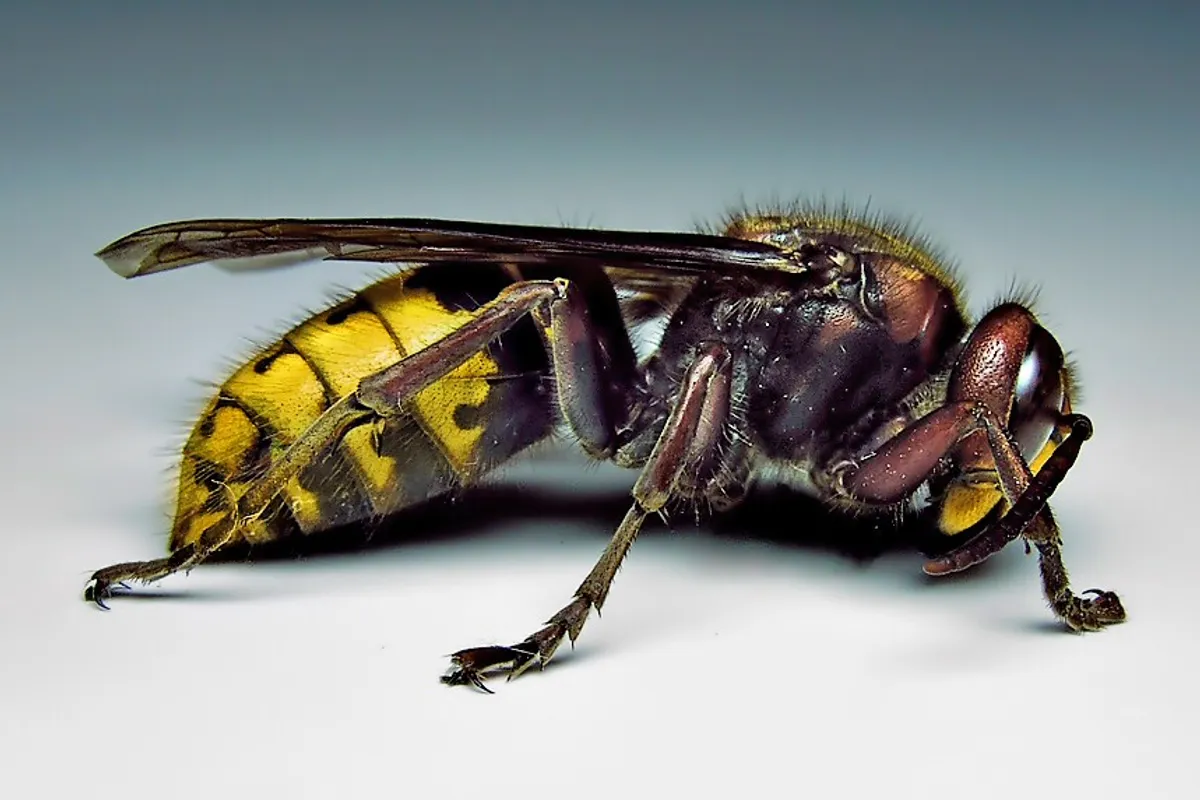
What started as a routine chimney cleaning at an old house turned into a fight for survival for 58-year-old Slobodan Pantelić from the Valjevo area. As he tried to clean the chimney with his tools, a swarm of hornets flew out and attacked him, with nearly fatal consequences.
"One stung me on the neck, and the other on my hand. On top of that, I tumbled down the roof to the ground," Pantelić recounted for Nova.rs. Fortunately, he landed on hay, so he escaped without serious injuries, but the real shock was yet to come.
"The worst part was the tightness in my chest. I couldn't catch my breath, I couldn't call my wife. I was completely drained of strength. I started choking and soon passed out. I don't remember anything else. I woke up in the hospital," he described the terrifying moments. Doctors later explained that the double dose of venom, especially the sting on the neck, triggered a severe allergic reaction. "They told me I had a double dose of venom because there were two hornets, and it was the histamine in the venom that caused the severe allergic reaction," he added.
Vladica Stanković from the Association for the Protection of Reptiles and the Environment "Poskok" warns that hornet season is in full swing and that their nests during August contain anywhere from 400 to as many as 1,000 individuals. He also explained why a single sting can quickly escalate into a multiple attack.
"When a hornet stings, it releases a pheromone, a scent that spreads and signals others to come to that spot. So someone can end up with ten stings at once," Stanković said. He added that these insects have a well-developed defense system. "They have their own guards that patrol daily and keep an eye on things. If you don't pose a threat, nothing will happen. But if you start threatening them, the scouts alert the others and they move to defend the nest."
Although local symptoms like pain, redness, and swelling are most common after a sting, people prone to allergies can experience anaphylactic shock. "People suffer when an allergic reaction and anaphylactic shock occur," Stanković emphasized, urging that if serious symptoms like difficulty breathing or loss of consciousness appear, medical help should be sought immediately.