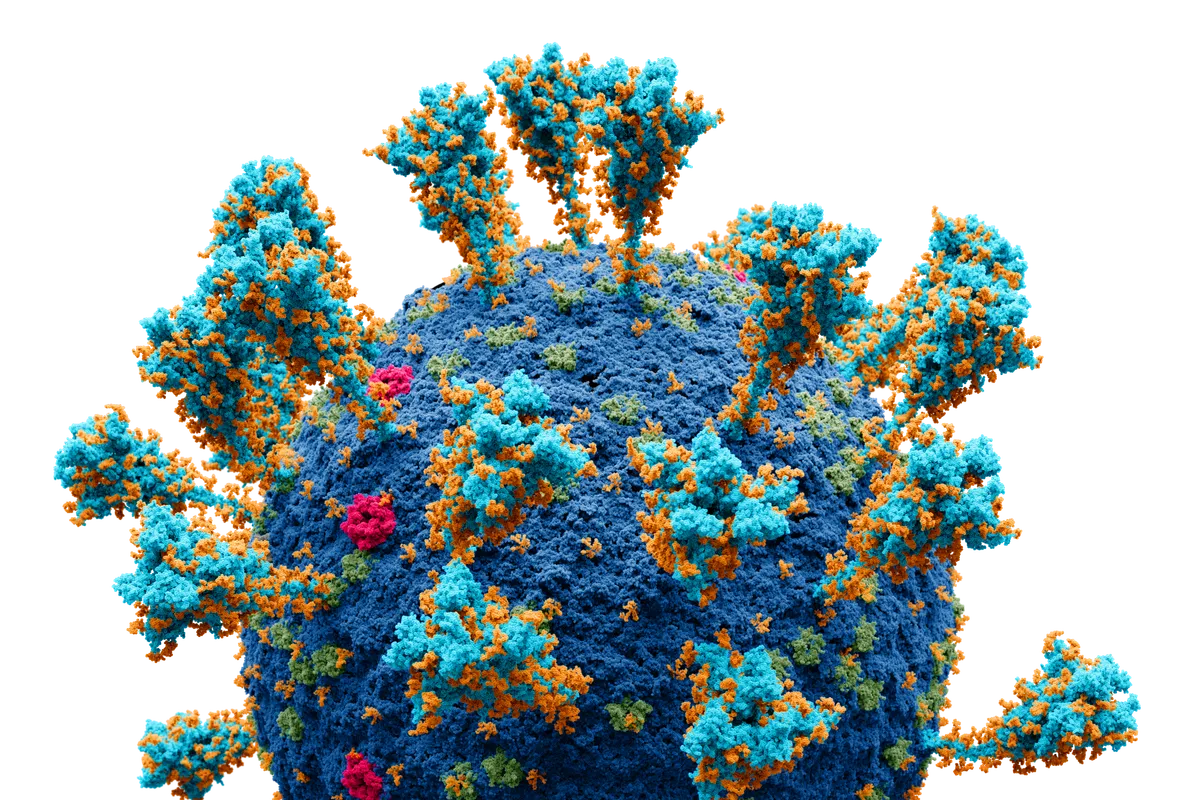
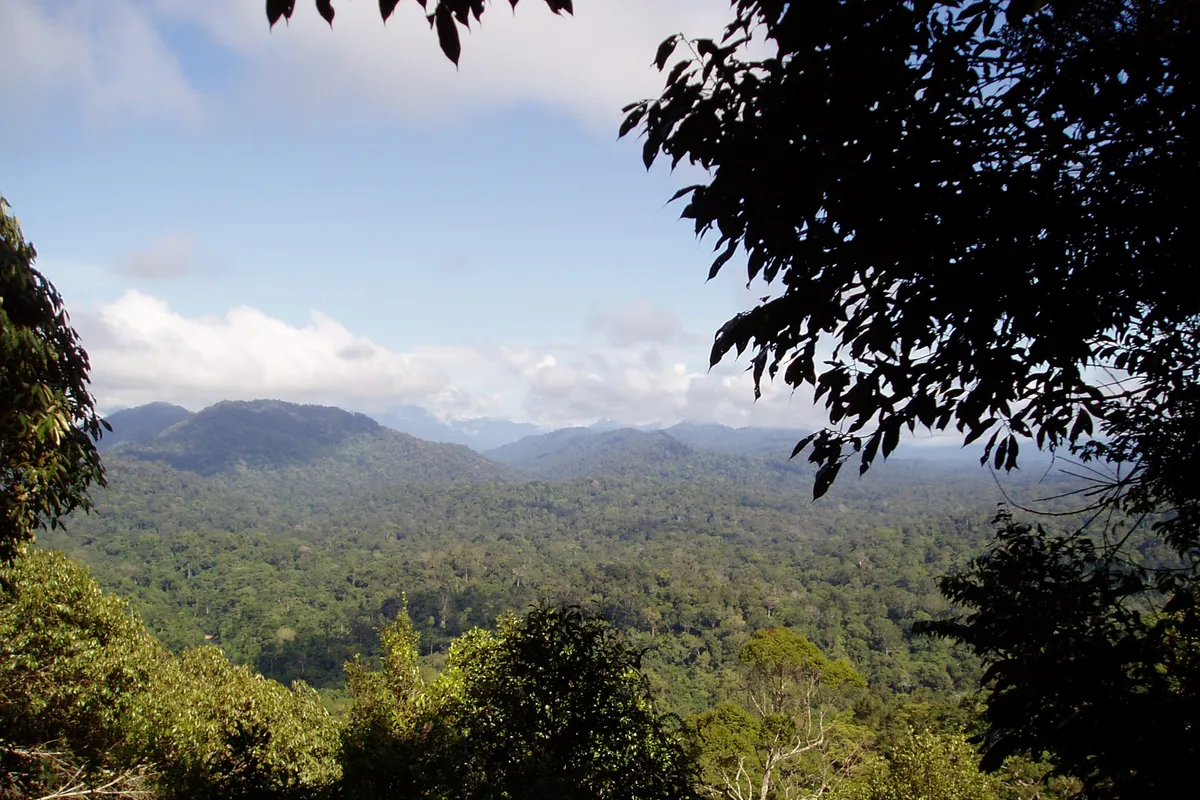
Ebola, a viral hemorrhagic fever with a high mortality rate, was first recorded in 1976 in Sudan and the Democratic Republic of Congo, then known as Zaire. The virus was named after the Ebola River in the DRC, and nearly five decades later, it still poses a serious public health threat, particularly in African countries where new outbreaks periodically emerge.
The disease is transmitted through direct contact with the bodily fluids of infected people or animals, and the natural reservoir of the virus is likely fruit bats. Transmission to humans most often occurs through contact with infected forest animals such as antelopes or monkeys. The incubation period ranges from 2 to 21 days, and an infected person becomes contagious only after symptoms appear.
Symptoms and Treatment
Symptoms of Ebola include sudden fever, severe headache, muscle pain, vomiting, and diarrhea, and in severe cases, internal and external bleeding occurs. There are five known strains of the virus, four of which are pathogenic to humans, while the fifth, the Reston strain, does not cause symptoms in humans.
There is no specific cure for Ebola, but supportive therapy is administered, including rehydration and maintenance of vital functions. Significant progress was made in 2019 when the rVSV-ZEBOV vaccine, known as Ervebo, was approved and proven effective in preventing the disease.
The Largest Epidemic in History
The most devastating Ebola outbreak occurred in 2014 and 2016 in West Africa, affecting Guinea, Liberia, and Sierra Leone. That outbreak recorded more than 28,000 infections and over 11,000 deaths, causing enormous socioeconomic consequences, including a reduction in GDP in affected countries, school closures, and overwhelmed healthcare systems.
Although the number of cases has decreased since then, the virus still circulates in nature. Recent outbreaks in the DRC and Uganda serve as reminders of the ongoing threat Ebola poses, especially in regions with limited healthcare capacity.
Global Risk and Future Threats
Although Ebola is often perceived as an "African disease," global connectivity and climate change are increasing the risk of the virus spreading to other regions. Deforestation and increasingly frequent human contact with wildlife create conditions for zoonotic transmission to humans, making Ebola relevant for countries beyond Africa as well.
Research on Ebola is crucial for understanding pandemic risks and preparing healthcare systems for future outbreaks. Experiences from the 2014-2016 outbreak and the COVID-19 pandemic have highlighted the importance of early detection, rapid response, and international cooperation in combating infectious diseases.