Croatia was placed last in the recent EU EPI report regarding environmental protection policy. For former Minister of Environmental Protection Mirela Holy, who appeared on N1 television's Novi dan on Tuesday, this is undoubtedly the best indicator of how much the Croatian government, as well as the opposition, cares about this issue.
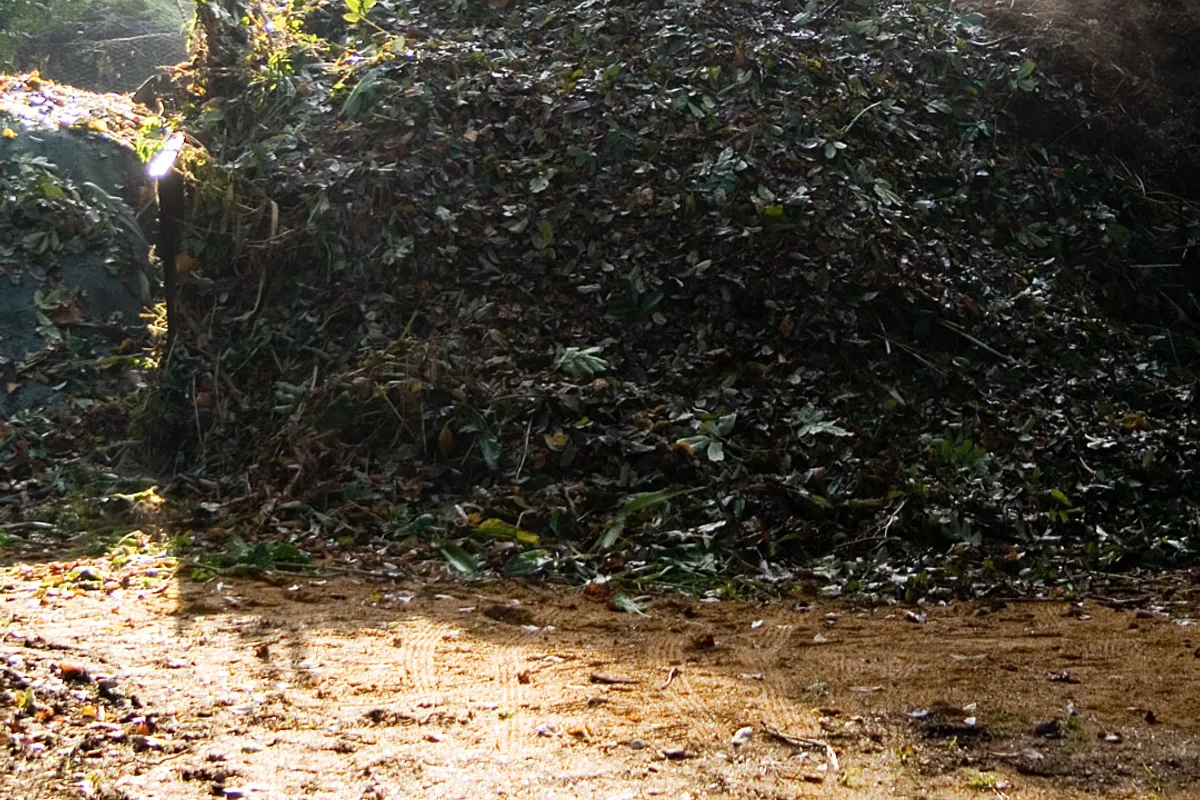
Holy commented on the ongoing affair surrounding the waste landfill in Gospić, which prompted the opposition to call for a vote of no confidence in Andrej Plenković's government. She emphasized that this case is not isolated but rather a symptom of a completely dysfunctional system.
Dysfunctional Waste Management System
"Unfortunately, this is just one of the cases, indicating that we do not have a functional management system for any category of waste. We are talking about hazardous waste, but the situation is no better with special waste categories or municipal waste," Holy stated for N1 television.
She particularly highlighted the problematic role of the Environmental Protection and Energy Efficiency Fund. "We do not have a waste management system. A traceability system is crucial; that is, knowing where waste originates, what happens to it, how it is transported, and where it ends up. Unfortunately, we lack that. We have the Environmental Protection and Energy Efficiency Fund, which should function as the main financial instrument, but in our case, this Fund is an institution that manages waste. I assume this is a system that does not exist anywhere else in the world."
Long-Term Threat to Health and Ecosystem
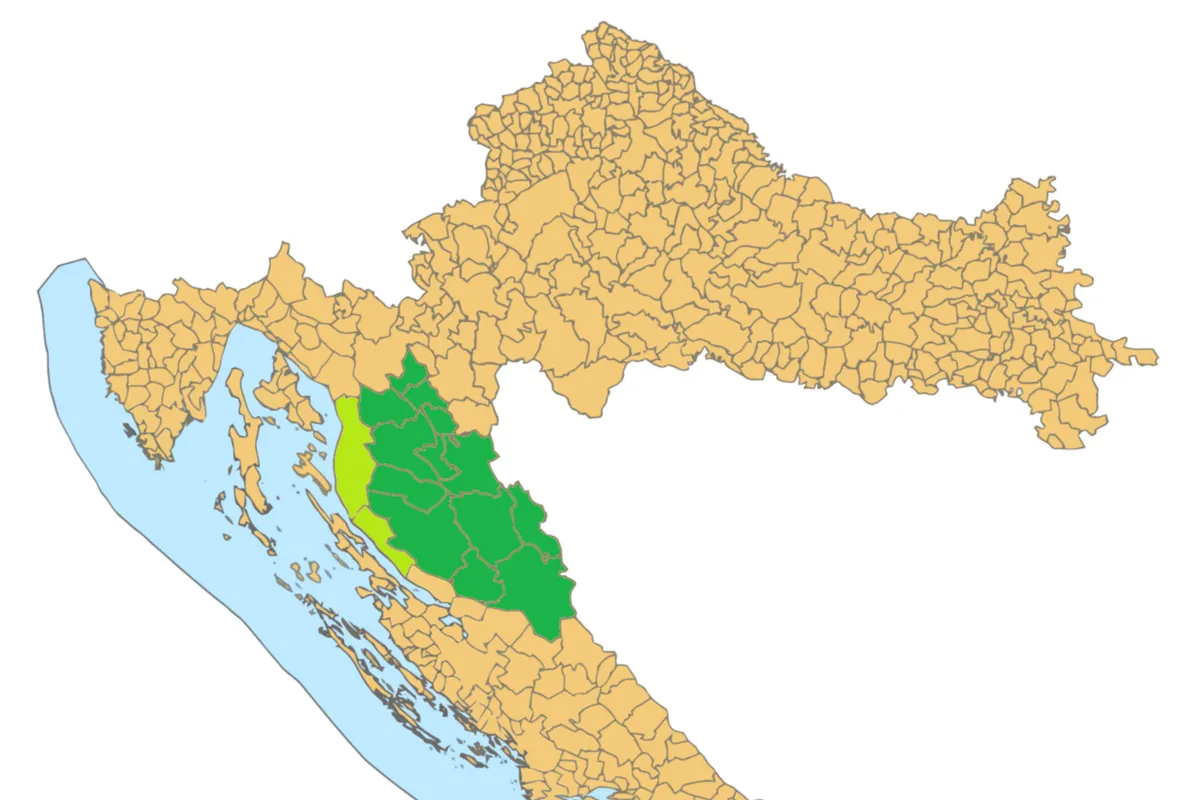
Holy warned that the situation in Lika poses a long-term threat not only to the local population but to the entire food chain. "I ask: why is there no discussion about the state's responsibility? The State Inspectorate and the competent ministry. It is not just the lives and health of Lika's residents that are at risk; it is a closed cycle - plants are poisoned, animals feed on them, and humans feed on those animals. These are highly carcinogenic compounds. And again, Croatian taxpayers will bear the cost of this damage," she said.
She explained what hazardous substances are involved. "In the long term, this is a major danger. These are heavy metals and PFAS, the so-called 'forever chemicals,' which are highly carcinogenic and dissolve in water. They contaminate water and soil, enter the food chain, accumulate over time, and cause severe health consequences."
Government and Inspectorate Responsibility
The former minister believes that responsibility for the current state lies with multiple levels of government, but the key one is at the highest political level. "There are several levels of responsibility; the greatest lies with the government and the relevant ministry. We do not have a functional environmental protection policy. The state and political elites have no interest in solving this issue. Andrej Plenković likes to boast about his European connections, but when it comes to environmental care policy, there is incredible neglect," Holy stated for N1.
She added that the lack of political will to address the problem is chronic. "There was no political will even when I was minister to resolve this system, to clearly define how each waste category should be handled."
In addition to the government, Holy also called out the inspection services. "The second level of responsibility lies with the inspection services, which identified the situation, but it remained a dead letter," she concluded.