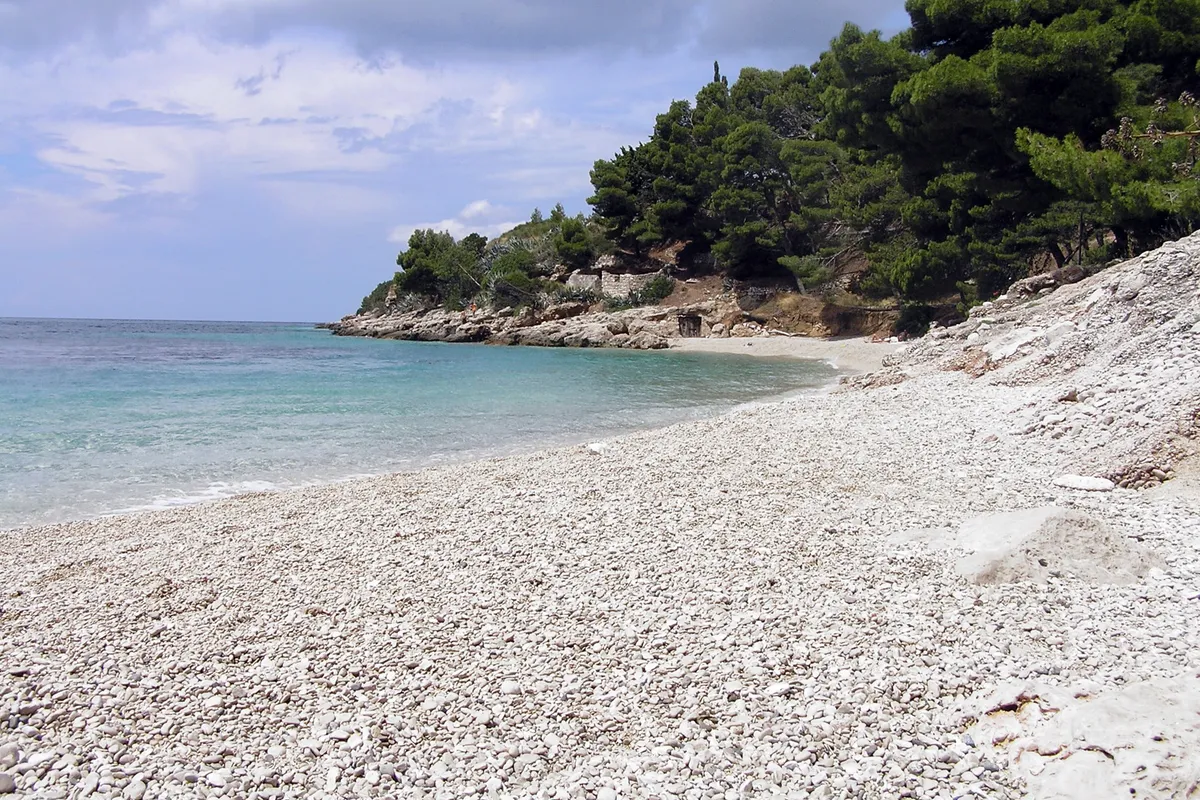
What Lurks in the Adriatic: A Guide to Hidden Hazards
Experts warn that jellyfish, weever fish, and sea urchins pose a far greater threat to swimmers than the great white shark, and warming seas are bringing new dangerous species.
Experts warn that jellyfish, weever fish, and sea urchins pose a far greater threat to swimmers than the great white shark, and warming seas are bringing new dangerous species.
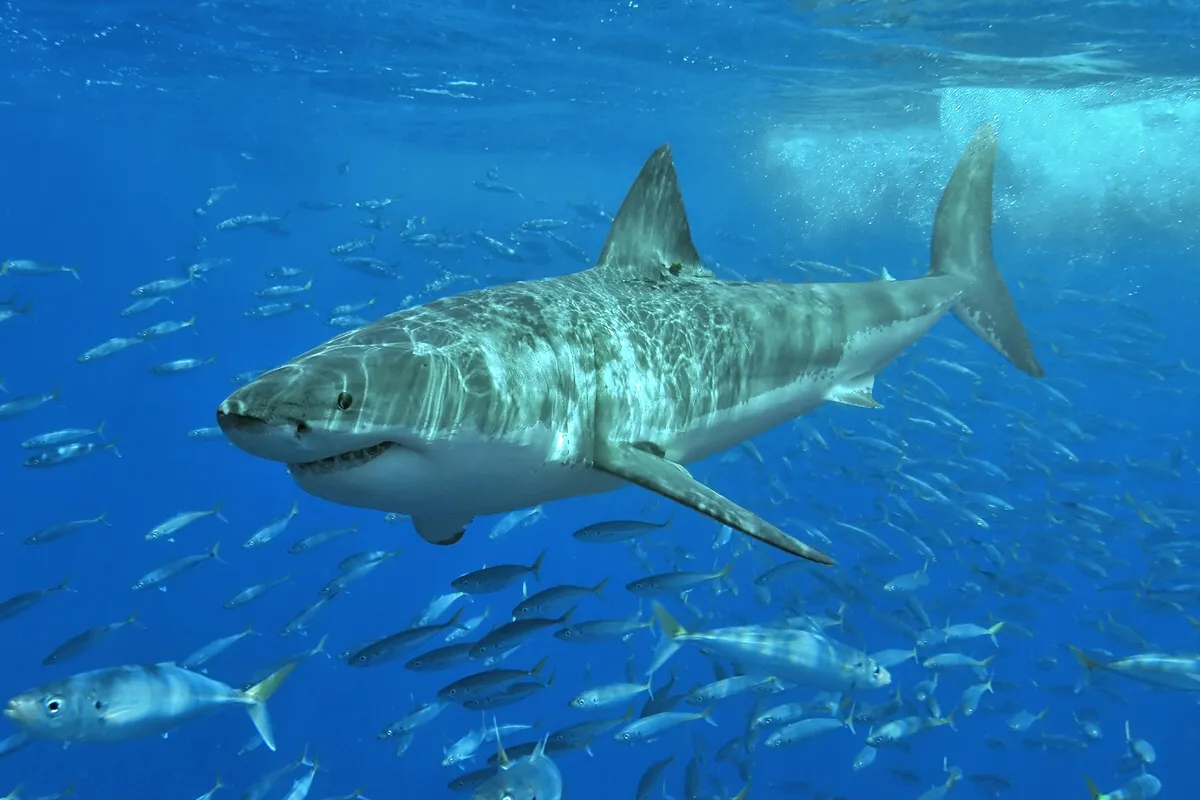
When danger in the Adriatic Sea is mentioned, most people immediately think of the great white shark. It can indeed be found in the Adriatic, and in recent times, young specimens have been spotted near the Croatian coast. However, experts emphasize that the likelihood of an encounter is very low, and attacks on swimmers in the modern history of the Adriatic are extremely rare.
For the average swimmer, a far greater danger comes from species that can cause painful injuries with their venomous spines or stinging cells. The Adriatic is considered one of the safest seas for swimming on the European continent, but it is home to a number of species that defend themselves with venomous needles, stinging tentacles, or other means. Due to the warming of the sea in recent years, new, warm-water species have also appeared, having spread northward from the Red Sea.
The weever fish is considered one of the most venomous fish in the Adriatic. It lives buried in sand or mud, with only its eyes and dorsal fin visible above the substrate. The most common way to get stung is when a swimmer accidentally steps on the fish. Its venomous spines cause intense pain, swelling, redness, and inflammation, and in more serious cases, nausea and additional complications can occur.
Jellyfish are among the most common sources of discomfort while swimming. Species with long tentacles covered in stinging cells are particularly problematic and can cause painful burns. It's important to note that for certain species, such as the moon jellyfish, it is recommended to avoid using vinegar for rinsing, as it can further activate the stinging cells left on the skin.
Sea urchin stings are among the most common injuries in the Adriatic. The biggest problem is their brittle spines, which easily break off and remain in the skin. If not removed, they can lead to prolonged inflammation, granulomas, and sometimes surgical removal is necessary.
Scorpionfish are true masters of camouflage, making them nearly impossible to spot among the rocks. They have venomous spines on their dorsal and anal fins that can cause severe pain and swelling. Injuries occur only through accidental contact or when the fish is removed from a hook.
The lionfish, an invasive species, has been increasingly spotted in the Adriatic Sea recently, especially around Vis, Lastovo, and the Dubrovnik area. Although attractive to look at, it is very dangerous and carries venomous spines on its dorsal fins. The risk for swimmers is low, but divers and fishermen must be especially cautious.
The stingray, also known as the common stingray, is a species of ray that lives on sandy and muddy bottoms. It has a barbed spine on its tail that contains venom and is used for defense when the ray feels threatened. A sting can result in a deep wound and very severe pain.
The Mediterranean box jellyfish, although not as deadly as Australian box jellyfish, can cause an extremely painful sting. Since it is almost completely transparent, it is extremely difficult to spot in the water. The compass jellyfish can be recognized by brown markings resembling a compass. This species is common in the northern Adriatic, and its stinging cells remain dangerous even after the jellyfish washes ashore, so it must not be touched.
The fireworm has become increasingly common in the central and southern Adriatic in recent years. Its entire body is covered with small white bristles that penetrate the skin on contact and release venom, causing intense burning, itching, and redness. The brown anemone, also known as the sea anemone, looks like a marine plant at first glance, but it is actually an animal with venomous stinging tentacles. Contact with it can cause redness, stinging, blisters, and painful burns, especially in people with sensitive skin.
The silver-stripe blaasop represents a different kind of danger. Its flesh, liver, and skin contain tetrodotoxin, one of the most potent natural neurotoxins. Experts stress that this fish must never be consumed, and it has recently been observed in Istria and the southern Adriatic.
Most injuries in the Adriatic can be prevented by following a few simple precautions. When entering the water, it is advisable to wear protective footwear, especially on rocky and sandy beaches, avoid touching unfamiliar marine creatures, and be careful while diving or walking in the shallows. In the event of a sting or burn, if the pain is severe or if significant swelling, breathing difficulties, or other serious symptoms occur, seek medical attention immediately.