Glina Marks 31st Anniversary of Liberation and Remembers Camp Victims
Commemoration in Glina sent a clear message about the necessity of confronting the past and preserving the memory of all those who suffered.
Commemoration in Glina sent a clear message about the necessity of confronting the past and preserving the memory of all those who suffered.

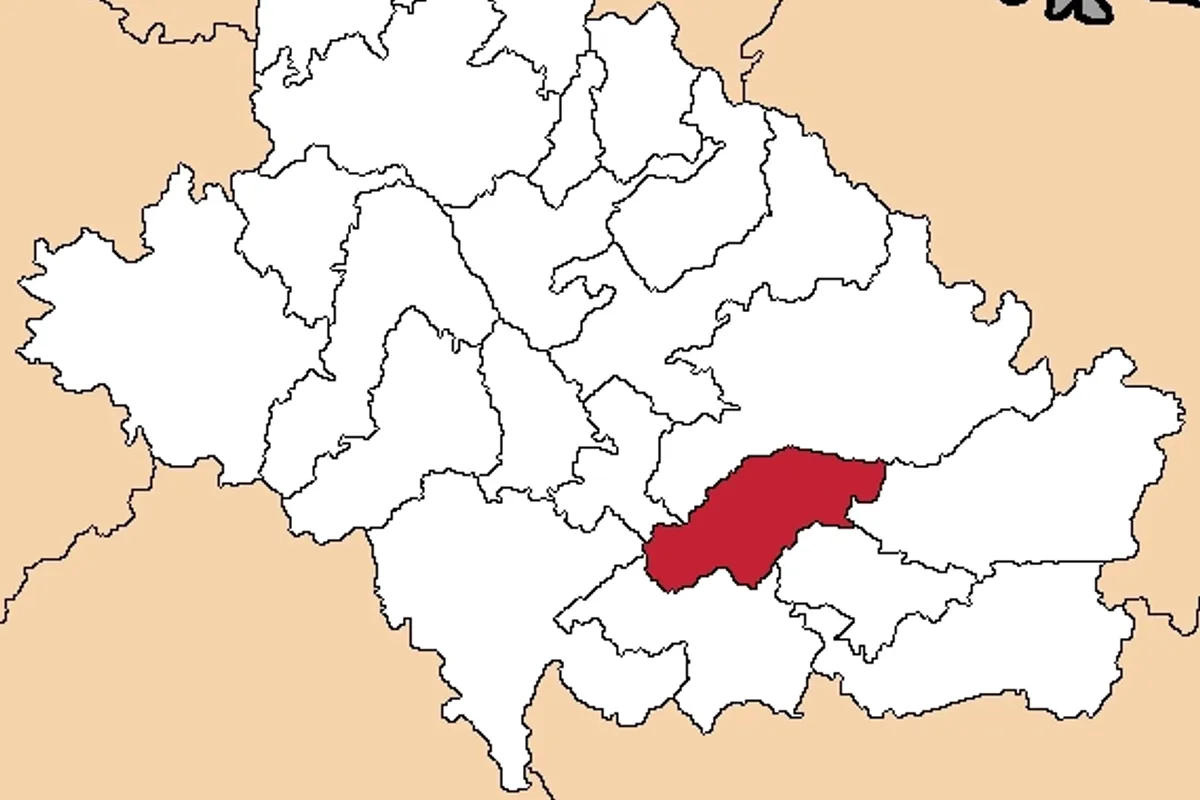
On Saturday, August 8, 2026, Glina marked the 31st anniversary of the surrender of the Kordun Corps, which ended the occupation of the town and achieved one of the decisive victories in the Homeland War. During the anniversary, alongside the remembrance of the liberation, delegations also paid tribute to the victims of the Serbian concentration camp, which was one of the most severe sites of suffering for Croatian defenders and civilians during the four years of occupation.
Glina was liberated on August 6, 1995, on the third day of the military-police operation Storm. Approximately 2,000 Croatian defenders and civilians passed through the infamous Serbian camp in the town during the four years of occupation. Prisoners were subjected to torture and inhumane conditions, and the memory of their suffering remains a central theme of every commemoration.
Retired General Marijan Mareković, the envoy of the President of the Republic, reminded attendees of the broader context of the victory in Glina and the entire Operation Storm. "The events here and Operation Storm were the foundation that forced the international community to peacefully reintegrate the remaining occupied areas in eastern Croatia without human casualties," added Mareković.
His words highlight how the military victory on the battlefield created the conditions for a diplomatic solution and the return of Croatian Podunavlje to the country's constitutional and legal order without further conflicts.
State Secretary and envoy of the Prime Minister, Darko Nekić, emphasized the importance of remembering the contribution of fallen defenders. "The most important thing we must remember today is the contribution of fallen defenders, whether from the police or the military, so that we can stand here today and so that we, our children and grandchildren, can proudly stand here and bear witness to the feat of our ancestors," said Nekić.
Ivan Turudić, president of the Croatian Association of Prisoners of Serbian Concentration Camps of Split-Dalmatia County, warned that the truth about the suffering must receive its legal confirmation. "If we do not speak the truth, if it does not receive satisfaction through the legal framework, both in the Republic of Croatia and in the Republic of Serbia, if there are no final verdicts, the question is what we leave to future generations, what message," said Turudić.
His words reflect the long-standing frustration of camp prisoners and families of victims who are still waiting for full legal resolution of the crimes committed in the camp.
The commemoration in Glina once again demonstrated that remembering the sacrifice and victory is not merely looking to the past. The messages from the ceremony were directed at institutions that must persist in prosecuting crimes, but also at society as a whole, which must preserve the documented truth from oblivion. The freedom of the town, it was emphasized, was paid at a high price, and its value is best preserved through truth, gratitude, and the responsible transmission of history to younger generations.