Google unveils Pixel Tag for $29
The new tracker uses UWB and Bluetooth Channel Sounding for precise location tracking and is compatible with Android 9 and newer devices, as well as Pixel Watch.
The new tracker uses UWB and Bluetooth Channel Sounding for precise location tracking and is compatible with Android 9 and newer devices, as well as Pixel Watch.
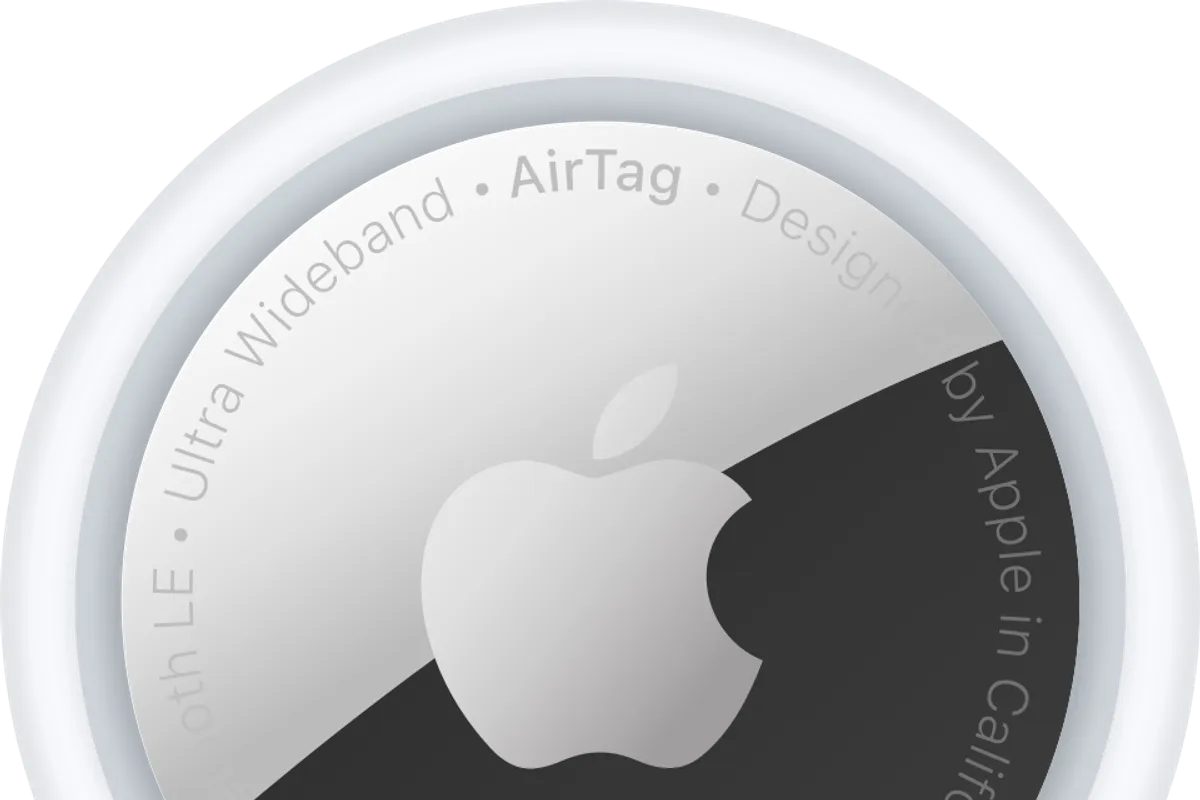
At the 'Made by Google '26' event, alongside the new Pixel 11 phones, Google finally unveiled its own tracker for finding lost items. The Pixel Tag, as it's called, is a direct response to Apple's AirTag and will cost $29 individually. A four-pack will sell for $99, matching Apple's pricing.
It goes on sale on November 11, 2026, but pre-orders are open now, with initial shipments starting as early as August 20, according to Engadget. To use the Pixel Tag, you'll need a phone running Android 9 or later, but for advanced precise location features, you'll need newer hardware.
Unlike the round AirTag, Google opted for an elongated pill shape. The Pixel Tag is 1.1 inches wide, 1.8 inches tall, and just 0.2 inches thick. For comparison, the AirTag is slightly wider (1.26 inches) and thicker (0.31 inches). With the battery, it weighs 0.4 ounces, nearly identical to the AirTag's 0.39 ounces.
The device comes in a single color Google calls Fog-a combination of a silver metallic front and a gray-green polycarbonate back. Like the AirTag, it has no built-in loop or clip for attachment, relying instead on accessories. It features a single physical button that triggers a sound on your phone, useful in the rare case you have the Tag but have misplaced your phone.
The Pixel Tag brings two technologies for precise tracking. The first is Ultra Wideband (UWB), which shows the exact distance and direction to the tracker in the Find Hub app. This feature only works with phones that have a UWB chip, such as Google's Pixel Pro models (from the 6 series onward) or Samsung's Galaxy S and Z Fold devices.
The second, newer technology is Bluetooth 6.0 Channel Sounding. It enables precise distance measurement between two devices but without showing direction. It requires Android 16 or later and Bluetooth 6.0 hardware. The Verge notes that Google device owners will need at least a Pixel 10 for Channel Sounding. The Pixel Watch 4 and Pixel Watch 5 also support this feature, while UWB on the watch requires a Pixel Watch 2 or newer. Besides Google, the Moto Tag 2 is the only other tracker currently supporting Channel Sounding.
The Pixel Tag relies on Google's Find Hub network, which uses Android devices worldwide to locate lost items, similar to Apple's Find My network. You can locate the Tag and ring it directly from your Pixel Watch, and voice commands via the Gemini assistant are also supported.
The tracker uses a standard CR2032 battery that users can replace themselves, lasting about a year-on par with the competition. The device carries an IP67 dust and water resistance rating, meaning it can withstand submersion in water up to 1 meter (3.28 feet) for 30 minutes.
Connectivity is via Bluetooth and UWB, but there's no NFC chip. A built-in speaker helps locate it when you're in close proximity. The Verge's Dominic Preston notes that the Find Hub network has steadily improved since launch, though in testing last year it was still less precise than Apple's.