Fuel prices in Croatia to spike sharply from Tuesday unless government intervenes
Diesel could rise by 22 cents per litre, filling a 50-litre tank will cost €11 more. Expert advises reducing consumption as the only real savings.
Diesel could rise by 22 cents per litre, filling a 50-litre tank will cost €11 more. Expert advises reducing consumption as the only real savings.
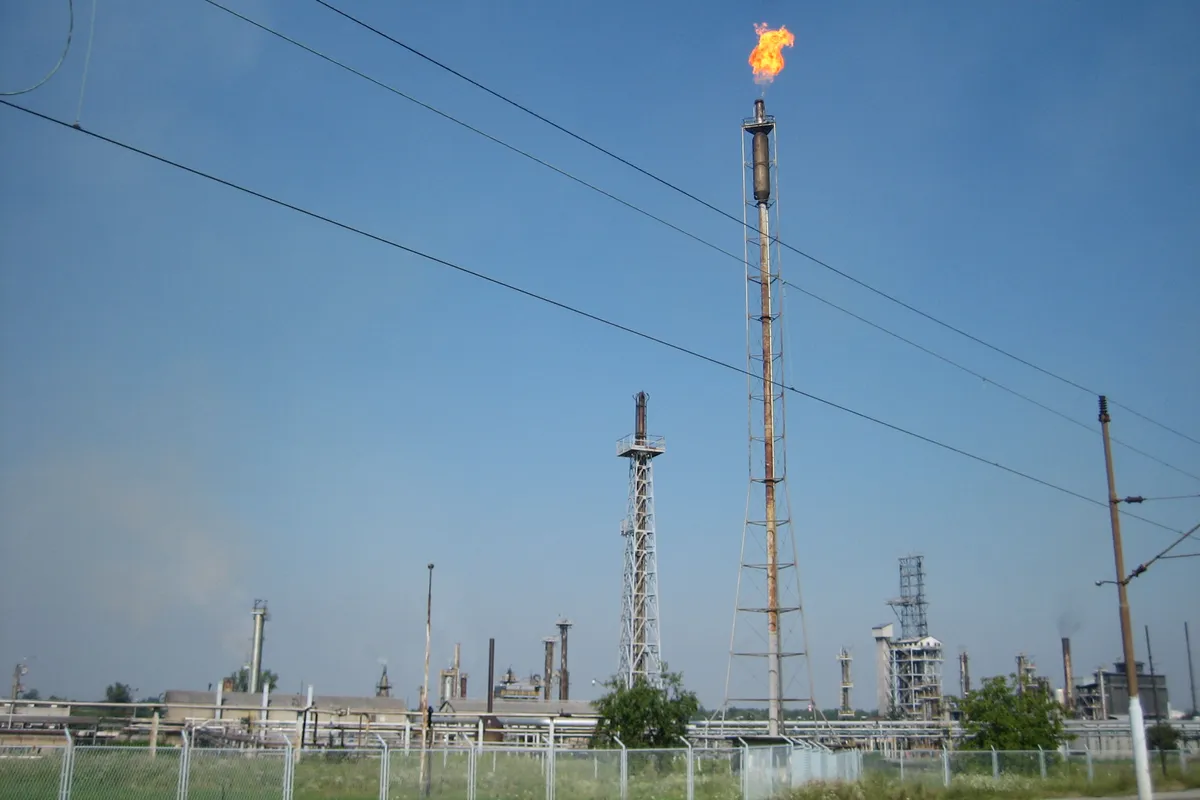
Drivers in Croatia face a sharp rise in fuel prices from Tuesday, July 28, 2026, unless the government decides to intervene and cap retail prices. According to a market calculation published by Nova TV's Dnevnik, petrol should rise by ten cents per litre, eurodiesel by as much as 22 cents, and blue diesel by 24 cents per litre.
A litre of standard petrol is currently sold at a regulated price of €1.54, and without government intervention the new price would be around €1.64. For drivers filling a 50-litre tank, that means the cost increases from the current €77 to €82, i.e., five euros more. Drivers of diesel cars would face an even bigger hit: eurodiesel is currently sold at €1.59 per litre, and after a 22-cent increase, the price would rise to €1.81. Filling the same 50-litre tank would cost €11 more, from €79.50 to €90.50. Blue diesel would see the biggest jump, currently sold at around €1.02 per litre, and a 24-cent increase would push it to around €1.26, meaning €12 more for 50 litres.
Dražen Jakšić from the Hrvoje Požar Energy Institute told Nova TV's Dnevnik that the government still has tools at its disposal to intervene.
"The state can certainly intervene, as it has done so far on retail prices of derivatives at pumps. It did this through a combination of limiting distributor margins and also by waiving certain levies, i.e., reducing excise duties. The government definitely still has room there because the state's share in the final price of fuel at pumps is substantial,"said Jakšić. However, he warns that every such measure comes at a cost to the state budget and cannot last indefinitely.
Jakšić emphasises that the government has no influence on global oil markets.
"What the state cannot influence in any way are the prices on international markets. The price at which we buy a barrel of oil, the state has no influence over that,"the expert pointed out. He adds that any intervention means a reduction in budget revenues, which the government must compensate for by borrowing or abandoning planned investments. During the summer season, when fuel consumption is higher due to tourists, some filling stations have even introduced limits of 300 litres per refuel to prevent hoarding by consumers.
Jakšić reassured the public regarding fuel availability.
"There is no cause for concern. We are in line with our obligations to maintain 90 days' supply of oil and petroleum derivatives,"he said. The 300-litre refuelling limit was introduced purely as a precautionary measure to prevent local logistical delivery problems during peak summer periods, not because of shortages.
When asked what to tell drivers considering filling canisters and building up stocks, Jakšić was clear.
"I would actually advise them to think about how they can reduce consumption. To consider giving up maybe two car trips next week and replacing them with cycling, walking or public transport,"he said. The rise in fuel prices will also have broader economic consequences:
"First, transport will probably feel it, then food,"Jakšić concluded, adding that for transport services, fuel costs are the most significant item, so further price increases can be expected in that segment.