Gospić Is Just the Tip of the Iceberg: 12 Eco-Bombs Threaten Croatia
As Lika Prepares for the August 16 Protest, Experts and Zelena Akcija Warn of at Least 12 More Hazardous Waste Sites Across the Country, from Benkovac to Ježdovec.
As Lika Prepares for the August 16 Protest, Experts and Zelena Akcija Warn of at Least 12 More Hazardous Waste Sites Across the Country, from Benkovac to Ježdovec.
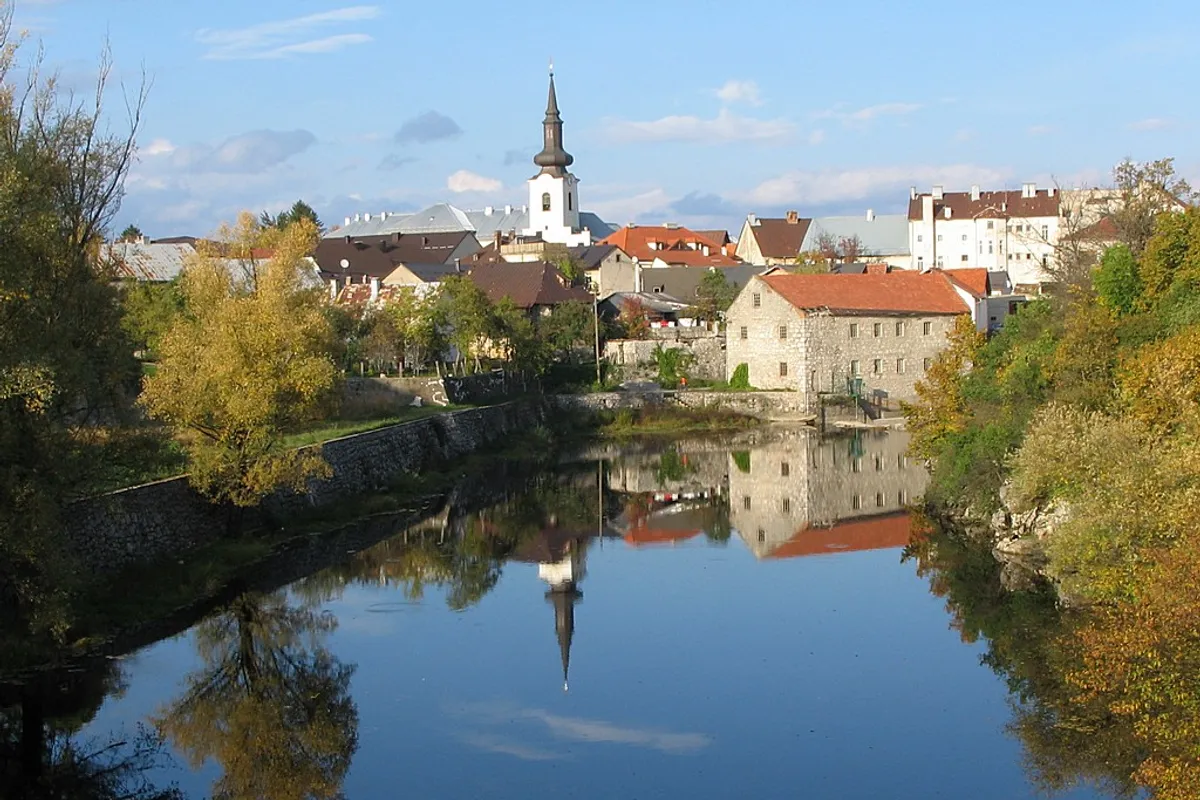
The hazardous waste dump in Gospić has escalated into Croatia's biggest environmental scandal, with USKOK releasing expert findings on hazardous substances due to high public interest. As Lika prepares for the protest scheduled for August 16, experts and members of the Zelena Akcija association warn that there are more potential eco-bombs across the country, of varying scale. Večernji list provides an overview of the 12 most dangerous sites.
The expert assessment conducted by the Faculty of Geotechnical Engineering at the University of Zagreb confirmed that approximately 37,000 tons of mixed technogenic waste have been disposed of at the industrial complex in Bilajska Street in Gospić. This includes electronic, medical, plastic, and construction waste, along with treated municipal and industrial residues. Large quantities of waste of various types and characteristics were found, including some clearly marked as hazardous.
Elevated levels of PFAS compounds, so-called forever chemicals, were detected, and analyses confirmed significantly increased concentrations of harmful substances such as copper, zinc, lead, and antimony. Soil contamination and spread beyond the dump site itself were also confirmed. Jutarnji list reports around forty thousand tons, while the expert assessment by the Faculty of Geotechnical Engineering, according to Večernji list, mentions 37,000 tons, so sources differ in their estimates of the quantity.
Following the outbreak of the Gospić affair, residents of Benkovac, Senj, and Varaždin have also come forward, where the company owned by the Šincek couple also disposed of waste. Residents of Benkovac are awaiting the results of testing at an illegal dump site in a quarry, where it is suspected that approximately 11,000 square meters of shredded plastic have been buried. There is suspicion that waste was brought to the quarry from Italy, Slovenia, and Croatia between 2022 and 2024.
Results are also expected for Varaždin, where approximately 5,000 tons of waste from the same company were disposed of at the former Mundus site. According to USKOK, around 2,640 tons arrived in Senj.
The necessary remediation of the illegal waste dump in Poznanovec, in the municipality of Bedekovčina in Krapina-Zagorje County, has been discussed for about ten years, with the start constantly being postponed. According to some estimates, around 13,000 tons of waste have been disposed of there. Local residents claim that waste began arriving in 2014 and suspect that part of it was illegally imported from Slovenia.
They are particularly concerned that some of the waste is buried. Complaints relate to unpleasant odors and waste being blown around yards by the wind, and they also claim an increase in malignant diseases has been recorded, although the Croatian Institute of Public Health states there are no deviations. The Krapina-Zagorje County Prefect, Željko Kolar, emphasizes that water testing has not shown the presence of pollutants. The Environmental Protection and Energy Efficiency Fund has issued a public call for the removal and treatment of improperly disposed waste at two locations in Poznanovec, and testing has shown the presence of hazardous waste.
In the Zelena Akcija association, the dump site in the forest in Ježdovec, on the western edge of Zagreb, is also counted among potential eco-bombs. This is one of the largest illegal dumps in the country, used by private companies for waste disposal. According to media reports, waste has been dumped in Ježdovec for years on land owned by Hrvatske šume, the City of Zagreb, and the state.
From Zelena Akcija, they warn that these are companies engaged in this as literally a criminal business. "These are environmental crimes, which in Croatia, however, are prosecuted as misdemeanors. As long as it remains a misdemeanor with such ridiculously low fines, this problem will not be solved," they say from the association.
A protest is scheduled for August 16 in Gospić at Stjepan Radić Square. Mile Ilić from Bilaj, the nearest settlement on the eastern side of the toxic landfill, personally put up posters with the message: "They betrayed Lika and draped it in black. They poisoned the water, soil, and air. If we save Lika, then we have saved Croatia too."
Ilić told Slobodna Dalmacija that the situation is pre-dramatic and that he expects several thousand people. Members of parliament from Most, Ivan Matić from Obrovac, Troskot, and Miletić, as well as MP Marija Selak Raspudić, have been invited. "For eighteen months, we've been blowing the trumpet here in Gospić, and nothing has moved in the state," said Ilić.
Ilić also sharply criticized the state leadership: "Our muddled prime minister and our muddled minister Vučković are not up to this problem!" He added that there is a million tons of waste in Lika, including the Rakitovac municipal landfill, which he claims was also used for hazardous waste. "It's been verified and known. And now investigations are ongoing. Listen, the problem is that this crime is connected to the top of the state," said Ilić.
The Public Health Institute of Lika-Senj County has issued a call to residents of Gospić, Otočac, Senj, and the municipalities of Perušić and Karlobag to immediately report if they use water from their own wells, cisterns, or local water supplies that are not part of the public water supply. The reason is new information about the infiltration of PFAS compounds into groundwater beneath the waste dump in Gospić.