Houthis Attack Jizan, Compare Saudi Arabia to Israel
Conflict between Yemeni rebels and Riyadh escalates with missile strikes and Red Sea blockade, threatening to expand into a regional war.
Conflict between Yemeni rebels and Riyadh escalates with missile strikes and Red Sea blockade, threatening to expand into a regional war.
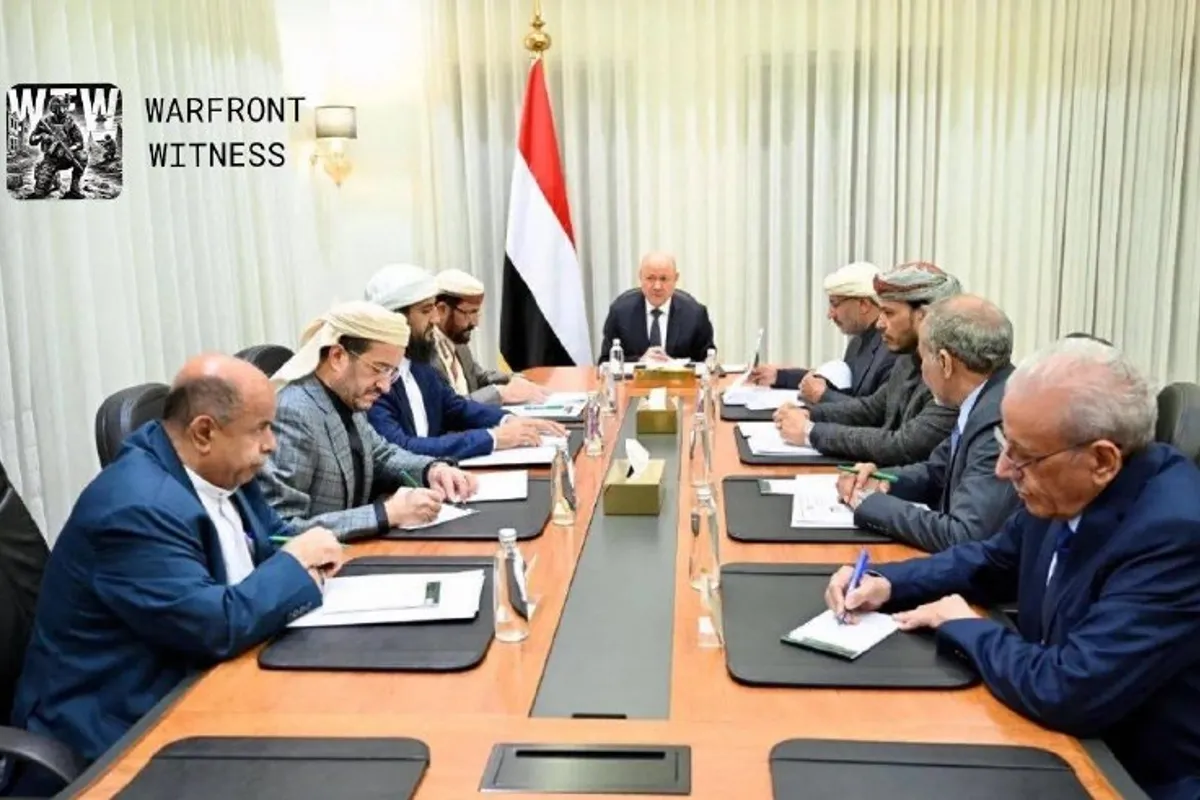
Yemen's Houthis launched a missile attack on Saturday, July 25, 2026, on the Saudi city of Jizan in southern Saudi Arabia, and the head of their negotiating delegation, Mohammed Abdul Salam, compared Saudi Arabia to Israel, saying: "What similarity exists between Saudi Arabia and Israel in everything-in lies, arrogance, hatred, and aggression." The attack comes a day after the Saudi coalition bombed the Houthi-controlled port of Hodeida, leading to a rapid escalation of a conflict that threatens to destabilize one of the world's most important maritime routes.
Houthi media Ansarollah reported on Telegram that fires broke out in Jizan following a "Yemeni missile attack." NASA's FIRMS satellite fire detection system identified a fire hotspot at the Aramco facility in Jizan, but the cause of the fire has not been confirmed. Saudi civil defense issued a warning for residents of Jizan and Yanbu to remain cautious and avoid gatherings, later announcing that "the danger has passed in Jazan province," without mentioning a missile attack. Saudi authorities have not confirmed details of the attack.
The conflict has intensified in a short period. On July 20, 2026, the Houthis imposed an embargo on Saudi shipping in the Red Sea, and on July 23, they launched a missile attack on a tanker owned by the National Shipping Company of Saudi Arabia. The Saudi coalition retaliated on July 24 with attacks on the port of Hodeida, claiming they targeted only "Houthi military sites" that were threatening commercial vessels. The Houthis, in turn, accused Riyadh of targeting civilian infrastructure, including the telecommunications network and Kamaran Island, and reported one injured worker in Hodeida and one injured woman on Kamaran Island.
Alongside the missile attack on Jizan, the Houthis announced on Saturday that they would issue an important statement at 3:00 p.m. regarding "qualitative and extensive military operations." Houthi media Ansarollah had earlier warned that Saudi actions "will not go unanswered" and that "recent crimes will not go unpunished." Riyadh, meanwhile, stated that it would take whatever is necessary to protect its ships and that if the Houthis continue with "hostile actions, there will be no hesitation in responding."
At the heart of the conflict is the Bab el-Mandeb Strait, which connects the Red Sea to the Gulf of Aden and the Indian Ocean, and represents a key route between Asia and Europe via the Suez Canal. The Houthis denied completely closing the strait, but the mere threat of a blockade is already unsettling global markets. According to the South China Morning Post, for Saudi Arabia, the Red Sea has become a critical alternative for oil exports, as the Strait of Hormuz is blocked by war conflicts. Pakistan, which has a mutual defense agreement with Riyadh, has warned that it will "take all necessary measures, including the lawful use of force," if its maritime interests are threatened.
The conflict is unfolding against the backdrop of a broader regional war that also involves the US. According to DW News, the US military has been attacking Iran for thirteen consecutive nights as of July 25, 2026. US President Donald Trump wrote on Truth Social that if the Houthis repeat attacks on Saudi ships, "Iran will be held responsible, because the Houthis are Iran's proxy, and a major military punishment will be inflicted on Iran and the Houthis themselves." Trump also stated that Iran is becoming "very serious" in negotiations with the US. Iranian Foreign Minister Abbas Araghchi said that Tehran will hold any country that helps the US attack the Islamic Republic of Iran responsible.