Hrstić: Water Findings in Gospić Completely Normal
Health Minister Irena Hrstić assures Lika residents that all water samples, including those from boreholes up to 300 meters deep, are normal and announces an extraordinary session of Parliament.
Health Minister Irena Hrstić assures Lika residents that all water samples, including those from boreholes up to 300 meters deep, are normal and announces an extraordinary session of Parliament.
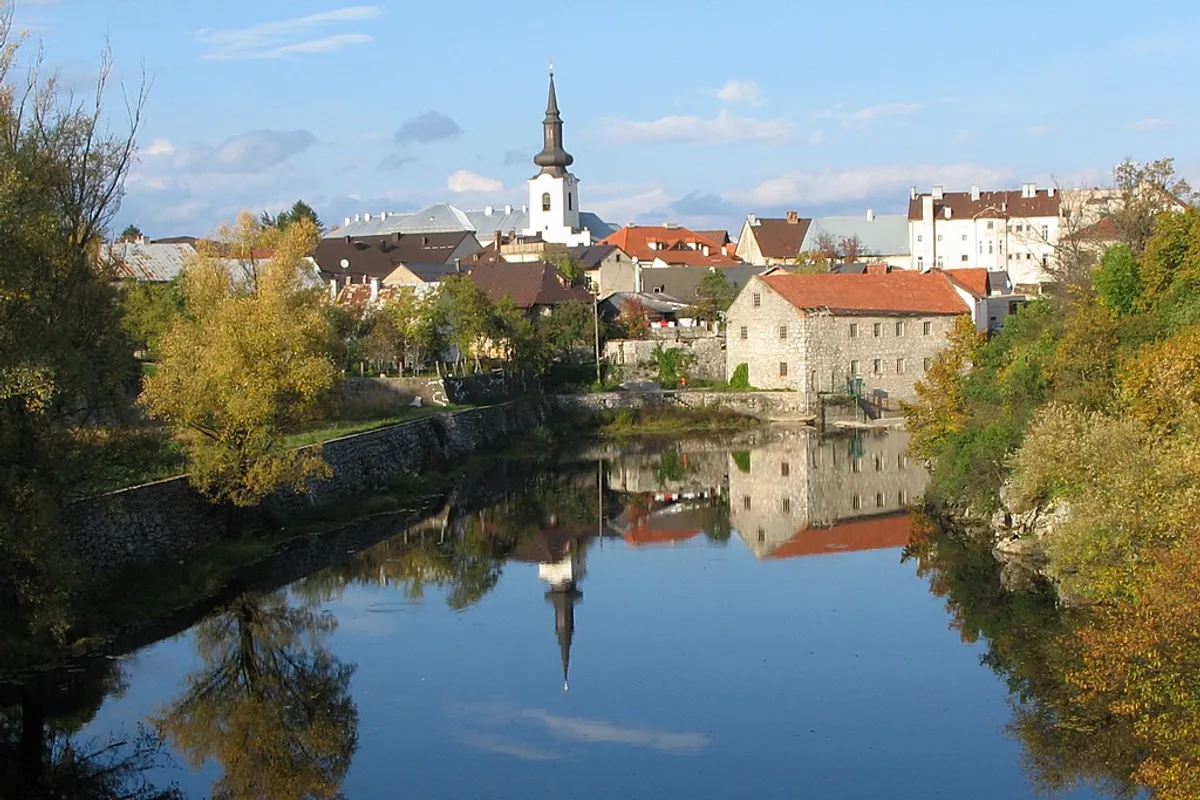
Health Minister Irena Hrstić gave an extensive statement to RTL Danas on Monday, August 17, 2026, regarding the hazardous waste situation in Gospić, after members of a citizens' initiative left a session of the Parliamentary Committee. Reporter Dajana Šošić asked her, among other things, whether she herself would drink the water and eat vegetables grown across from the waste site.
Hrstić responded by citing her expertise: "As a physician and scientist, having completed my doctorate and continuously worked and researched, I can responsibly state that all findings and samples taken are completely normal."
The Minister detailed the latest testing conducted by the Croatian Institute of Public Health (CIPH) on August 13, 2026. As she explained, this time water was also tested from deeper sources, not just surface sources at a depth of 30 meters.
"The latest testing by the Croatian Institute of Public Health included water from deeper sources precisely because-as the Mayor of Gospić himself stated-this is a karst area, and it's not enough to test only at a depth of 30 meters. On August 13, samples were also taken from boreholes between 150 and 300 meters deep," said Hrstić.
She emphasized that drinking water in Croatia is continuously monitored and there is no cause for concern: "Drinking water isn't just monitored since last year. Drinking water in Croatia is continuously monitored." She added that measurements will be adjusted depending on the situation and findings.
She also addressed the departure of initiative members from the Committee session, who claimed they were not given priority in asking questions. Hrstić denied this: "I can confirm that there was no talk of initiative members not being able to ask questions-quite the opposite. They wanted to have priority."
She explained that it is logical to first present the ministry's data, then allow discussion and questions. She stressed that the Parliamentary Committee session is governed by rules of procedure and that after the session resumed, association members did ask questions, which were answered professionally.
Upon arrival, Minister Hrstić and Minister Vučković were met with whistles from gathered citizens. Hrstić said this was expected: "It's to be expected that through this planned event, certain emotions are expressed through whistles. As a minister, I am aware that our citizens are concerned."
The President of the Republic will submit a request to convene an extraordinary session of Parliament, and Hrstić expects concrete answers from it. "I expect answers to questions. I hope there won't be any circus because what we experienced today was a circus," she said.
She concluded that citizens expect the truth and timely recommendations from institutions, and that is exactly what will happen: "Citizens expect us to tell the truth, to react in a timely manner, and to give them recommendations. That's what we'll do, and we can't wait for that extraordinary session of Parliament."