Croatian Exports Grow at Double-Digit Rate, but Growth Driven by Gas
In the first half of the year, exports reached 13.7 billion euros, but 71 percent of the growth in the first five months came from mining and quarrying, primarily LNG.
In the first half of the year, exports reached 13.7 billion euros, but 71 percent of the growth in the first five months came from mining and quarrying, primarily LNG.
Croatia recorded strong growth in merchandise exports of 10.8 percent in the first six months of 2026 compared to the same period last year, reaching a value of 13.7 billion euros. At the same time, imports rose by 4.8 percent to 23.9 billion euros, according to data from the Croatian Bureau of Statistics, as reported by Narodno.hr.
Despite the double-digit jump in exports, the foreign trade deficit remains deep at 10.2 billion euros. Import coverage by exports stood at 57.4 percent, meaning that for every euro of imported goods, Croatia exports just over 57 cents.
The strongest momentum was recorded in trade with European Union member states. Exports to that market rose by 14.1 percent, reaching 9.5 billion euros. Meanwhile, exports to non-EU countries increased by 3.9 percent, to 4.2 billion euros.
Imports from the EU amounted to 18.3 billion euros (up 3.8 percent), while imports from non-EU countries jumped 8.4 percent, to 5.6 billion euros.
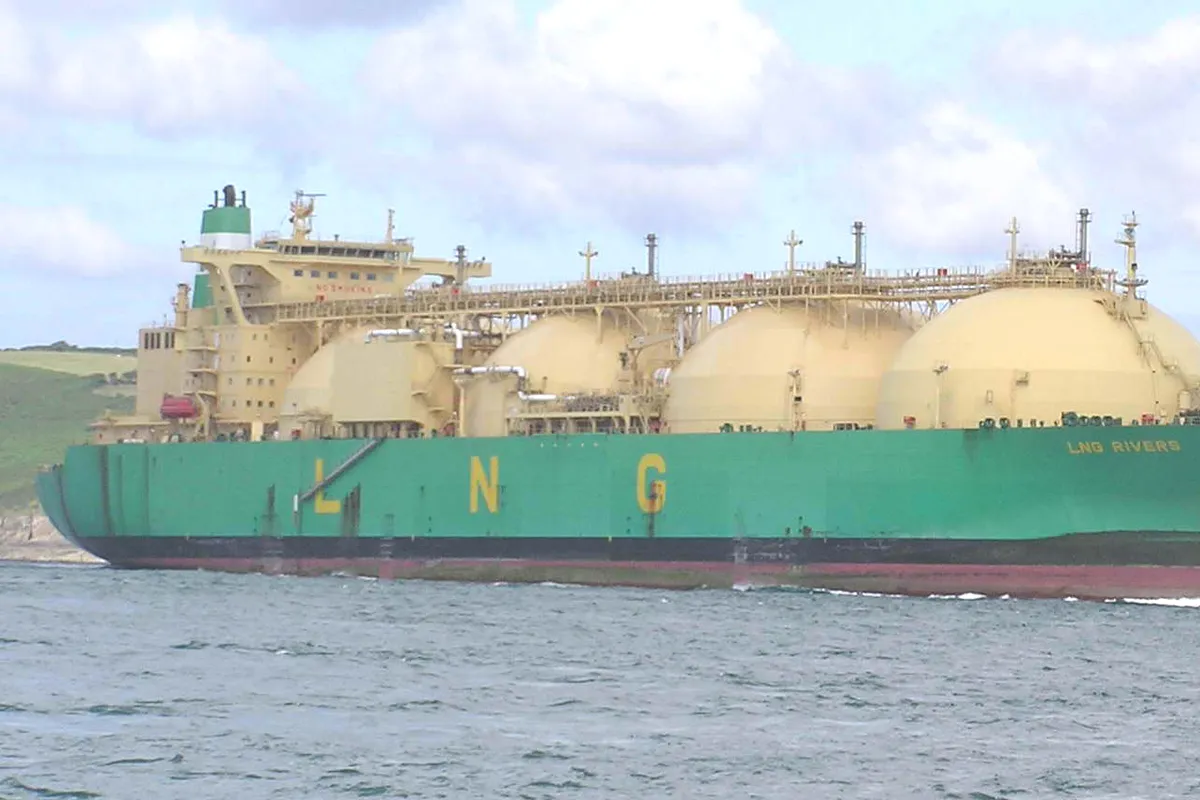
An analysis by HGK Puls for the first five months reveals that behind the overall growth lies a pronounced dependence on the energy sector. As much as 71 percent of the increase in exports during that period came from mining and quarrying activities. In this category, export value surged by 842.7 million euros, primarily due to LNG exports.
In addition to energy, growth was supported by the chemical sector, particularly fertilizer exports, and the production of electrical equipment, where the increase is linked to higher exports of battery systems.
Already in the first five months, exports grew almost twice as fast as imports, so the foreign trade deficit narrowed by 1.3 percent, to 8.5 billion euros.
The double-digit growth in exports is certainly a positive indicator, but the structure of that growth suggests caution. When the bulk of the increase is due to energy and fluctuations in gas and oil prices, the result should not automatically be considered equally strong growth for the entire Croatian export sector.
However, a key change is evident: exports are growing significantly faster than imports. If this trend continues, along with an expansion of higher value-added industrial exports, Croatia could gradually reduce one of its long-standing economic challenges, the large merchandise trade deficit.