Iran and Oman Shape the Fate of the Strait of Hormuz
The US, Iran, and Oman are close to a temporary agreement to reopen the key waterway, but the proposal for control and fees is drawing sharp reactions.
The US, Iran, and Oman are close to a temporary agreement to reopen the key waterway, but the proposal for control and fees is drawing sharp reactions.
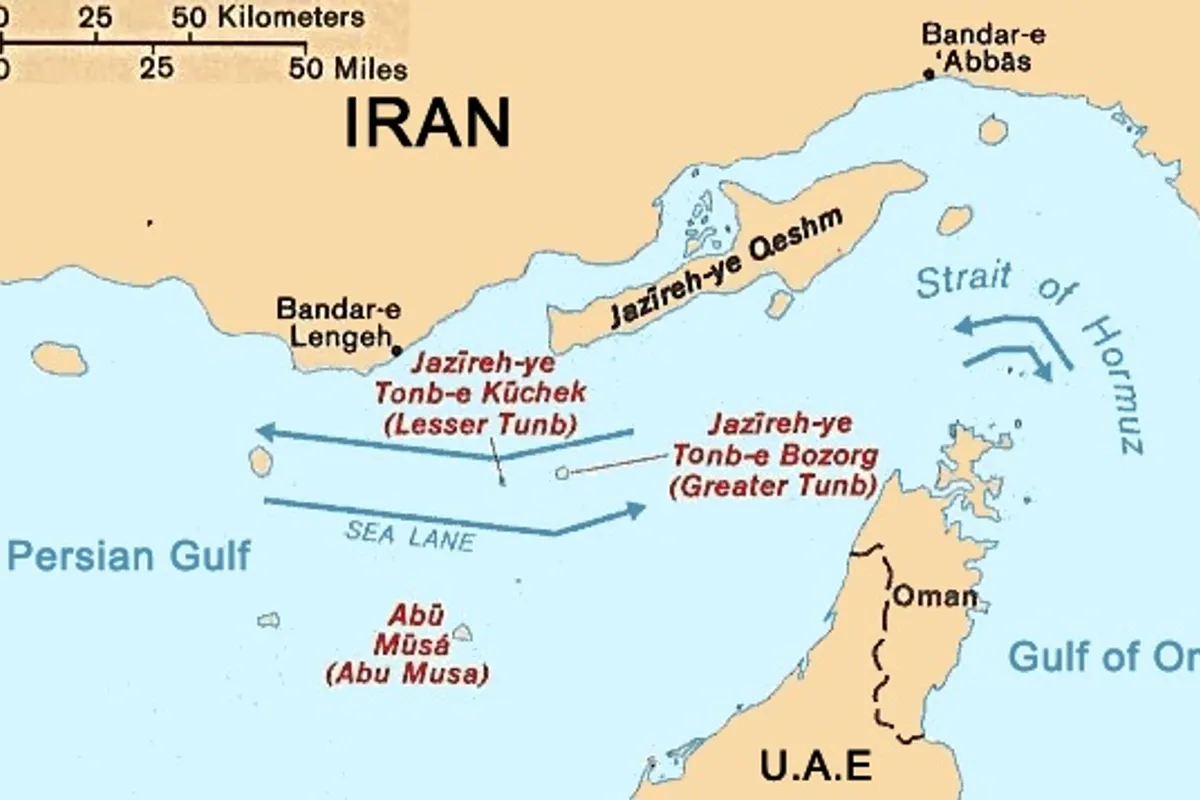
As tensions from the conflict that began in February continue to simmer in the waters of the Strait of Hormuz, diplomatic channels between Iran, Oman, and the United States are working at full throttle. According to information released by Axios on Tuesday, the administration of President Donald Trump plans to announce a temporary agreement on Wednesday, August 5, 2026, to reopen this strategically vital maritime passage. Meanwhile, according to El Mundo, Trump recently backed down from a new major attack on Iran, even though, according to US sources, missiles were ready, targets were set, and forces were prepared for what the president himself described as "the largest attack since World War II."
The proposed agreement, which is set to last 60 days, envisions the resumption of commercial shipping traffic, the continuation of the ceasefire between the US and Iran, and the restart of negotiations on Iran's nuclear program. A key technical detail is the division of routes: inbound traffic would pass through Iranian waters, while outbound traffic would go through Omani waters, coordinated with Tehran. Both sides would also work together to clear naval mines to establish a permanent corridor.
However, sources differ on the financial terms. Axios reports that no transit fees would be charged. At the same time, El Mundo, citing Iranian sources close to Reuters, reports a different arrangement: Tehran would oversee the entry of ships, and Muscat would approve their exit, with a split of a "service fee" to cover "environmental impact" and vessel safety. "It is unlikely that Tehran will accept any other alternative for reopening the strait," an Iranian source told Reuters.
This idea of Iranian control and toll collection has met with strong opposition in Washington. President Trump, who said on Monday that the strait could reopen "within hours," rejects the possibility of Iran managing traffic or imposing shipping tolls. Secretary of State Marco Rubio warned of creating a dangerous precedent. "If in the Middle East one country can decide to control an international waterway, charging tolls and, if not paid, blowing up ships, we will create a very dangerous precedent that will be repeated in other parts of the world," Rubio stated, while confirming that negotiations with Iran and Oman are ongoing.
From the Iranian side, the tone is cautious. Foreign Ministry spokesman Esmaeil Baqaei stated that the agreement with Oman "has nothing to do with whether the Strait of Hormuz will reopen or remain closed," adding that it remains to be seen "whether the pact can lead to a calming of regional tensions."
The diplomatic shift comes at a time of significant pressure from regional powers. Saudi Crown Prince Mohammed bin Salman warned Trump on Saturday, August 2, that a major US attack on Iran would likely trigger Iranian retaliation against energy infrastructure in the Gulf. "The Saudis expressed concern and asked for clarification of the plan of action," a US official told El Mundo. This call for restraint came despite the joint US-Saudi strike on Iranian-backed militias in Iraq last week.
Other regional powers, including the United Arab Emirates, Turkey, and Pakistan, are also pressuring Washington and Tehran to de-escalate tensions. Qatar, acting as a mediator, said on Tuesday that diplomatic efforts are ongoing, but there are no direct talks between the warring parties. Meanwhile, according to CNN and the Wall Street Journal, Vice President JD Vance and Chairman of the Joint Chiefs of Staff, General Dan Caine, warned Trump that continuing the current intensity of fighting could deplete key stocks of interceptor missiles needed for potential future conflicts, especially with China or Russia.
Amid the diplomatic activity, violence continues. On Tuesday, a projectile of unknown origin struck a ship off the coast of Oman, one of more than 60 attacks in the strait area since the war began in February. Iranian Foreign Minister Abbas Araghchi, meanwhile, made a pilgrimage to the Iraqi holy city of Karbala for the Arbaeen commemoration, describing the event as a demonstration of unity between the two countries amid regional uncertainty.
While an agreement with Oman would represent a diplomatic victory for Iran and solidify its influence in the region, the final outcome remains uncertain. The world eagerly awaits the announced statement from Washington, which could bring temporary calm but also raise new questions about the future control of one of the world's most vital shipping lanes.