As tense negotiations over the fate of the Strait of Hormuz, a vital artery for global oil transport, continue, Iran is intensively using the ceasefire period to bolster its military power. Iranian military spokesman Mohammad Akraminia told state television that the country has "maximally utilized the opportunity of the memorandum of understanding and every moment of the ceasefire." The memorandum, signed with the United States in June 2026, is currently suspended, but Tehran is not wasting time.
Rebuilding and Reinforcing Amid Uncertainty
Akraminia clarified that during the ceasefire, efforts to integrate existing equipment into the armed forces, import new equipment, and repair, recover, or produce new damaged systems have been accelerated. Acting Iranian Defense Minister Majid Ebn-e Reza stated last month that missile and drone production "has not stopped for a single day" and that drone production has reached three times the level before the war, which began on February 28, 2026.
Former senior commander of Iran's Islamic Revolutionary Guard Corps (IRGC), Hossein Kanani Moghaddam, revealed details of the modernization to Al Jazeera. "We are improving domestic production and quality. Our previous missiles have been improved in terms of range and warhead destructive power," he said. He added that Iran has stockpiles in "underground cities of missiles and drones," with new components gradually entering operational lines. According to US media reports from June, Iran has retained approximately 70 percent of its pre-war missile stockpiles and about 40 percent of its drone arsenal.
Divergent Views from the Negotiating Table
While Iran strengthens its military, signals from the diplomatic front are contradictory. US Treasury Secretary Scott Bessent surprised markets with a statement to CNBC that a deal could be reached "today or tomorrow." "We are in negotiations with the Iranians. There is a possibility that we reach an agreement today or tomorrow to open the strait and move toward a more normalized situation in this conflict," he said. His remarks caused oil prices to drop by more than 5%.
US President Donald Trump, on his social media platform Truth, accused Iran of duplicity. "They are asking for a meeting, some would say 'begging'," he wrote, adding: "Talks have begun, with others scheduled soon, and they claim, openly and proudly, that they are not in negotiations, that they are not discussing anything, and that they only deal with Oman."
Secretary of State Marco Rubio, who spoke about the progress of negotiations during a meeting with Paraguayan Foreign Minister Rubén Ramírez Lezcano at the signing of a nuclear cooperation memorandum, tried to bring some clarity. "There is dialogue in the negotiations we are involved in between Oman and Iran on how to allow more ships to safely cross the strait in the short term, while we move toward long-term talks on the nuclear issue. Progress has been made, but a conclusion has not yet been reached," Rubio stated, adding that he believes a deal will be finalized "very soon."
Contrary to the optimism from Washington, sources close to the negotiations paint a different picture. According to the Wall Street Journal, the positions of Iran and the US remain "diametrically opposed." Tehran first demands security guarantees, an end to the naval blockade, and the lifting of sanctions on the oil sector, while Washington and Arab monarchies insist on the initial opening of the strait. Iran also seeks payment for ships passing through the strait. Additional pressure on the US administration comes from a financial factor: the US Congress has refused to approve $88 billion for a military operation against Iran.
Conflicts Continue Despite Ceasefire
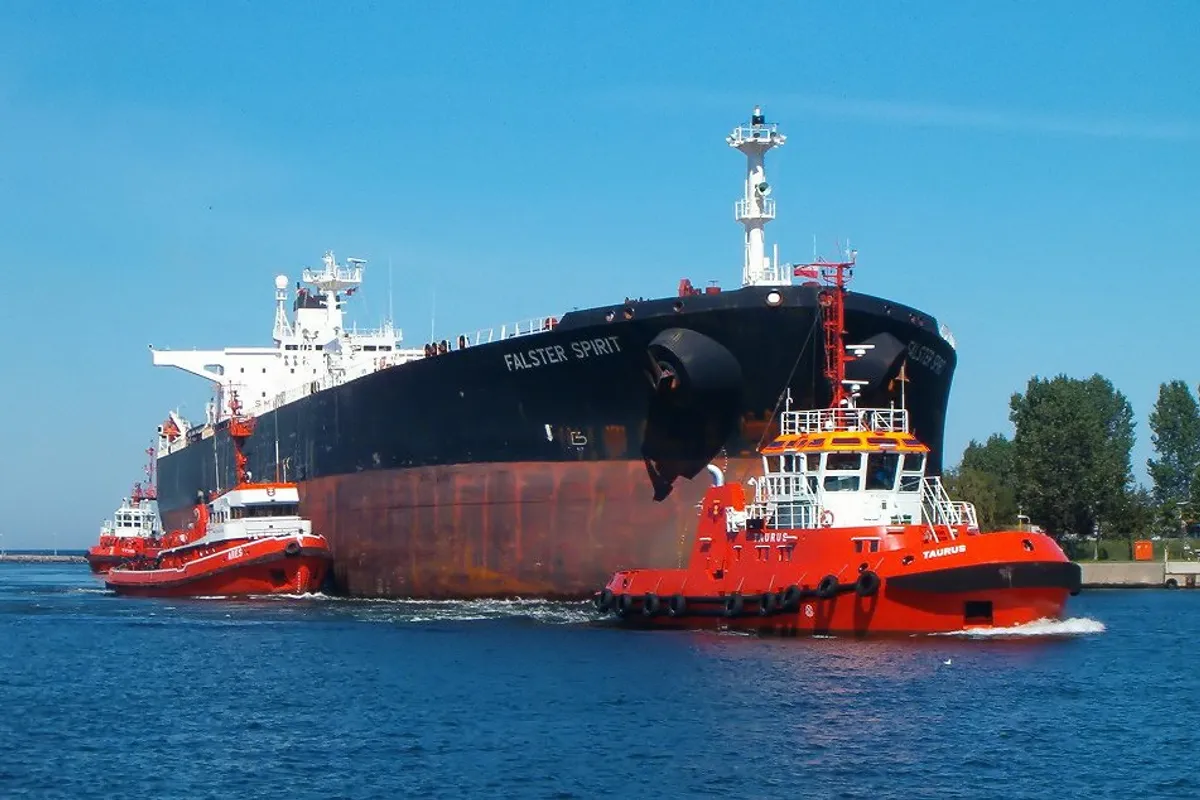
Tensions in the region are not subsiding. Yemen's Houthis, allies of Iran, announced on Tuesday that they had carried out a successful drone attack on Najran airport in Saudi Arabia. In the Red Sea, a cargo ship flying the Indian flag was hit by an explosive device placed on a boat, about 13 nautical miles (24 km) north of the Yemeni port of Hodeidah. All 14 crew members were rescued, the Foreign Ministry in Delhi announced.
Meanwhile, the US Central Command (Centcom) reported that as of August 4, 2026, its forces had diverted 45 commercial ships, disabled two, and boarded two others. Despite everything, Iranian Foreign Ministry spokesman Esmaeil Baghaei described the negotiations as "positive on both the technical and political levels."