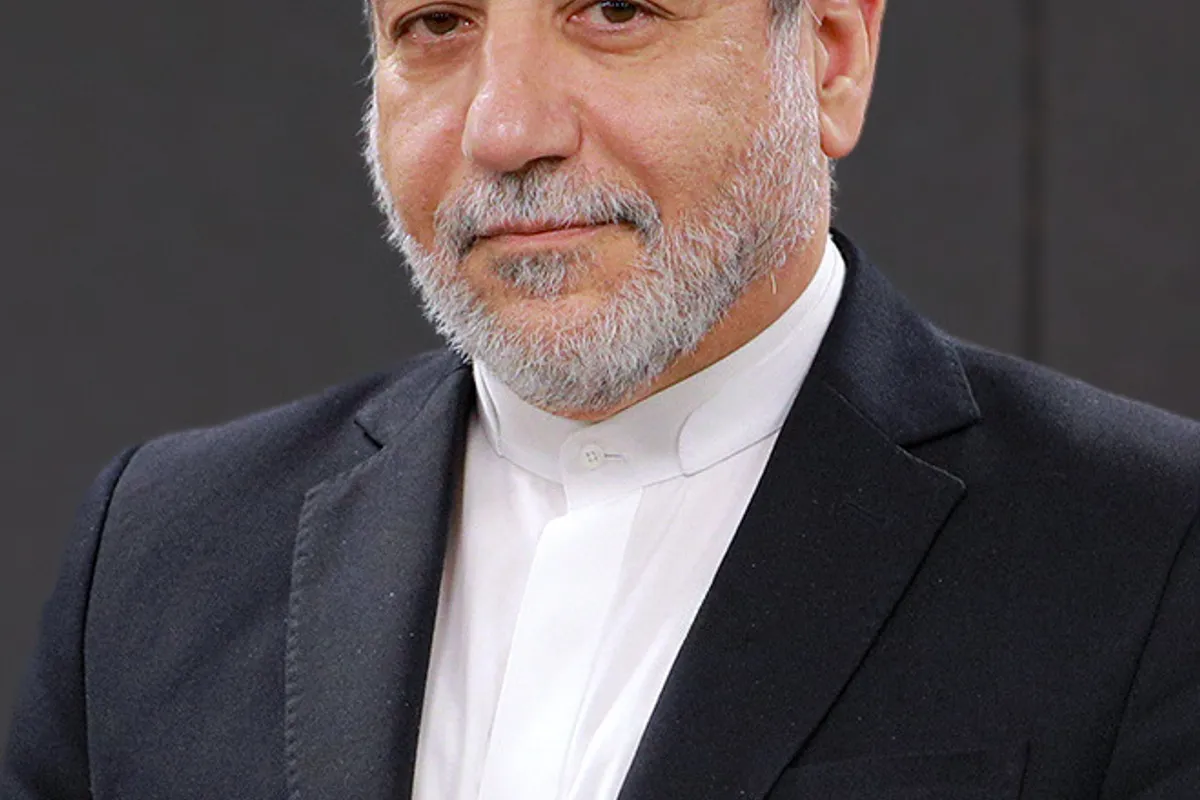
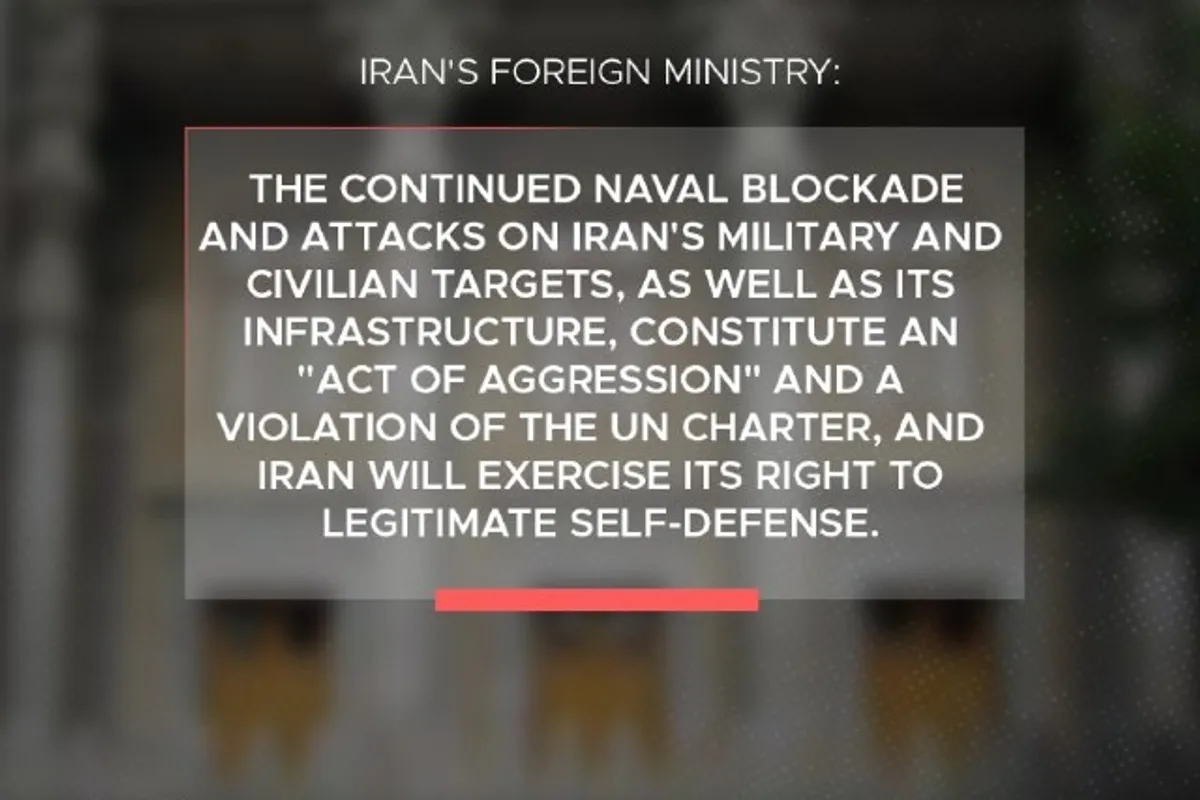
Tensions between the US and Iran reached a new level on Saturday, August 2, 2026. Iranian Foreign Minister Abbas Araghchi warned of a 'decisive and proportionate response' to any US 'aggression,' while US embassies across the Middle East urged their citizens to consider leaving the region due to the threat of 'unforeseen escalation.'
The warning from Tehran came a day after US President Donald Trump threatened to strike Iran 'very hard,' according to Al Jazeera. Araghchi conveyed his message in separate phone calls with Turkish Foreign Minister Hakan Fidan, Pakistani Chief of Army Staff Asim Munir, and Saudi Foreign Minister Faisal, as reported by Iran's state news agency IRNA.
Background of the Conflict and Spreading Instability
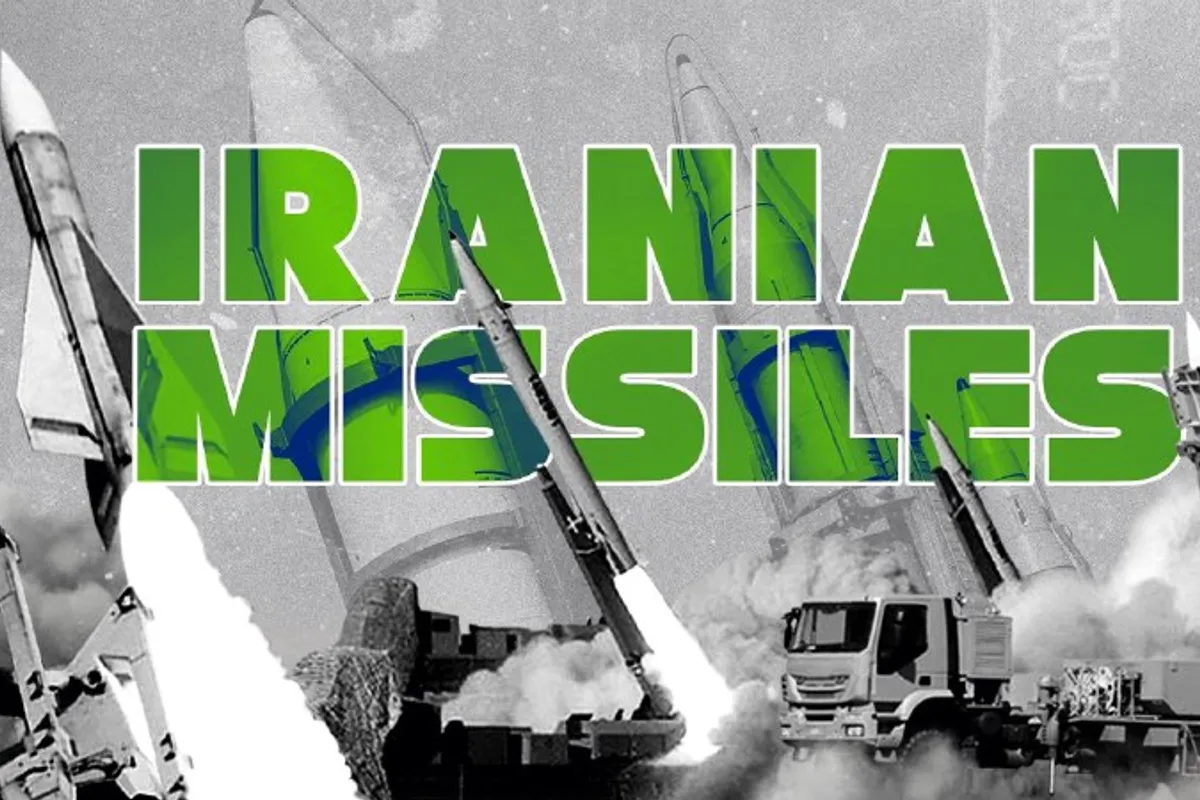
The war between Iran and the US has been ongoing since February 28, 2026, when the US and Israel launched attacks on Iran, and Tehran retaliated with missile and drone strikes across the region, according to Punch. After a ceasefire period that collapsed, hostilities resumed. No new strikes were reported overnight from Friday to Saturday, but the situation remains highly volatile.
On Wednesday, a drone struck a US-owned gas carrier anchored in an Egyptian port, sparking a fire. Egypt is investigating but has not blamed any group. Meanwhile, the British maritime agency reported on Saturday that an 'unknown projectile' hit a tanker off the coast of Oman, amid the struggle for control over the Strait of Hormuz. Since the start of the war, Iran has effectively taken control of shipping through Hormuz, requiring permits and charging transit fees. The maritime trade monitoring firm Kpler reported that traffic through the strait has 'plummeted.'
Strong Warnings and Diplomatic Activity
The security alert from US embassies in Bahrain, Iraq, Israel, Jordan, Kuwait, Lebanon, Oman, Qatar, Saudi Arabia, and the United Arab Emirates urged citizens to 'consider leaving or be prepared to depart in case of escalation,' according to Punch. Americans in the region were advised to be vigilant about possible flight cancellations, temporary airspace closures, and potential travel disruptions. The embassy in Jerusalem described the Iranian regime as 'unpredictable,' citing recent attacks without warning and the expansion of attacks to areas previously not targeted, such as Egypt.
At the same time, Iranian officials have intensified their rhetoric. The head of Iran's central military command, Ali Abdollahi, accused Washington of 'escalating tensions' and stated that 'any country that serves as a defensive shield for criminal and aggressive America will be engulfed in the flames of war.' An adviser to Iran's supreme leader, Mohammad Mokhber, further threatened on social media platform X: 'You calculate with military equations, but we respond with the logic of history. A direct attack on Iran's infrastructure awakens the fault lines on which 250 years of your hegemonic architecture is built.'
Regional Front and Claims of Military Successes
On the Lebanese front, the Israeli military announced on Saturday that it had killed three Hezbollah fighters in southern Lebanon, while one of its soldiers was moderately injured in a close encounter with militants. Meanwhile, Iran's state news agency IRNA, citing the Islamic Revolutionary Guard Corps (IRGC), reported the alleged destruction of three US F-35 fighter jets in Jordan, as reported by Ateobreaking. This claim has not been confirmed by other sources, and it should be noted that it comes from an Iranian state media outlet, raising the possibility of a propaganda dimension to the announcement.