Iranian authorities are preparing for a new phase of conflict with the United States and Israel, and according to a Wall Street Journal report citing Arab intelligence sources, Tehran has devised an escalation plan aimed at inflicting such damage on its enemies that it would prevent a repeat of massive strikes on Iran.
According to the Jerusalem Post, which relays the report, Iran's political leadership has expanded the Islamic Revolutionary Guard Corps' (IRGC) control over the regular military and has placed "hawks" in key positions who advocate strikes on Arab countries hosting US bases.
Field Preparations: Advisors in Iraq, Yemen, and Lebanon
Part of Iran's preparations included sending advisors to Iraq, Yemen, and Lebanon to coordinate plans with proxy militias. Officials familiar with the findings of Arab intelligence agencies stated that the IRGC has sent commanders to assist the Yemeni Houthi group, overseeing the deployment of missiles and other weapons aimed at the Red Sea, and providing them with target lists and general guidelines.
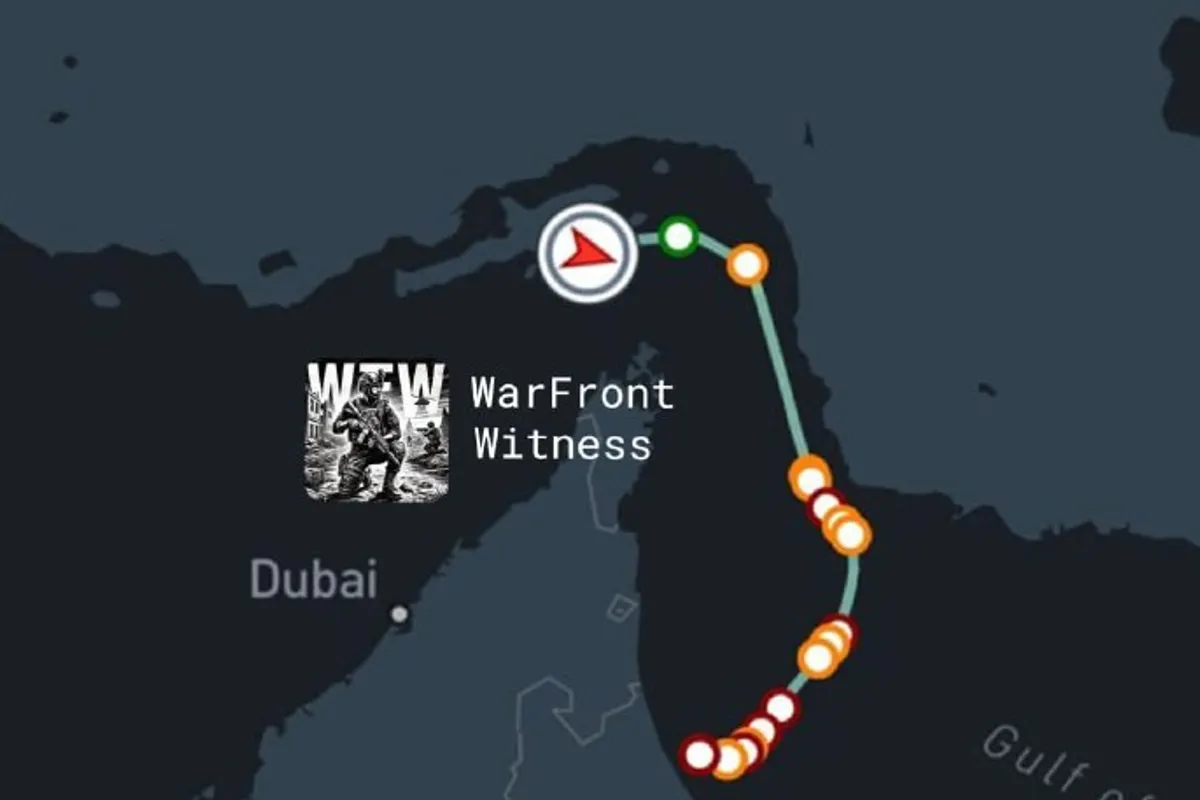
The IRGC has also threatened Gulf states that it will target their energy facilities if the US attacks Iranian ones, including providing lists of specific targets. Other planned escalation options include sabotage of undersea internet cables, fomenting political unrest in Bahrain and Kuwait, and even a potential ground operation in Kuwait.
"The Main War Hasn't Even Started Yet"
Mohammad Hassan Sangtarash, a Tehran-based defense analyst close to the Iranian government, told the Wall Street Journal: "In Iran, there is also a widespread belief that the main war hasn't even started yet. What we've seen so far is increasingly interpreted through the lens of 'salami-slicing' tactics-limited, gradual escalation designed to weaken capabilities before a larger conflict."
Alan Eyre, a former senior US diplomat and nuclear negotiator with Iran, believes that war is Iran's fundamental starting point. "Iran will remain in a state of war, preparing for a subsequent attack," Eyre said.
Vahidi's Appointment Signals Enduring Confrontation
One example cited by the WSJ is the recent appointment of Ahmad Vahidi as the new commander of the Revolutionary Guard. Saeid Golkar, an expert on Iranian security services at the University of Tennessee at Chattanooga, assessed that Vahidi's appointment is "consistent with a leadership preparing the security establishment for a period of enduring confrontation, not a return to normal peacetime politics."
The WSJ report was published on August 17, 2026, and according to the Jerusalem Post, Iran viewed the memorandum of understanding with the US as an attempt by Israel and Washington to buy time for a larger attack, so it used that time for its own preparations for a broader conflict.