Iran Weighs Attacks on US Targets in Europe
Sources close to the regime claim strikes on bases in Bulgaria and Cyprus are being assessed, while analysts warn the threat is real but limited.
Sources close to the regime claim strikes on bases in Bulgaria and Cyprus are being assessed, while analysts warn the threat is real but limited.
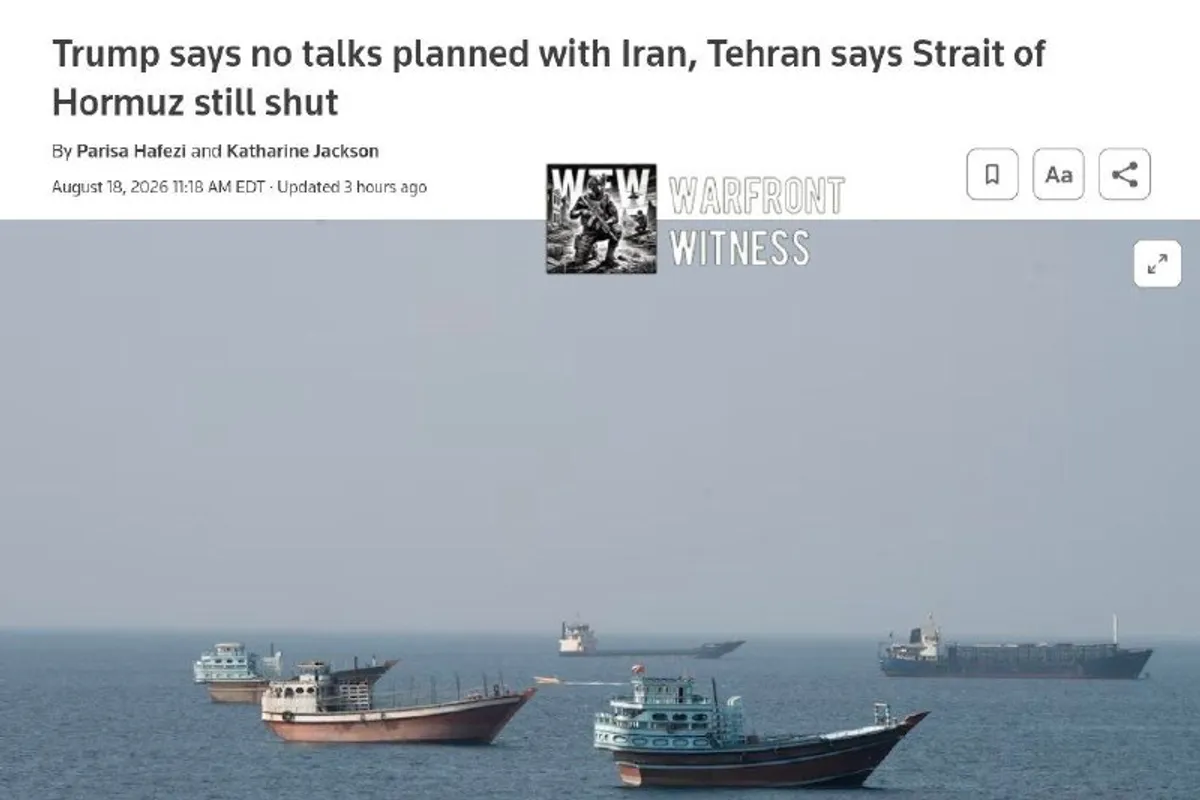
Iran is considering the possibility of attacking US military targets in Europe if US President Donald Trump escalates the conflict, according to two people close to the Iranian regime. They claim that Iranian forces have been assessing strikes on US facilities in southeastern Europe, including Bulgaria's Bezmer Air Base, as well as targets in Cyprus.
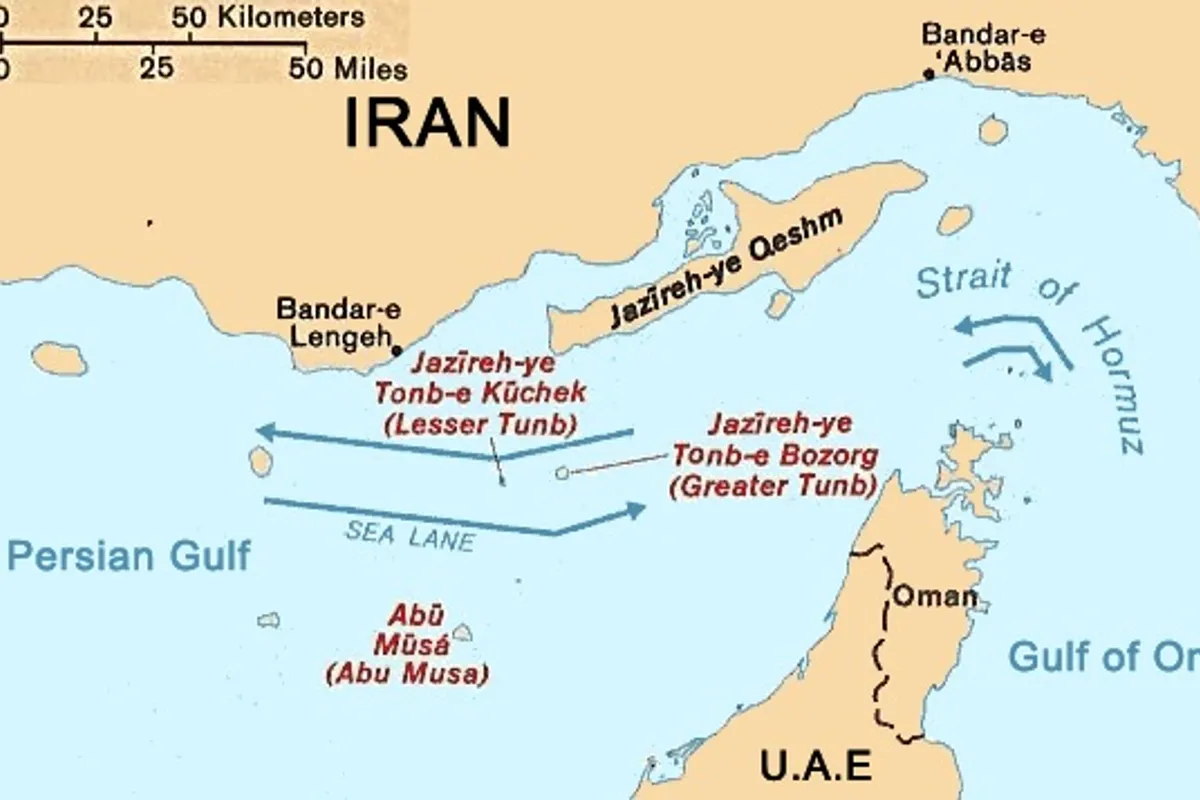
According to FT.com, as reported by Disclose.tv, underwater fiber-optic cables in the Strait of Hormuz are also under consideration. These threats come as Tehran's stance hardens, with Supreme Leader Ayatollah Mojtaba Khamenei appointing hardliners to top security positions last week.
Analysts from think tanks RUSI and IISS assess the European threat as "real but limited." Sidharth Kaushal of RUSI noted that Iran's Shahab-series missiles would struggle to inflict damage at longer ranges.
Douglas Barrie of IISS added that attempts to strike the US base at Diego Garcia in the Indian Ocean indicate Iran possesses weapons with a range exceeding 2,000 kilometers. However, it remains an open question how many such weapons Tehran has and whether it would expend them on a symbolic act.
Trump stated on Tuesday, August 18, 2026, that there are no planned talks with Iran and insisted the Strait of Hormuz remains open. On the other hand, Tehran claims the strategic waterway will remain closed until Washington meets the terms of the interim agreement signed in June 2026.
Those terms include lifting the blockade on Iranian ports and oil sanctions, releasing frozen Iranian assets, and ceasing US military operations and threats. The conflicting positions of the two sides are adding pressure on regional governments, as well as global shipping and energy markets.
Bulgaria last month approved the use of Bezmer Air Base for US aircraft refueling, which Tehran has now identified as a potential target. This escalation in rhetoric and military preparations further raises tensions in a region already feeling the effects of disrupted maritime traffic through the Strait of Hormuz.
Bulgarian authorities have heightened security measures at Bezmer Air Base following reports of possible Iranian attacks. Interior Minister Ivan Demerdzhiev stated that "all possible measures" have been taken in coordination with the Ministry of Defense. "We are constantly monitoring the situation and developments, and we will continue to take preventive measures that are significantly more extensive and intensive than the level of threat indicated by the information currently at our disposal," Demerdzhiev said, as reported by BTA.
Modern counter-drone systems, missile systems, and powerful radars have been deployed at Bezmer, according to BNT. The Bulgarian parliament approved on July 22 the deployment of up to eight US KC-135 aircraft and up to 250 troops, from July 24 to October 1, as logistical support for US operations in the Middle East. Prime Minister Rumen Radev emphasized that no combat operations would be conducted from Bulgarian territory.
NATO has responded by stating it is ready to respond to any threat and protect allies, reminding that its air defense intercepted ballistic missiles fired from Iran toward Turkey multiple times earlier this year. US-Iran talks have stalled since the memorandum of understanding signed in June, while Iran and Oman continue discussions on the navigation regime in the Strait of Hormuz, with no final agreement yet.