Last Sunday, under very strict security measures, Daniel Kinahan, who heads the notorious Kinahan clan and is considered one of the most influential figures in the global underworld, was transferred from the United Arab Emirates to Ireland. His extradition marked the symbolic end of the powerful supercartel, a business consortium that, alongside him, included Ridouan Taghi, Raffaele Imperiale, and Edin Gačanin, a Bosnian national better known by his nickname Tito.
Over the past decade, the four had lived in Dubai, from where they ran extensive criminal operations worth tens of billions of euros, according to estimates by the U.S. Drug Enforcement Administration (DEA). The fall of the supercartel began with the arrests of Taghi and Imperiale, after which Gačanin struck a deal with the Dutch judiciary. Kinahan remained at large the longest, building an image of a respectable businessman with no criminal record, including in the world of professional boxing.
A Perfect Division of Labor
The supercartel did not operate under a vertical hierarchy with a single leader at the top, but rather as a kind of business consortium in which a Moroccan, an Italian, an Irishman, and a Bosnian integrated their separate networks. The goal was clear: to take control of up to a third of all cocaine imports into Europe.
Gačanin was the main bridge to producers in South America and coordinated maritime transport to Europe. Taghi controlled ports in the Netherlands and Belgium and distribution in the north of the continent. Imperiale was responsible for money laundering, connections in Italy, and importing goods through southern European routes. Kinahan established supply routes to the UK and Ireland, including key routes that passed through Panama and Mexico.
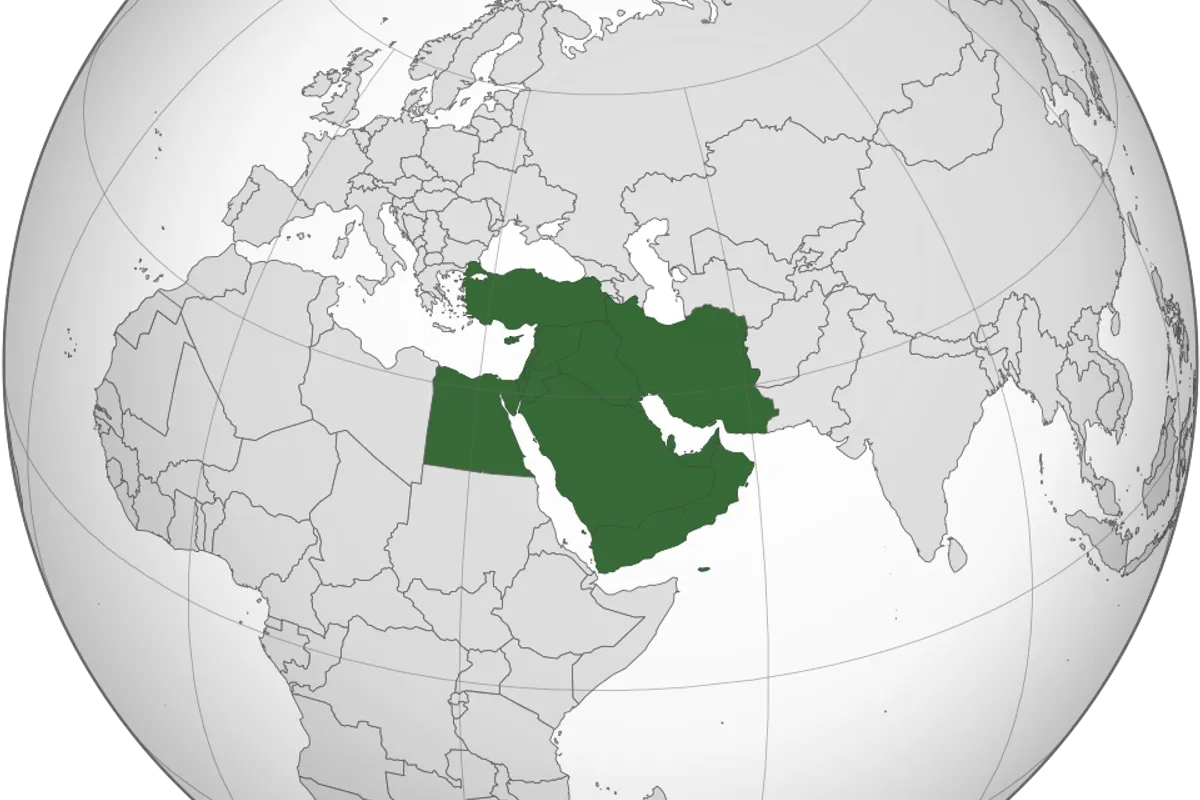
Dubai served as a place where they could enjoy luxury and be safe, as the UAE had no extradition agreements with European countries for many years. There, they posed as legitimate businessmen, set up shell companies in the Virgin Islands and the Emirates, and laundered vast sums of money, amounting to hundreds of millions of euros, through real estate and expensive projects.
The Wedding That Exposed Everything
Investigators' eyes were opened by photographs from Daniel Kinahan's wedding in 2017 at the lavish Burj Al Arab hotel in Dubai. The DEA secretly photographed the event and launched an operation that would lead to the exposure of the entire network. French, Belgian, and Dutch police managed to crack the encrypted apps used by cartel members to communicate, reading their messages, plans, and agreements in real time.
When the criminals realized they had been exposed, the Americans and Australians fed them a new, supposedly ultra-secure app called ANOM. Everything that passed through it ended up on FBI servers, and the underworld was unaware of this. The culmination of these efforts was Operation Desert Light in late 2022, when Europol coordinated mass raids in Europe and Dubai, arresting dozens of key operatives and dismantling the entire logistics network in European ports.
Sentences and Plea Deals
Ridouan Taghi was sentenced in 2024 by the District Court in Amsterdam to life imprisonment for a series of murders and drug trafficking. Due to fear of underworld retaliation, the verdict was delivered at the De Bunker court complex near Schiphol Airport, and the identities of the judges were never disclosed.
Raffaele Imperiale, who earned the nickname Van Gogh because two stolen paintings by the famous Dutch artist were found in his possession, has been serving a 15-year prison sentence in Italy since the summer of 2024. He reportedly cooperated and fully exposed the supercartel, handing over to the state an artificial island called "Taiwan" in Dubai, valued at around 60 million euros, as well as several million euros in Bitcoin.
Edin Gačanin was arrested in Dubai in November 2022, but was released after only two months due to a procedural error. That marked the beginning of his guilty plea and sentence of seven years in prison, along with a fine of one million euros. Many believe that sentence was too lenient, given that he was charged with smuggling 2.4 tons of cocaine and was considered by the DEA to be one of the main players in the European market.
A Minister in Dubai and Ties to Bosnia's Top Leadership
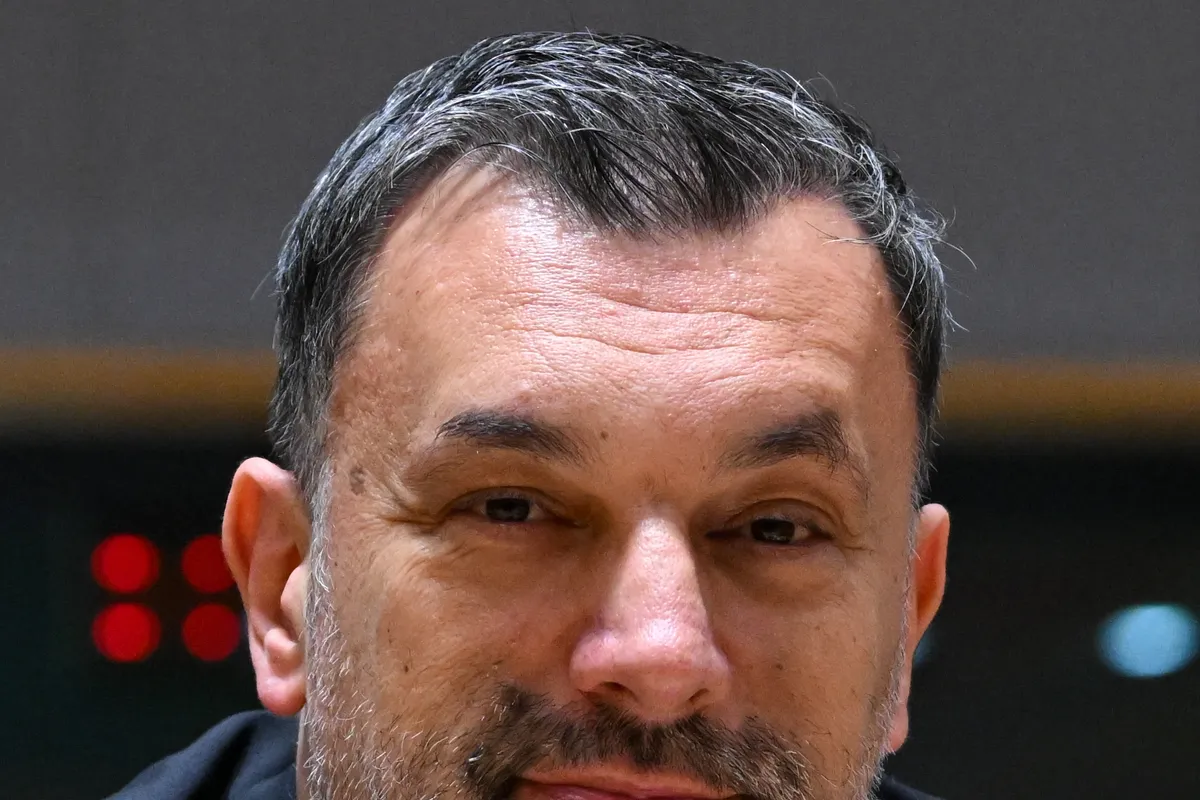
The case of Edin Gačanin is particularly interesting due to its connections to the very top of Bosnia and Herzegovina's government. Twelve months before he was sentenced, he was seen in Dubai in the company of Elmedin Konaković, who is the Minister of Foreign Affairs of BiH. This all came to light thanks to messages from the Sky app and encrypted phones used by Gačanin and his bodyguard Dženis Kadrić, a former special police officer. Konaković defended himself by saying he was invited by a "group of citizens from BiH," but never explained how the passport numbers of himself, his wife, and his child ended up in the phones of Tito and Kadrić.
The man who connected them is Gordan Memija, the son of Mufida Memija, a former Sarajevo TV journalist and advisor to Alija Izetbegović. Memija has a godfather relationship with Konaković, and Europol has identified him in its analyses as one of Gačanin's associates. In court, he testified about meeting Gačanin in 2016 in Sarajevo.
He's not my friend; he's an acquaintance. I met him when he came to Sarajevo, that was four or five years ago. I picked him up at Sarajevo airport. I was renting cars at the time. That car was registered to my company for use. I didn't rent the hotel room for him; I just booked it at the Hotel Bristol. Edin's mother is a friend of mine, and she asked me to help him with a few things when he arrived, so I did.
When Gačanin visited Sarajevo, and also Croatia, he was accompanied by several members of the special unit of the federal MUP, who were formally on sick leave. As a token of gratitude, he gifted the police 75 sets of multi-purpose specialist tactical uniforms.
The Uncle Who Turned Informant
The key witness against Gačanin is his uncle Mirza Gačanin, who was like a second father and mentor to him. Together they fled war-torn Sarajevo to the Netherlands and turned to crime, but their roles changed when the uncle got scared and became a police informant, prompted by information that his nephew was planning to kill him. Mirza Gačanin was sentenced in 2022 to four years in prison for money laundering and now lives freely, fearing Tito's revenge and extradition to Bosnia and Herzegovina.