Israel Digs Crocodile Moat Around Prison, Court Halts Project
Minister Ben Gvir wanted to use Nile crocodiles to intimidate Palestinian prisoners, but a court has temporarily banned the acquisition of the animals while a legal dispute continues.
Minister Ben Gvir wanted to use Nile crocodiles to intimidate Palestinian prisoners, but a court has temporarily banned the acquisition of the animals while a legal dispute continues.
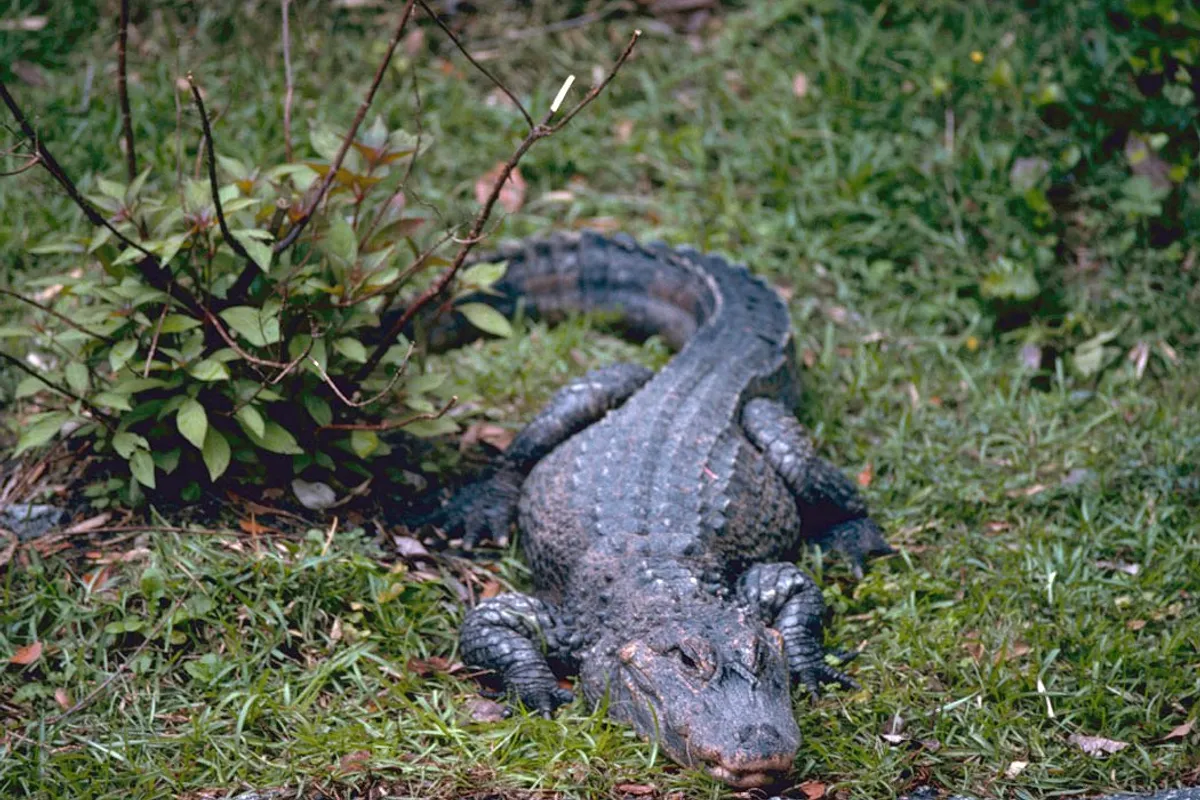
Israeli authorities have begun digging a 170-meter-long moat around one wing of the Keciot prison in the Negev desert, with the intention of placing Nile crocodiles in it. The plan, initiated by National Security Minister Itamar Ben Gvir, is intended as an additional escape deterrent and a means of intimidating Palestinian prisoners, but it has met with strong opposition and legal obstacles.
The project has already received significant funding. According to available information, about 5.5 million euros, or 21 million shekels (about 6.9 million dollars), have been allocated for it by the Ministry of National Security for a pilot project. Prison officials have already studied the keeping of crocodiles, and infrastructure work is underway.
To circumvent regulations that do not allow keeping crocodiles in a prison, Environmental Protection Minister Idit Silman issued a decision on July 15, 2026, classifying the Nile crocodile as a "managed wild animal" or "wild animal cared for by humans." This move attempted to allow their keeping outside zoos, but the decision was made despite opposition from the legal adviser of her ministry and the Israel Nature and Parks Authority.
Ben Gvir presented the project as a security measure, but his statements also reveal a symbolic dimension. After the court decision, he stated that prisoners are "trembling" at the possible arrival of crocodiles, and he accused the court of siding with "terrorists." Minister Silman earlier claimed that it is about "deterrents and security measures in prisons."
The Jerusalem District Court issued a temporary injunction on Sunday evening, August 2, 2026, against the search, preparation, and transport of crocodiles to Keciot prison. Judge Avraham Rubin ruled that the claims of potential harmful consequences need to be examined. The temporary measure will remain in effect until the authorities submit their response to the court, which is expected by mid-August 2026.
It is important to note that the court decision does not cover the digging of the moat, so infrastructure work can continue. It is not yet known whether crocodiles will ultimately be allowed to be brought into the moat.
The project was challenged in court by the Israeli animal protection association Let the Animals Live, with support from the Clinic for Environmental Justice and Animal Rights at Tel Aviv University. The lawsuit states that Minister Silman's decision "changes the legal status of crocodiles and abolishes the control and licensing mechanisms that apply to them as protected wild animals."
"Crocodiles are not weapons, a means of punishment, or a backdrop for a political campaign," said Let the Animals Live. Experts have also warned that there is no known modern example of using crocodiles to guard a prison, highlighting the danger to animals, prisoners, guards, and the environment.
Keciot prison is located in southern Israel, in the Negev desert, and its high-security wing houses Palestinian security prisoners, including members of Hamas from the Gaza Strip. According to data from Palestinian and Israeli human rights organizations, there are currently about 9,500 Palestinian prisoners in Israeli prisons, including women and children, and dozens have died as a result of starvation, torture, and denial of medical care.
Since taking office at the end of 2022, Minister Ben Gvir has overseen the tightening of conditions for Palestinian prisoners, including a policy of starvation, denial of medical care, torture, and solitary confinement.