Israel Prepares for Independent Strike on Iran
While Washington seeks a diplomatic exit from the conflict and negotiates the reopening of the Strait of Hormuz, Israel is preparing its armed forces for a possible unilateral strike.
While Washington seeks a diplomatic exit from the conflict and negotiates the reopening of the Strait of Hormuz, Israel is preparing its armed forces for a possible unilateral strike.
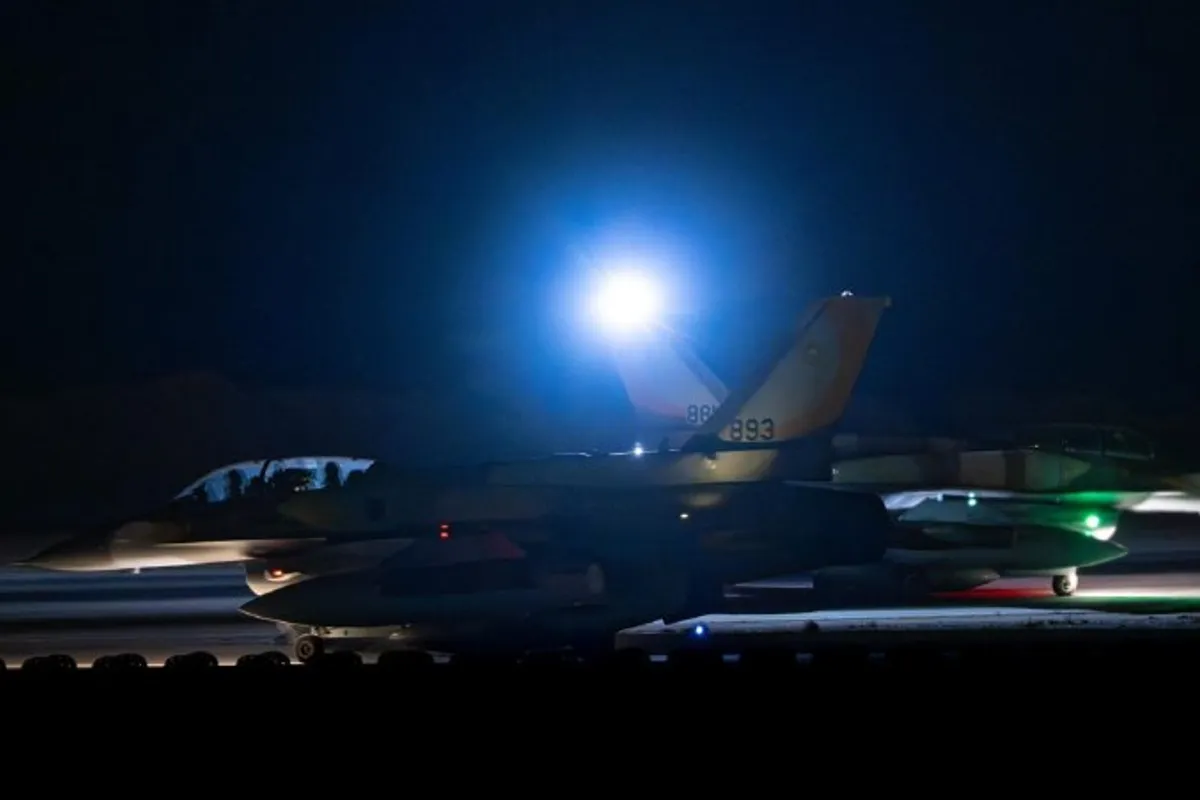
The Israel Defense Forces (IDF) are preparing for the possibility of an independent strike on Iran, without the support of the United States, Israel's Channel 13 reported on Saturday. The news comes as voices within the US administration grow louder about the need to find a diplomatic solution to the months-long conflict.
According to the channel, the IDF is developing strategies for a strike on the Islamic Republic, signaling Israel's deep dissatisfaction with recent progress in negotiations that could lead to the reopening of the strategically important Strait of Hormuz.
On the same day, the commander of US Central Command (CENTCOM), Admiral Brad Cooper, arrived in Israel. He will discuss several topics with senior Israeli military officials, including the war in Iran and the situation in the Gaza Strip.
His visit coincides with a CNN report published overnight, stating that General Dan Caine, Chairman of the US Joint Chiefs of Staff, is seeking an "off-ramp," or an exit strategy, from the war with Iran. A day earlier, a US official reported progress in negotiations between Iran and Oman that could soon result in the reopening of the Strait of Hormuz.
Although Israel retains the ability to strike Iran without American assistance, the scale of damage it can inflict is extremely limited. The IDF lacks the means to attack Iran's last alleged nuclear facility, Pickaxe Mountain, which is buried deep underground. It also lacks the capacity for effective strikes on Iran's missile tunnels.
All other known above-ground targets, such as missile and drone production facilities, were hit at the peak of last year's war. Despite this, Israel can carry out targeted killings or even strike civilian infrastructure in Iran. In any case, the Islamic Republic's response is guaranteed.
The main purpose of any independent Israeli strike would likely not be directly military, but rather to re-engage the US in the war and sabotage the emerging agreement. In the event of an IDF attack on civilian infrastructure, Iran's response would not be limited to Israel alone. The Islamic Republic has already warned that it will retaliate against similar facilities across the region, which could be Israel's aim to draw Gulf states back into the conflict.
Although US President Donald Trump has shown the ability to restrain Israeli Prime Minister Benjamin Netanyahu, the latter has acted independently in the past. The clearest example is last year's 12-day war, in which the US eventually participated and struck Iranian nuclear targets.
Overall, the latest report shows that Israel is deeply dissatisfied with the progress of negotiations on reopening the Strait of Hormuz and remains an advocate for a comprehensive war, especially given that it has largely succeeded in shifting the main burden of the conflict onto the US and Gulf states.