Meteotsunamis, meteorological tsunamis that cause sudden sea level oscillations, are not unknown in the Adriatic, but this year a slightly higher number has been recorded. Dr. Natalija Dunić, who works at the Laboratory for Sea Physics at the Institute of Oceanography and Fisheries in Split, commented on this phenomenon and the increasingly frequent marine heatwaves for RTL Danas.
When asked if meteotsunamis are now more frequent, the scientist emphasized that a long-term trend cannot be discussed based on just one year, but that measuring stations have recorded the phenomenon at several locations.
"Our measuring stations have detected meteotsunamis at several locations, including Mali Lošinj, Stari Grad, and Vela Luka. I wouldn't say they are more frequent now because it's still just one year, but what we can say for sure is that the conditions preceding the formation of meteotsunamis could become more frequent in the future," said Dunić.
How Warm Seas Create Meteotsunamis
Dunić also explained the mechanism behind these extreme events, directly linking them to rising sea temperatures and intensified storms.
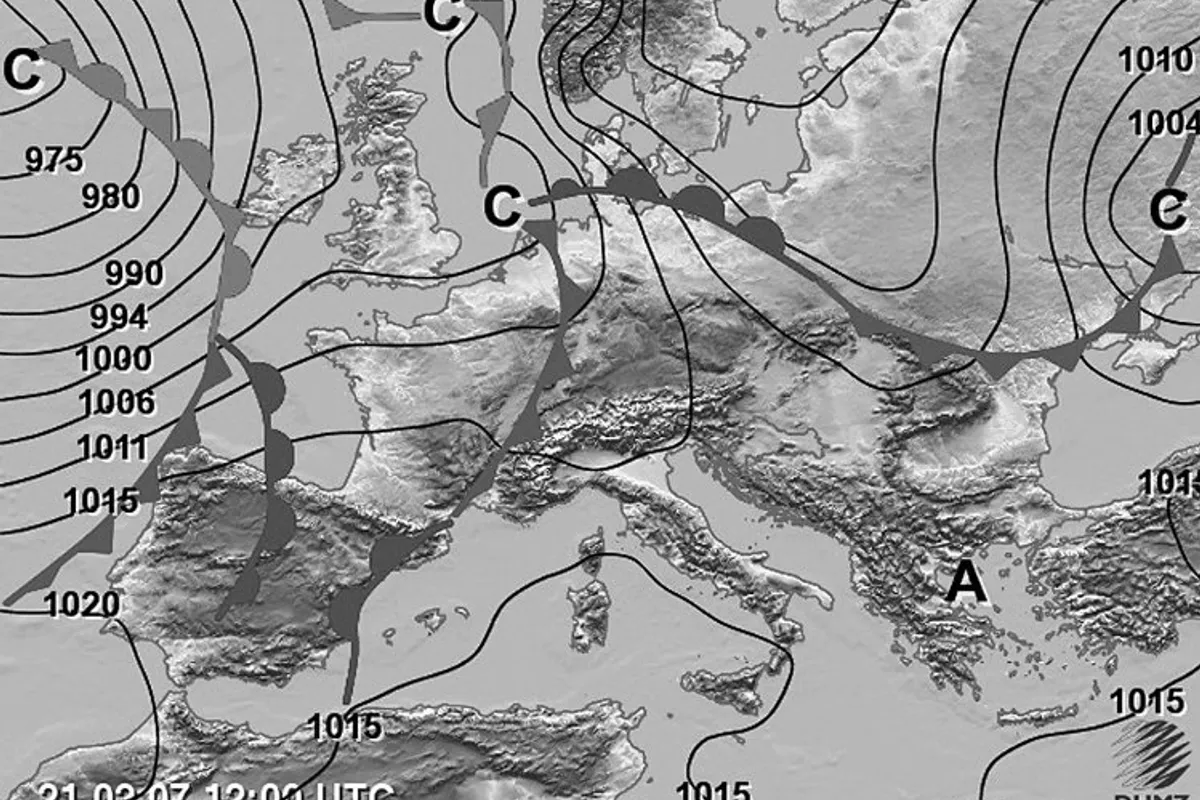
"Warm seas favor the development of large storms, and when a strong front passes over a certain area, pressure oscillations can occur that may ultimately trigger meteotsunamis," she said.
Marine Heatwave and Record Temperatures
Although less discussed, the sea has been affected by a heatwave this summer. The Copernicus program issued a warning for the entire Mediterranean, and the effects are also felt in the Adriatic.
"Copernicus has been warning about the occurrence of a marine heatwave for some time because the sea surface temperature is more than three degrees above the usual average for this time of year. We are also recording record sea surface temperatures in the Adriatic," said Dunić.
The scientist explained that marine heatwaves function similarly to those in the atmosphere, but their effects can last significantly longer.
"Just as there is a sudden increase in temperature in the atmosphere, the same happens in the sea, except that there it can last for weeks or months. It is up to us scientists to measure, record, and investigate the causes of such phenomena," she emphasized.
Warm Mass from the East and New Research
According to her, besides the atmosphere directly heating the sea, energy can also arrive with another water mass. This is particularly pronounced in the Adriatic, where a warm water mass from the eastern Mediterranean can raise temperatures. Dunić stressed that this is a relatively new area of research in Croatia, with few scientists focusing on the Adriatic Sea.
"Especially in our Adriatic, a warm water mass can come from the eastern Mediterranean into our area and then raise the temperature. This is a relatively new research area in Croatia; few scientists are engaged in research focused on the Adriatic Sea. I hope that research will soon begin through a new project to see what the main physical causes of this warming are, not only at the sea surface but also in deeper sea layers, which is much more important because deeper layers cool more slowly than the surface can," said Dunić.