How to Recognize the Black Weever, the Rarest of the Dangerous Fish in the Adriatic
The black weever grows up to half a meter and has characteristic dark spots below the lateral line, and its venomous sting requires a quick response.
The black weever grows up to half a meter and has characteristic dark spots below the lateral line, and its venomous sting requires a quick response.
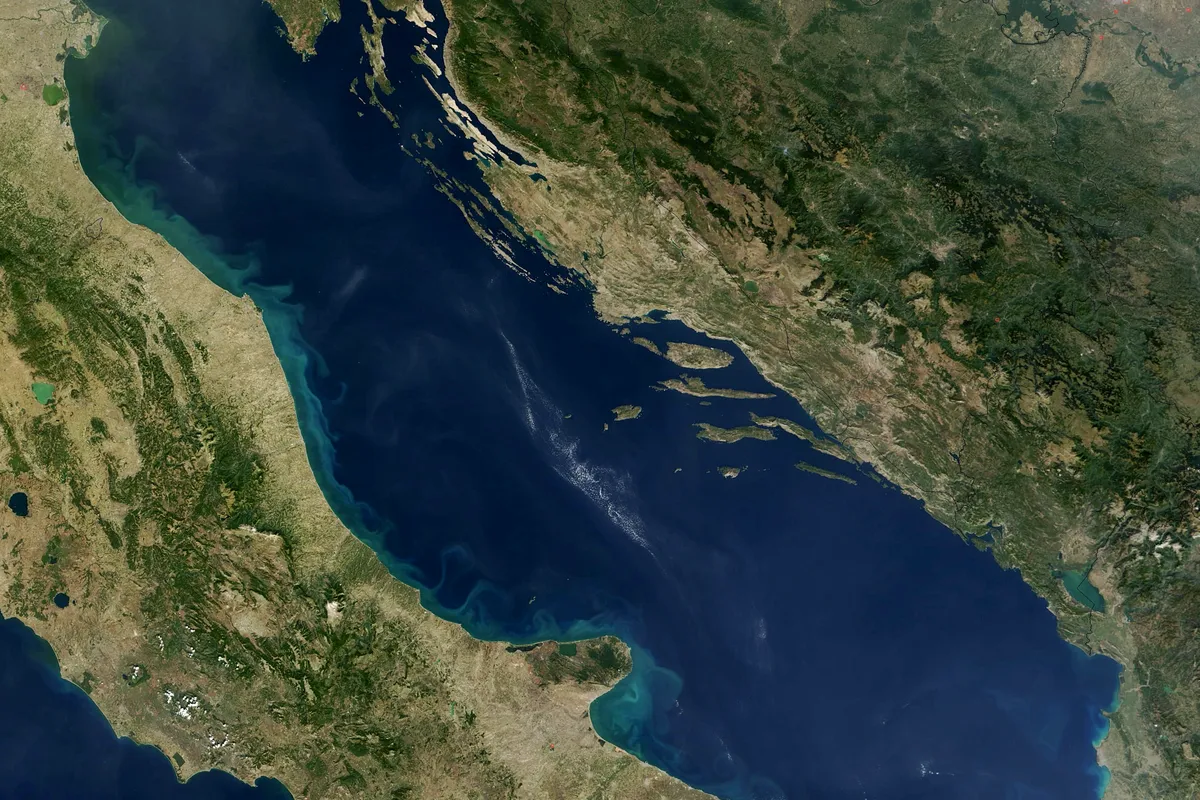
The black weever (Trachinus araneus, Cuvier, 1829) is a fish from the weever family (Trachinidae) and is the rarest weever species in the Adriatic, as reported by Novi list in a detailed description of this dangerous fish. Although it is distributed throughout the Adriatic, it is encountered less frequently than other relatives from the same family.
This fish grows up to 50 centimeters in length and can reach a weight of up to 1.5 kilograms, although the average catch weight is around 0.15 kilograms. Its body is elongated and laterally compressed with almost straight-lined back, and the lower jaw is noticeably longer than the upper one.
The color of the black weever is gray-golden, sometimes reddish, with oblique, interrupted dark stripes running from the head to the tail. The key identifying feature is located below the clearly visible lateral line: 6 to 10 larger dark spots. Its belly is shiny, white-silverish.
The black weever prefers coral-shell, rocky, and hard bottoms at depths from 5 to 100 meters. It is more common in the outer islands than in the inner channels. Similar to other weevers, it spends most of its time buried in the bottom waiting for prey, and it is mostly caught accidentally on bottom hooks.
It reaches sexual maturity at a length of 26.5 centimeters and reproduces in late autumn and early winter. In Croatian, it is also known as pauk crnožig, pauk od grebena, crni pauk, and ranj.
As with other weevers, there is a venomous spine on the gill cover, and the first spines of the dorsal fin are also venomous. Due to its venomous sting, it is very dangerous, and the precautions and treatment for stings are the same as for the greater weever.
Never touch a live weever without protecting your hands. If a sting does occur, first aid consists of neutralizing the venom by immersing or applying a 10% ammonia solution to the sting site, which can be purchased in suitable packaging at any pharmacy. After that, the pain and other consequences of the sting usually disappear completely.
About ten years ago, in our sea, attempts were first made to treat stings from venomous fish with a 10% ammonia solution, following the example of treatments for insect stings or jellyfish burns. Since the results were very good for most of those stung, this method has become a very common and effective practice among fishermen.
Many fishermen burn the sting site with a lighter, a cigarette ember, or press it against a hot exhaust pipe of the engine, but regardless of which treatment they choose, they should see a doctor as soon as possible, especially if there are multiple stings.