On the night of August 12-13, 1995, just days after the end of Operation Storm, Serbian forces led by war criminal Ratko Mladić launched a major counteroffensive. The goal was clear: to recapture Bosansko Grahovo, cut off communications toward Knin, and ultimately bring that liberated city back under Serbian control. The plan was part of a pre-prepared Serbian military operation codenamed 'Vaganj 95.'
The Battle for the 'Gate to Knin'
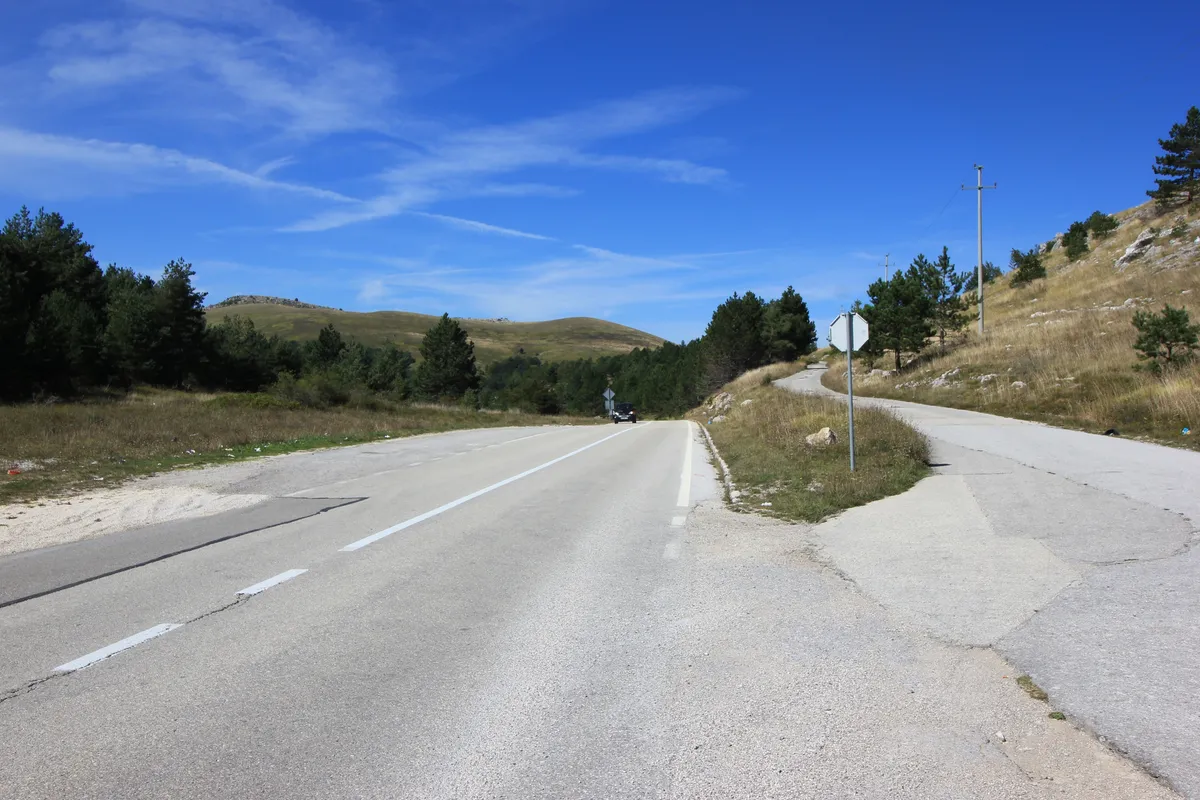
The first phase of the attack was aimed at seizing the strategic Derale pass, known as the 'gate to Knin.' If successful, the operation would continue toward the Livanjsko field, creating conditions for the recapture of Knin. The attacks were concentrated on the positions of Biljeg, Cigelj, Vidovića Glava, and Begovac, along the Drvar-Bosansko Grahovo road.
Lieutenant Tonći Jelavić, a participant in the battle, described the fighting for Kamenjar as
"bloody and fierce, almost trench warfare, where our soldiers and theirs were just a few meters apart"
. In direct hand-to-hand combat, Croatian soldiers Denis Jerković, Ivan Burić, Loran Šulentić, and Tomislav Grujica were killed. Members of the intervention groups were also seriously wounded, including commander Stipe Marčić-Štef and soldiers Denis Baleta and Dragan Kikić.
The Day with the Heaviest Losses
It was precisely on August 13, 1995, that the Croatian Army suffered exceptionally heavy losses. That day, 20 Croatian defenders were killed, one was listed as missing, and more than 50 were wounded. Despite the bloody and exhausting struggle, Croatian forces did not yield and continued to put up fierce resistance against a superior enemy.
The Turning Point and the Breaking of the Offensive
The turning point came on August 14. Reinforced units of the 141st Brigade, with crucial support from the 7th Guards Brigade, the 6th Home Guard Regiment, and armored units, managed to counterattack and regain all lost positions. The very next day, August 15, they were joined by the 126th Home Guard Regiment and the 4th Guards Brigade, and together they pushed the enemy back all the way to the outskirts of Drvar. Thus, Mladić's ambitious plan to retake Knin completely failed.
Victory on the Ground, Limitations at the Table
The military success opened the possibility for further advancement. The Croatian Army was in a position to capture Drvar and continue toward Banja Luka, while the Army of BiH was on the verge of taking Prijedor. The city of Banja Luka was already preparing for evacuation. However, further advancement was halted by political pressures from the West, which allowed the Serbian side to avoid a complete military collapse in Bosnia and Herzegovina.