Significant price hikes for your morning coffee, a glass of orange juice, or blueberry pancakes could be on the horizon. If the European Union implements its plan to tighten rules on pesticide residues in imported agricultural products, consumers could feel a substantial pinch in their wallets, according to an analysis by the Joint Research Centre (JRC), the European Commission's scientific service, published on Thursday.
In the worst-case scenario, where non-EU producers fail to comply with the new regulations, coffee prices could surge by 332 percent and citrus fruits by 82 percent. Agricultural imports into the Union would drop by 41 percent, and livestock farmers would face higher feed costs, further increasing food production expenses.
Pesticides at "Technical Zero"
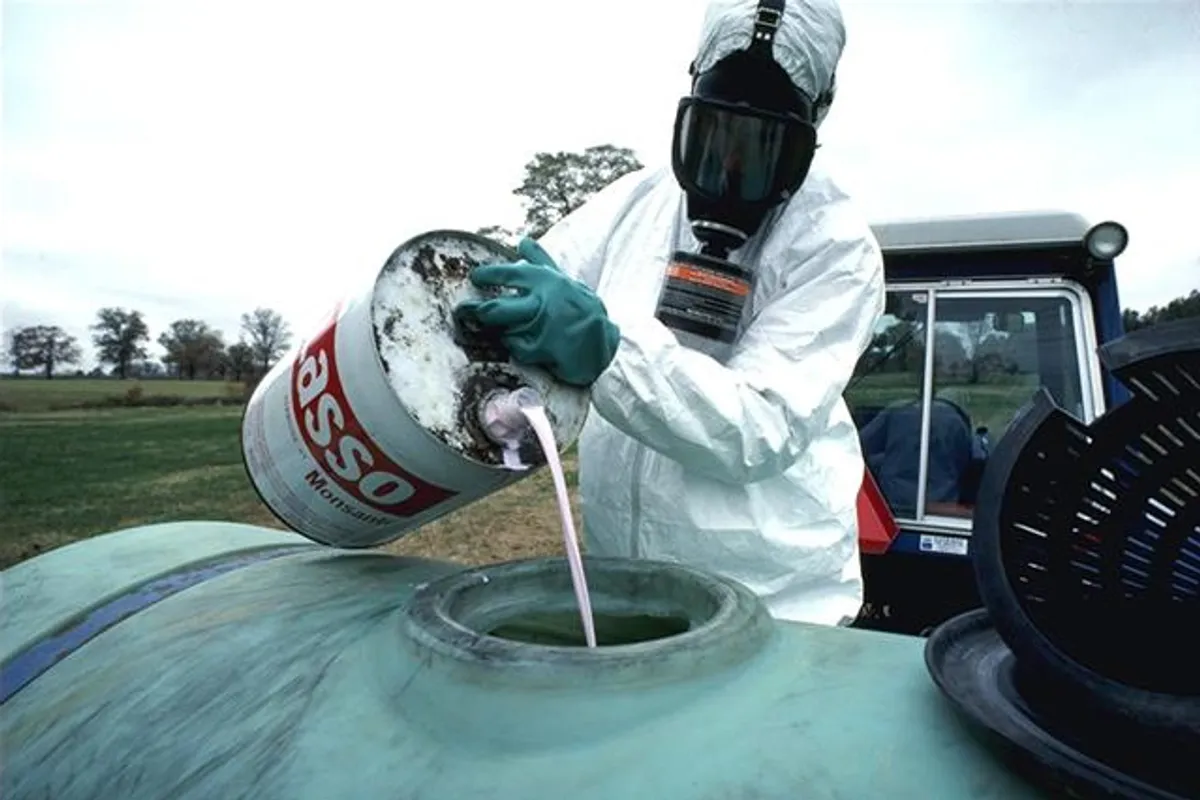
The proposed measures are part of a broader food and feed safety package. Brussels aims to reduce the permitted levels of pesticide residues for substances banned in the EU due to health and environmental risks to virtually zero. This would mean that producers outside the EU would have to abandon the use of certain pesticides to access the European market.
The Commission has yet to make a final decision on which active substances would be covered by the new rules. The JRC has identified 18 active substances that could be subject to the ban, potentially affecting 235 products from 86 countries. Even in more realistic scenarios, where producers in third countries adapt to varying degrees, consumer prices would rise, imports would decline, and EU domestic production would increase.
Producers Warn of Trade Barriers
The proposal has raised concerns among producers in many parts of the world. Warnings have come from South Africa, Canada, Honduras, Brazil, California, and Morocco, where producers fear that the new rules could reduce exports and lead to job losses. Amine Bennani, president of the Moroccan Association of Berry Producers, believes that Europe's "standard harmonization" is, in practice, turning into a trade barrier.
"The choice is between year-round availability of berries that are healthy, safe, and affordable, versus limited production at a high price," Bennani said.
He particularly emphasized that the new rules could severely harm Morocco's berry production, which employs around 250,000 people, and noted that his association was not consulted.
Brussels Aims to Protect European Farmers
The European Commission argues that it wants to prevent substances banned within the EU from re-entering the European market through imports. Some European farmers strongly support this approach, believing that all producers wishing to sell on the European market should adhere to the same rules.
This measure is also linked to growing discontent among European farmers over the EU's trade agreement with Mercosur, which includes Argentina, Brazil, Paraguay, and Uruguay. France stands out in particular, having already banned certain products with pesticide residues prohibited in the EU in early 2026, thereby restricting imports of items like potatoes and avocados.
The plan has already been challenged at the World Trade Organization (WTO) by Australia, Canada, Paraguay, and the United States, while the International Fresh Produce Association argues that existing international food safety standards are sufficient to protect consumers and promote trade. The European Union now faces a difficult decision: protect European farmers and insist on equal standards for all, or risk reduced imports and higher food prices for consumers.