China Gets a Chance of a Lifetime? Americans Pulled the Carrier
The relocation of the last American aircraft carrier from the Far East to the Middle East has opened the door for stronger Chinese pressure, experts warn.
The relocation of the last American aircraft carrier from the Far East to the Middle East has opened the door for stronger Chinese pressure, experts warn.
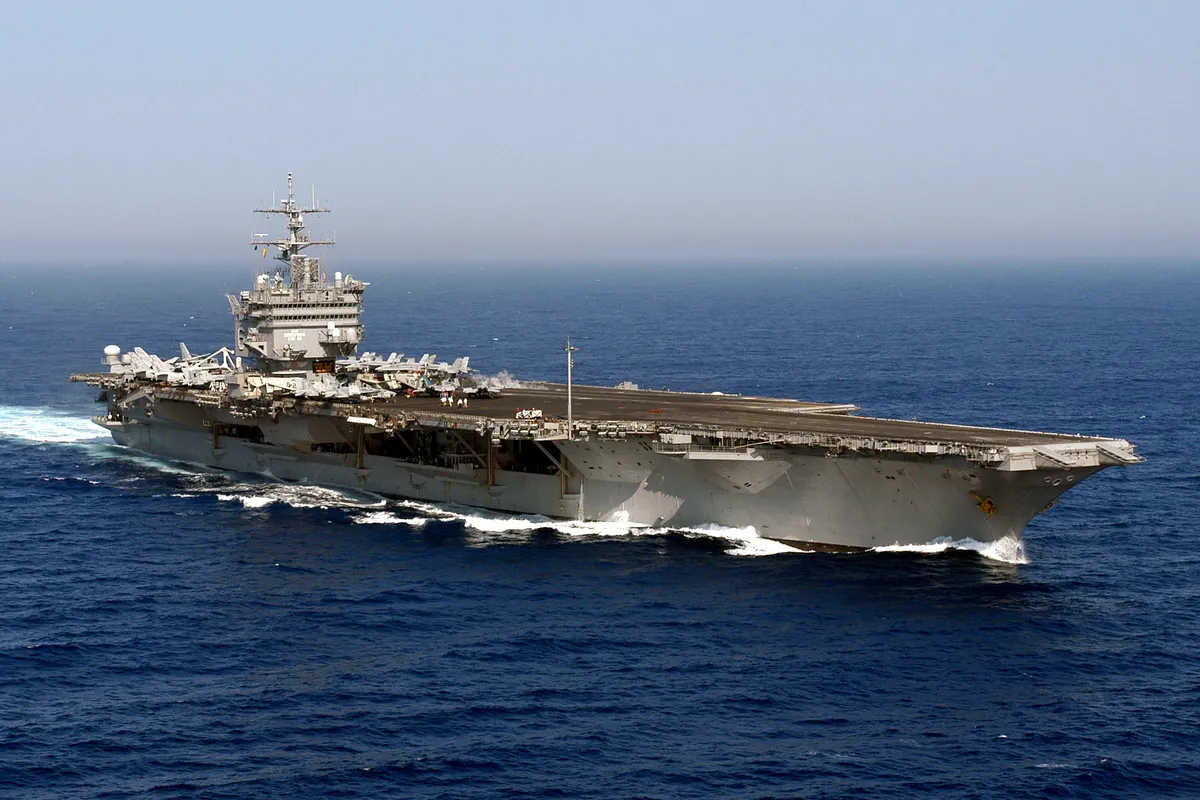
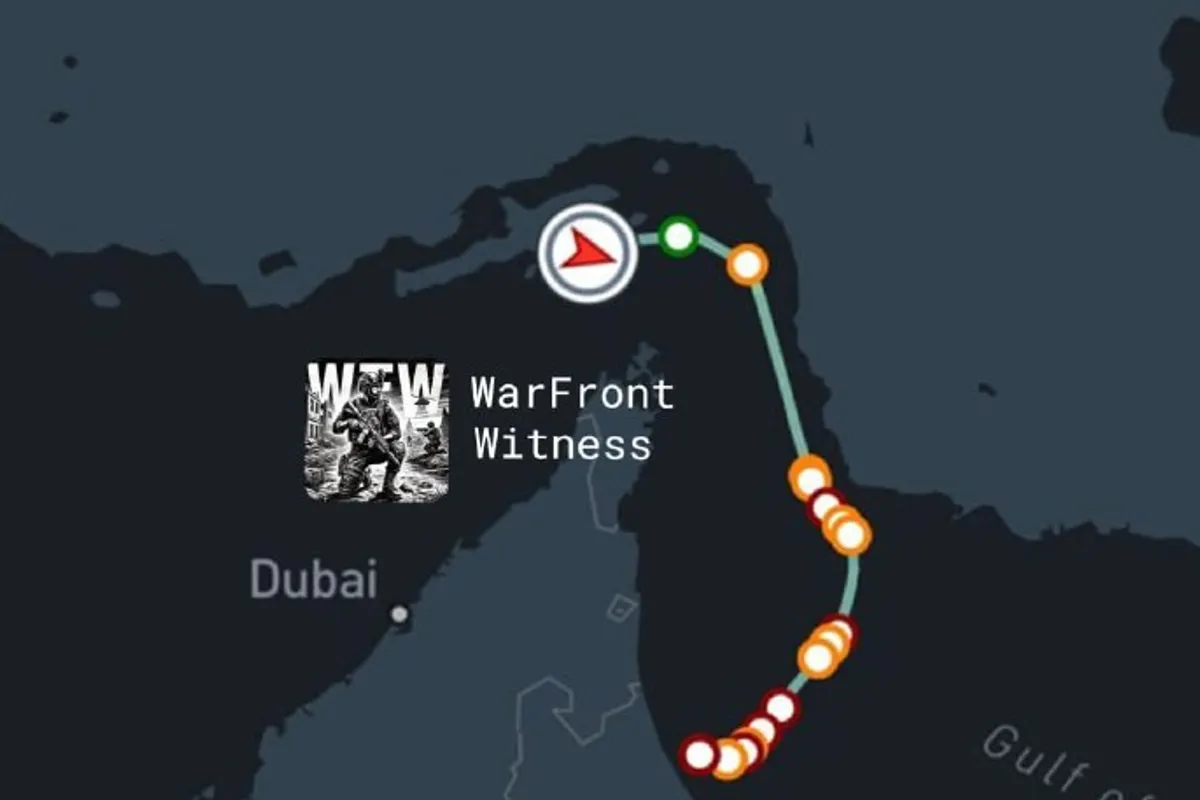
The last American aircraft carrier has left the Western Pacific and is heading to the Middle East, sparking concerns among security analysts that China could intensify its military pressure in the Asia-Pacific region. The USS George Washington will be moved to the Middle East to take over from the USS Abraham Lincoln, which has been involved in operations related to the conflict with Iran for more than 240 days.
Such a long deployment of the carrier places additional strain on the crew and creates logistical challenges for the U.S. Navy. Although experts currently do not anticipate a direct Chinese attack on Taiwan, they note that Beijing could exploit the temporary reduction in American military presence to stage new shows of force.
American security expert Thomas Jäger went even further, posting on X that this marks the beginning of a long-term American decline relative to China.
The decision to relocate the carrier comes as the administration of U.S. President Donald Trump increasingly directs military attention toward the Middle East. This has sparked debate over how consistent such a policy is with the previously announced strategy of a stronger American engagement in China and the Indo-Pacific region.
U.S. Admiral Frank Bradley attempted to reassure allies in the region during a visit to the Philippines. He emphasized that U.S. forces can project military power anywhere in the world and that, once threats in the Middle East subside, forces can return to other parts of the globe.
Bradley is also expected to visit Japan soon, which should further reaffirm America's commitment to its alliances in Asia. The U.S. Navy operates a total of 11 aircraft carriers, but typically only two or three are operationally deployed at any given time.
The prolonged use of carriers further strains the fleet, as ships must regularly undergo maintenance and major repairs. The problem is compounded by the limited number of shipyards capable of such work. In fact, the Navy has only two such facilities for carriers.
Defense expert Bryan Clark warns that this could lead to a serious backlog in fleet maintenance, with carriers potentially competing for available slots at shipyards. For Washington, this presents a dual challenge: it must simultaneously maintain a military presence in the Middle East and reassure Asian allies that the carrier's withdrawal from the Western Pacific does not signify a reduced commitment to countering Chinese influence.