Chinese Robot Giant Unitree Debuts with 600% Surge
The first initial public offering by a humanoid robot maker in mainland China marks a turning point for the sector and is part of the US-China tech war.
The first initial public offering by a humanoid robot maker in mainland China marks a turning point for the sector and is part of the US-China tech war.
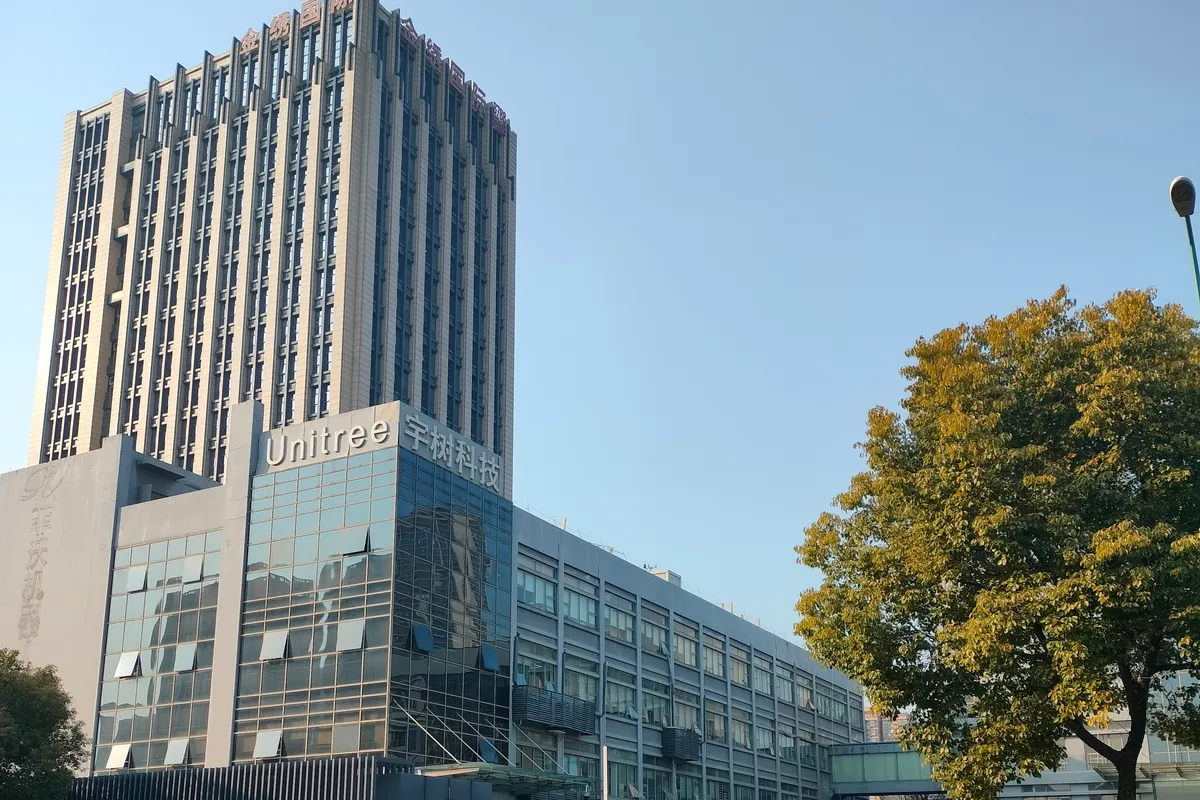
Shares of Chinese humanoid robot maker Unitree opened on the Shanghai Stock Exchange on Wednesday with a price more than 600 percent higher than its initial public offering (IPO) price. The stock opened at 1,100 yuan ($163) on the tech-focused STAR Market, up 629 percent from the IPO price of 150.8 yuan, according to Channel News Asia.
The trading followed Unitree's IPO last week, which raised about $900 million. The debut coincided with the opening of the World Robot Conference in Beijing, further underscoring the symbolic moment for China's robotics sector.
According to Le Figaro, the stock was up 629 percent from its IPO price at the market open at 9:30 a.m. local time (1:30 p.m. Paris time), before gains settled to +509 percent about twenty minutes later. Sources differ on the exact percentage surge: Channel News Asia reports more than 600 percent, while Le Figaro cites around 500 percent.
Morningstar analyst Kangyuxiao Li said in a note to clients that the debut "gives mainland investors direct exposure to one of the leading companies in the sector and could influence valuations of future robotics IPOs and private companies."
Unitree unveiled a new humanoid robot called "Superman" on Monday, which the company claims can jump up to two meters high and run at speeds of 12.66 meters per second. Last year, the company caused a sensation at China's New Year's TV gala with humanoids in traditional costumes performing kung fu and somersaults, a performance repeated in 2026.
The Chinese government has declared robotics a strategic sector and claims that more than 140 Chinese companies launched over 330 humanoid robot models last year. Other Chinese companies specializing in humanoid robots, such as Shenzhen-based UBTech, are listed on the Hong Kong Stock Exchange.
However, Chinese humanoids are met with distrust in several countries. In July, Washington cited national security concerns and banned the import of humanoid robots manufactured abroad, primarily affecting Chinese companies.