End of the War in Ukraine by Year's End?
Masahiro Matsumura believes demographics, not military breakthroughs, will determine the outcome. He particularly highlighted Germany's role in sustaining European aid.
Masahiro Matsumura believes demographics, not military breakthroughs, will determine the outcome. He particularly highlighted Germany's role in sustaining European aid.
The war in Ukraine could enter its final political phase by the end of 2026, and its outcome will not be decided by individual breakthroughs on the battlefield or drone attacks, but by key structural factors such as demographics, reduced US aid, and Europe's ability to continue financing the war effort. This assessment was put forward by Masahiro Matsumura, a Japanese security expert and professor of international politics and national security at the Faculty of Law of St. Andrew's University in Osaka, also known as Momoyama Gakuin.
The first and most important pillar of Matsumura's analysis, published on August 6, 2026, concerns Ukraine's dramatic demographic decline. The professor recalls that after the collapse of the Soviet Union, the country had nearly 52 million inhabitants, but that number has been steadily declining for decades. The causes are multiple: low birth rates, emigration, economic problems, Russian occupation of part of the territory, and the massive refugee wave that followed the 2022 invasion.
Matsumura cites statements by Ukrainian officials and estimates that around 25 million people currently live in territory under Kyiv's control. This population reduction directly affects the number of potential soldiers, but also shrinks the tax base, the workforce, and the state's ability to independently finance basic functions without external aid. On the other hand, Russia has a population several times larger and a broader recruitment pool, placing Ukraine in a structurally disadvantaged position in a prolonged war of attrition.
The second key factor Matsumura sees is the changing relationship between the United States and Europe. In the early years of the invasion, Washington provided most of the military and financial support to Ukraine, but that contribution sharply declined after the political change in the US. As a result, European countries must take on a significantly larger share of the costs for Ukraine's defense and functioning.
The professor highlights Germany as the key country that will determine how long Europe can sustain the current level of aid. The problem is that European NATO members lack sufficient industrial capacity to quickly replace American weapons, ammunition, intelligence support, and financing. At the same time, their governments face pressure from slow economic growth, high energy costs, budget constraints, and voter discontent.
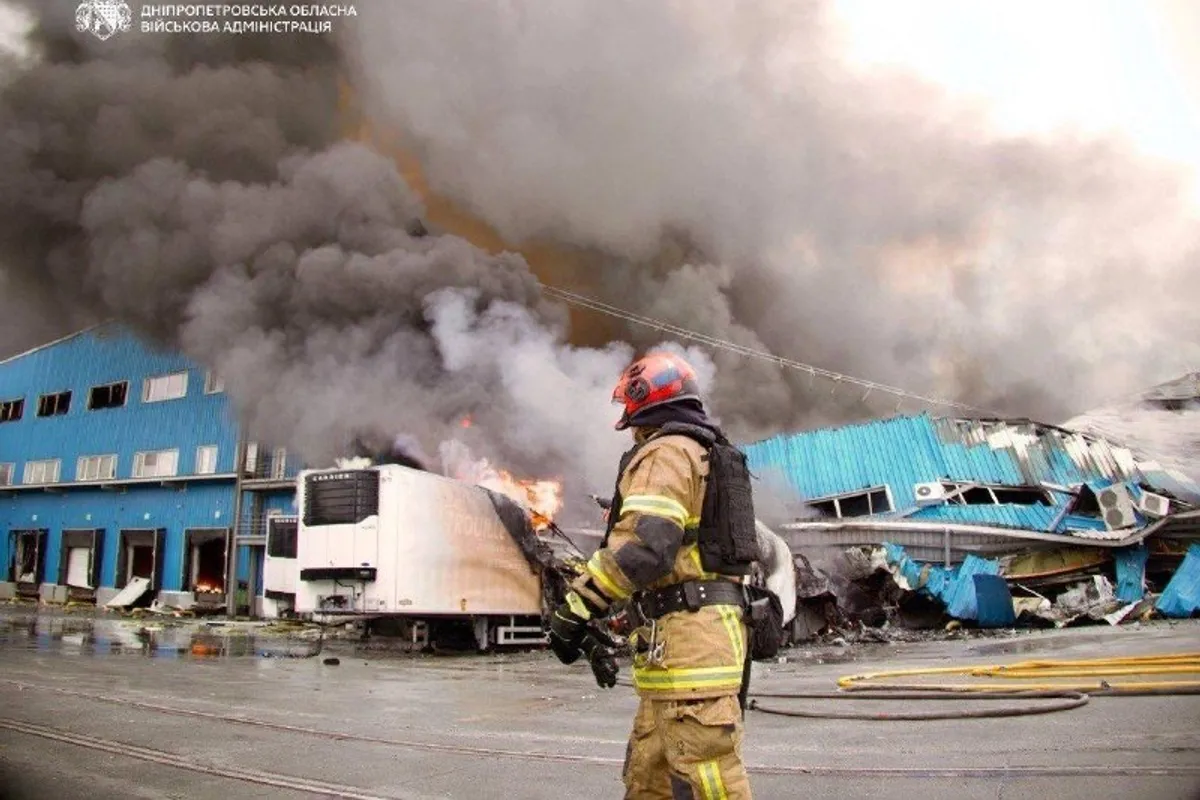
Matsumura acknowledges that Ukraine's long-range drone attacks have shown a high degree of technical innovation, hitting Russian refineries, warehouses, airfields, and other targets deep in Russia's rear. Nevertheless, he believes such attacks cause only operational difficulties but cannot remove the fundamental imbalance in manpower, industry, and weapons production.
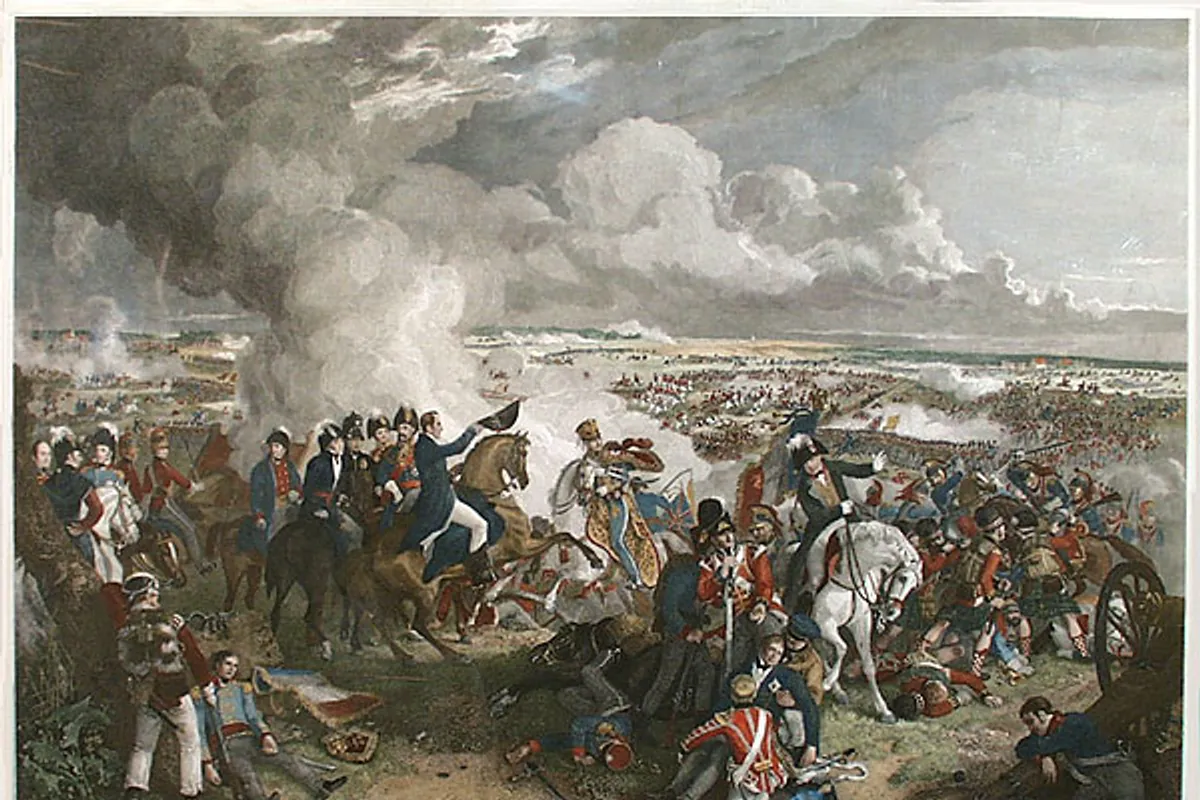
As a historical comparison, he mentions Japan's Fu-Go balloon bombs from the end of World War II. At that time, Japan sent thousands of balloons filled with explosives, carried by high-altitude winds toward North America. Although the operation drew attention and caused some casualties, it could not influence the final outcome of the war nor compensate for Japan's weakness in conventional and industrial terms.
Matsumura believes European states will face three basic choices. The first option is to continue the current model of financial and military aid to Ukraine, but the author argues that additional equipment alone does not solve the shortage of people on the battlefield. The second option is more direct involvement of European forces, for example to protect certain areas or logistics hubs, which would carry the risk of a direct NATO-Russia conflict. The third possibility is a political agreement that would include a ceasefire, freezing the conflict, or negotiations for a solution with security guarantees for areas remaining under Kyiv's control. Matsumura expects that it will ultimately be the pressure of economic and political constraints that will steer Europe toward this option.
"The outlines of the end will be visible by the end of the year," assessed Masahiro Matsumura, professor of international politics and national security.
In his view, the war will not end with a sudden military collapse of one side, but when political leaders realize they can no longer sustain the current intensity of fighting. The end of the conflict does not have to be a permanent peace treaty; it could be a formal ceasefire, a long-term frozen conflict, or an agreed cessation of hostilities without a final resolution of territorial disputes.
It should be noted that Matsumura's assessment is not a universally accepted conclusion among security analysts. According to an analysis by the International Institute for Strategic Studies from February 2026, both sides still have sufficient material resources to continue fighting, and their political goals remain irreconcilable.