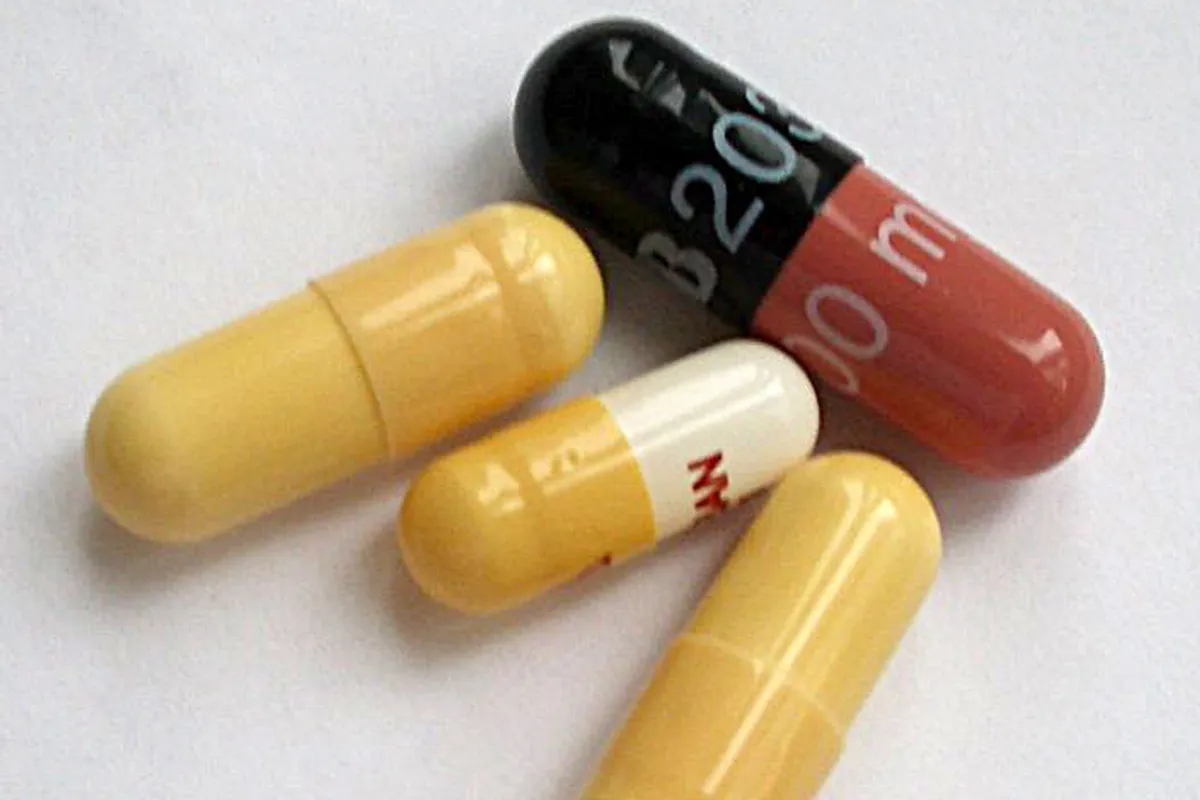
Many people habitually keep medications in the bathroom cabinet or near the sink, but the heat and moisture generated there can seriously compromise their quality. After a shower, the air becomes saturated with humidity, and tablets and capsules are particularly sensitive to this, especially if they are not in their original blister pack or are stored in a poorly sealed box. The kitchen is not a safe haven either if the cabinet is near the stove, radiator, dishwasher, or a window exposed to direct sunlight.
High temperatures can accelerate the breakdown of active ingredients, causing the medication to lose its full potency. As the UK's Medicines and Healthcare products Regulatory Agency (MHRA) has warned, heat can affect tablets, inhalers, hormone patches, insulin, and adrenaline auto-injectors. The report was relayed by the Croatian portal Lika Online, emphasizing that most medications are best stored at temperatures below 25 degrees Celsius, but the only authoritative rule is always the instruction on the packaging.
So where should you keep your home medicine cabinet?
Experts recommend a dry, dark, and as cool as possible place, such as a closed cabinet in the bedroom or hallway, provided it is out of reach of children and pets. Medications should remain in their original packaging: the blister pack, bottle, and outer box not only protect against moisture and light but also prevent confusion with another product. Transferring tablets to unlabeled containers is not advisable, and mixing different medications in the same box can lead to confusion about dosage and names.
Refrigerator, only when explicitly stated
Many people assume the refrigerator is universally safe, but only medications for which the manufacturer specifies storage at 2 to 8 degrees Celsius should be placed there. Other preparations can be damaged by moisture or excessively low temperatures, and freezing is especially dangerous for liquid and biological medications. Those requiring refrigeration are best placed in a clean, dry, and sealed container on the middle shelf, away from the back wall where they could freeze, and never near open food.
For insulin, certain liquid antibiotics, and injections, the rules may differ before and after first opening, some may be kept at room temperature for a specified time after opening, but exactly how many days and at what temperature depends on the specific product. Therefore, one should not rely on experience with another medication but always check the instructions or consult a pharmacist.
Car, a risky storage space
The temperature inside a closed vehicle can quickly become significantly higher than the outside temperature, even in the shade. Therefore, medications should not be left in the glove compartment, trunk, or a bag on the seat. When traveling, it is best to keep them in the passenger compartment and take them with you when leaving. If cooling is needed, an insulated bag can be used, but the medication should not be in direct contact with a frozen ice pack due to the risk of freezing. It is recommended to check the instructions with a pharmacist before traveling.
What if the medication has already been exposed to heat?
Although the medication may appear unchanged, loss of effectiveness is often not visible to the naked eye. Changes in color, smell, or consistency, crumbling tablets, sticky capsules, a cracked container, separation of layers in a liquid, or a deformed patch are clear signs that the medication should not be used. However, the absence of visible changes is not a guarantee of preserved quality.
The MHRA therefore recommends that if you suspect a medication has been exposed to excessive heat, you should immediately consult a pharmacist. You should tell them the name of the medication, where it was stored, the approximate temperature, and how long it was exposed. Based on stability data, the pharmacist can assess whether it can continue to be used or if a replacement should be provided. However, therapy should not be discontinued on your own initiative before obtaining the correct preparation.
The golden rule remains: store medications in their original packaging, in a dry and dark place away from heat sources, and only put them in the refrigerator when explicitly instructed. The kitchen and bathroom may be convenient, but due to frequent temperature and humidity changes, they are usually not the best choice for a home medicine cabinet.