Lab-Grown Mini Brains Survive a Record Seven Years
Harvard scientists have kept brain organoids alive far longer than ever before, and they continued to mature and 'remember' the passage of time at the cellular level.
Harvard scientists have kept brain organoids alive far longer than ever before, and they continued to mature and 'remember' the passage of time at the cellular level.
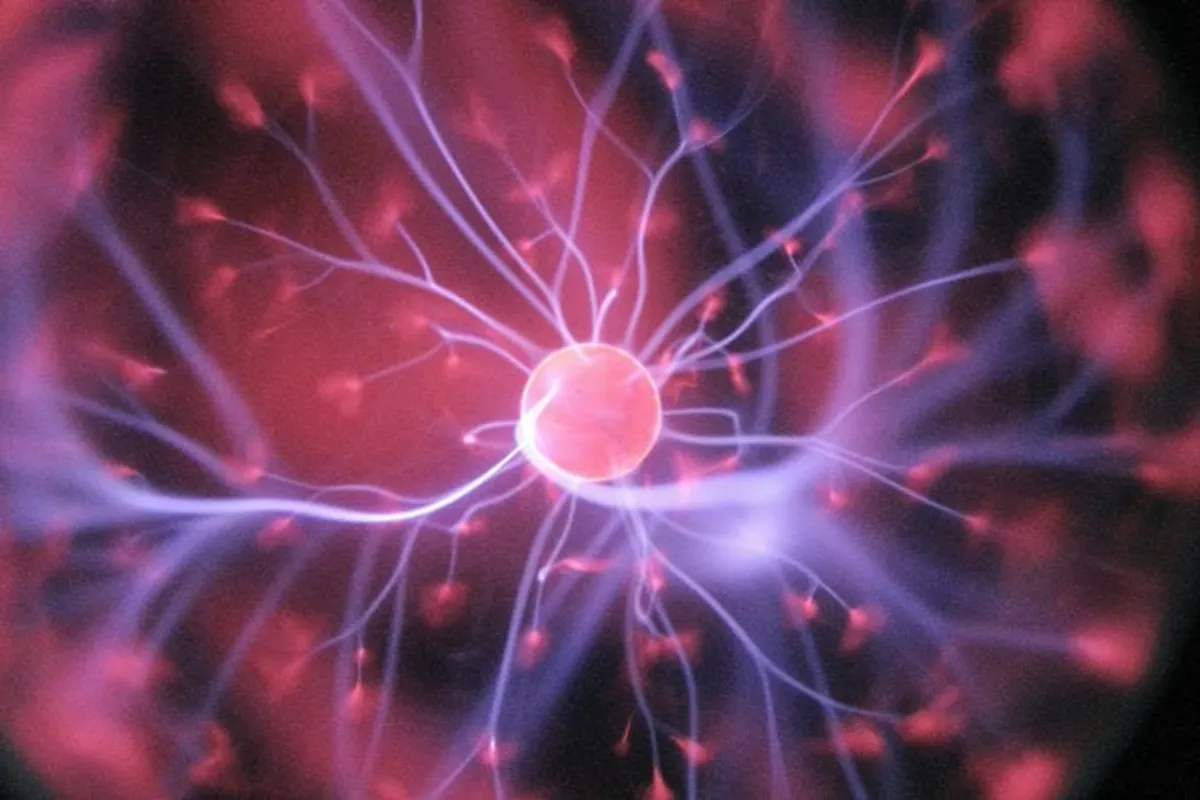
For the first time, scientists have managed to keep clusters of human brain cells the size of a peppercorn alive for nearly seven years in the lab. These so-called organoids, grown from stem cells, aged in a way remarkably similar to the brain inside our heads, suggesting they 'recorded the passage of time' at the cellular level, reported a team led by biologist Paola Arlotta of Harvard University in a study published in the journal Nature.
Organoids are miniature, three-dimensional replicas of human tissues that self-organize in laboratory dishes. Scientists worldwide use them to unlock the secrets of our brain and test new drugs without the need for animals like mice. However, until now, these miniature brain models survived only a few months, offering insight only into the earliest stages of development, while the human brain takes nearly twenty years to fully mature.
The research team, funded by the U.S. National Institutes of Health (NIH), managed to extend the lifespan of the organoids by submerging the tissue in a specially designed fluid that increased its activity. They found that the organoids continued to change and mature over the years, even though they were never part of an embryo, let alone a body. "The brain can continue to develop outside the context of a person over this unprecedented period of time," explained Arlotta, a professor at Harvard.
Analysis using three different types of genetic 'clocks' to determine the biological age of cells confirmed that the organoids changed over time in ways similar to normal brain cells. The emergence of neurons and their supporting glial cells followed the exact rhythm of natural postnatal human brain development. Moreover, the neurons became functionally mature, forming synaptic connections with each other and transmitting electrical signals that the organoids maintained for at least two years.
To further confirm their theory, the scientists conducted what Arlotta described as a "crazy experiment." They mixed cells that had been developing for a year with others that were only two weeks old, creating a "chimera." The young cells behaved normally, but the older ones "skipped an entire part of development" and began producing neurons that normally take about four months to form. This effectively "distorted time" for brain development.
"I like to think of it as a kind of 'developmental time distortion,' which indicates that organoid cells record and remember the time they have already spent in culture," Arlotta stated. "This suggests that their development is driven by an internal cellular clock that reflects the mechanisms of endogenous human brain development." Despite being surrounded by immature chemical signals, the older cells continued to thrive and mature as if they were still in their original organoid.
The implications of the study are significant. Until now, animal models, such as mice, have reproduced some characteristics of our brain's development, but their short lifespan was not ideal for a process that takes more than two decades in humans. Now, the incredible match between the biological and chronological age of the organoids has finally broken down that barrier.
"The unprecedented longevity and realistic qualities of these tissue models could give us the opportunity to explore more deeply how conditions like autism arise and develop later in life," said Andrea Beckel-Mitchener, acting director of the National Institute of Mental Health at the NIH. The next step, according to Arlotta, will be to increase the anatomical complexity of these structures, simulate genetic disorders, and test new therapies.
Unlike the brain in our heads, these organoids do not have a body that can get sick and die. When asked whether they could hypothetically outlive humans, Arlotta replied, "No one really knows," adding that she suspects they could last a bit longer. That, however, will not happen with the organoids used in this study, which were recently destroyed.