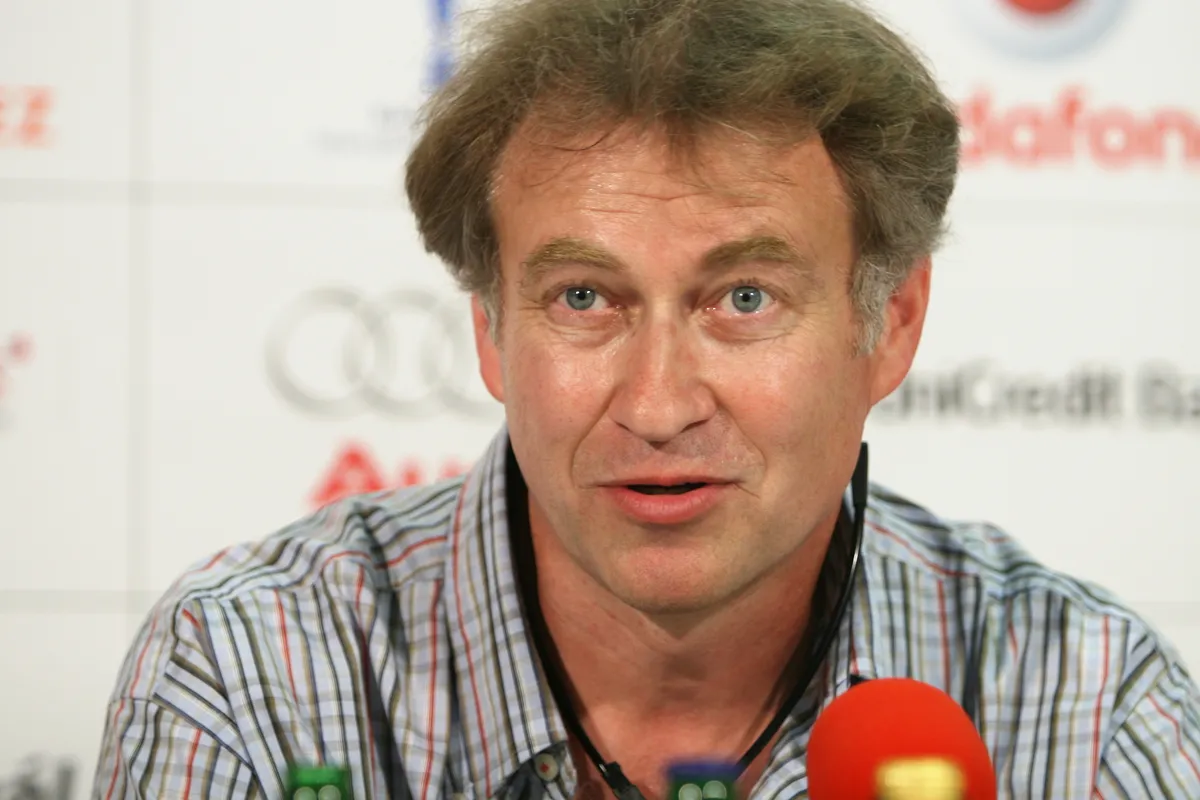
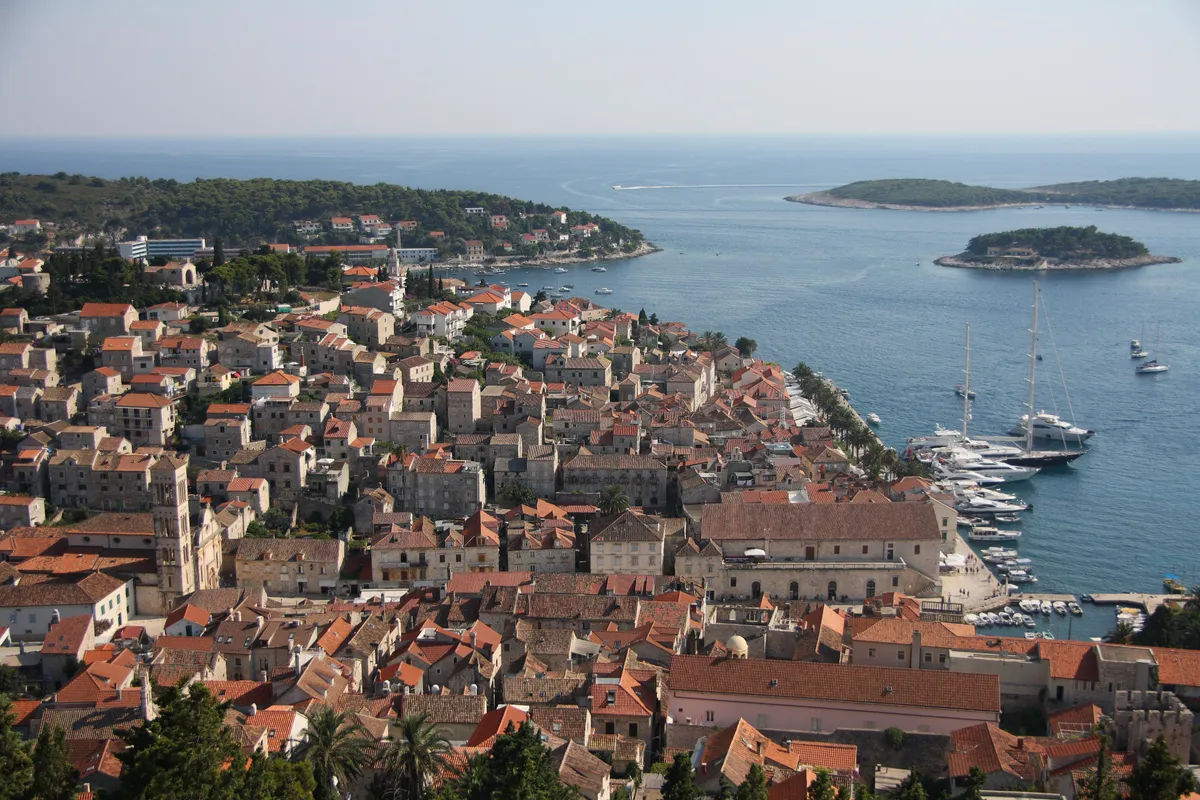
Pula-born director and screenwriter Elvis Lenić will present his new film "Puna je Pula" at the 24th Liburnia Film Festival in Opatija, where it will have its world premiere on Friday, August 28, 2026, at 8:15 PM at the Summer Stage. The film reconstructs everyday life in Pula during the 1960s and 1970s using long-lost archival footage, and was produced by Pulska filmska tvornica and Kinematograf.
Alongside Lenić, the film was made by editor and producer Marko Zdravković-Kunac, sound designer Davor Uljanić, composer Ivan Kapec, and producer Dijana Cetina Mlađenović. The archival materials come from the Kino Klub Jelen, i.e., the Foto-kino klub Jelen, where they were created by a group of amateurs and enthusiasts.
From a Purpose-Built Video to a Standalone Film
Lenić told Glas Istre how the film actually originated from work for the Istrian Historical and Maritime Museum. "Marko Zdravković Kunac and I actually started editing the film as work for the Istrian Historical and Maritime Museum at the end of last year. It was supposed to be a purpose-built video, but then I felt it had its own logic and story that needed to be brought to its conclusion," he said. At the same time, they also made a separate video for the museum, which will likely premiere before the end of the month, and it differs from the film in some shots and the complete sound design.
There was no sound at all in the original footage, so Lenić and his sound recordist walked around the city capturing soundscapes at locations matching those in the footage. "It should be noted that there was no sound in the original footage, absolutely none. As we progressed with the film's editing, I walked around the city with my sound recordist, capturing sound at places where I felt it matched what was shown in the film," he explained.
Uljanik as an Indispensable Element
The film also features the cry "Ne damo Uljanik!" (We won't give up Uljanik!), which Lenić explained as a kind of reference to his previous award-winning film "Brod" (The Ship), dedicated to the Uljanik shipyard. "Well, it's not exactly an attempt to quote 'Brod', but Uljanik is simply an indispensable element of Pula's recent history, so I couldn't resist inserting that sound associated with it," he said. The audio recording remained in his archive from the shooting of "Brod".
This is not the first time Lenić has dealt with similar material. Five years ago, he made "Monolog o Puli" (Monologue about Pula), a kind of adaptation of the cult film "Monolog o Splitu" (Monologue about Split) by director Ivan Martinec, and "Puna je Pula" is a sort of continuation of his engagement with that archival material.
Pula Then and Now: "The Industry Has Completely Disappeared"
While assembling the film, Lenić inevitably compared Pula then and now. "The film shows a Pula that we partly remember from our early youth, Pula as primarily an industrial city with a lot of military presence. It was also a city with a highly notable and authentic rock music scene," he recalled. The current picture, he says, is completely different. "What Pula has turned into is utterly insane and unbelievable. The industry has completely disappeared. We still have the Glass Factory, the Tehnomont Shipyard, the Cement Factory, and the remnants of Uljanik, but everything else is some kind of sales-and-tourism economy with a bunch of public services. As for any kind of identity of today's Pula, I really don't know what to say."
The footage used in the film mostly shows the city center. Lenić confirmed that the black-and-white amateur films have very few scenes outside the center, such as Veruda, Stoja, Kaštanjer, or Šijana, but he believes that in such a short film, this is a kind of advantage. The material of the late Dušan Ćurić, a military officer and amateur photographer and cameraman, is considerably more diverse and was shot throughout Istria, mostly in color.
New Project 'Adio Pola'
Lenjić is already working on a new project tentatively titled "Adio Pola", which is based precisely on Dušan Ćurić's film legacy. "From that material, we will edit a film about the socialist history of Pula, probably a medium-length feature, maybe even a full-length one," he announced. The soundtrack will be composed of today's city sounds and contemporary music. So far, he and Marko Zdravković Kunac have edited 5-6 minutes of the film, and if all goes well, it could be discussed next year or the year after.
As for understanding the film outside Pula, Lenić is confident there are no obstacles. "There's no reason they wouldn't understand; this film relies solely on image and ambient sound. I think these are elements that are easily comprehensible to any viewer from the rest of Croatia, as well as abroad," he concluded. The premiere in Pula is expected soon, likely first the version made for the Istrian Historical and Maritime Museum, and then the film itself.