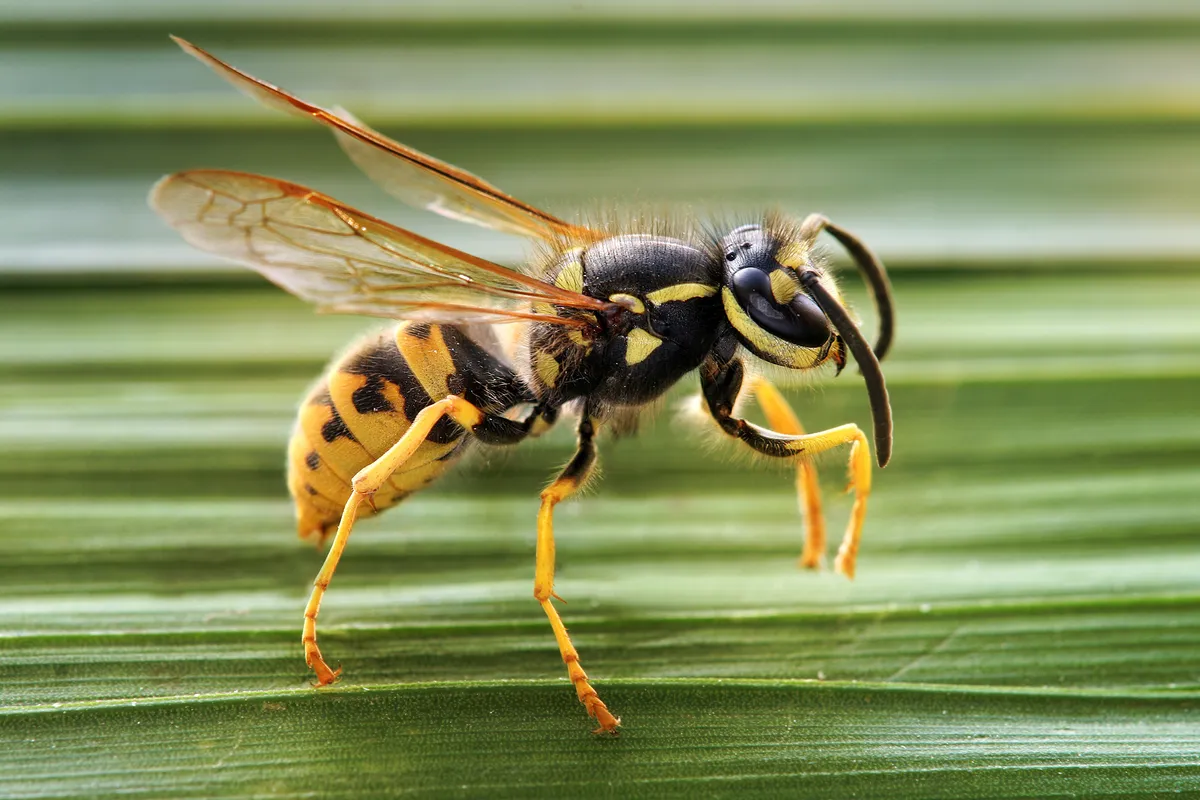
Summer is the time when we all love to spend time in nature, but it is also when insects are most active, and their stings can pose a serious threat to health, and in extreme cases, to life. Although it is common knowledge that a wasp or hornet sting is unpleasant, few people know exactly where the line is after which emergency medical intervention becomes imperative.
Dr. Milica Velinović spoke to TV Pančevo, clarifying the key differences and dangers, emphasizing that for most healthy people, a single hornet sting is not more dangerous than a wasp sting, although it is usually more painful due to the larger amount of venom. The greatest risk, she points out, exists for allergic individuals or when a large number of stings occur.
When It Is Essential to Call Emergency Services
The doctor was unequivocal when discussing situations that require immediate action. "When it is already an extreme situation and there has been contact with a larger number of insects, over 20, over 50, it is desirable to call emergency services as soon as possible; it is simply imperative," said Dr. Velinović. Recent tragic cases that ended fatally further underscore the importance of this advice.
In addition to the number of stings, alarming symptoms that require immediate action include difficulty breathing, swelling of the face or tongue, dizziness, and loss of consciousness. "The wisest thing, once you reach that situation, when there has been direct contact with insects, is to call emergency services as soon as possible and administer interventional therapy as soon as possible," she warned.
What You Must Bring With You
When it comes to prevention, Dr. Velinović advises moving cautiously and avoiding areas with a high presence of insects. However, it is equally important to have the appropriate first aid supplies. Along with a bottle of water, she also recommends carrying antihistamines.
"In your personal kit, it is not a bad idea, in addition to a water bottle, which we all have now, to also have some antihistamine. We most often have positive experience with Synopen. Everyone generally uses it. Also, there are those Dexamethasone tablets that people can buy at 0.5 mg, one tablet. It is not bad either, just to have it just in case," the doctor explained.
People who know they have severe allergic reactions should always carry an epinephrine auto-injector prescribed by their doctor. Antihistamines can help with milder symptoms, but they are not a substitute for emergency medical care in the case of anaphylaxis.
How to Protect Yourself in Nature
The best protection, Dr. Velinović emphasizes, is caution. "It would be best to move carefully through nature, to avoid those states and situations where there is an increased presence of insects," she stated. If you notice hornets or wasps, do not disturb them; instead, calmly move away without sudden movements. It is useful to wear clothing that covers as much skin as possible and to use repellents available at all pharmacies.