Doctor Warns: Blood Becomes Thicker in the Heat
Prof. Dr. Edvard Galić explains why the elderly and chronic patients are particularly vulnerable during heat waves and offers key prevention tips.
Prof. Dr. Edvard Galić explains why the elderly and chronic patients are particularly vulnerable during heat waves and offers key prevention tips.
High summer temperatures bring more than just discomfort; they can also trigger serious health complications, warns Prof. Dr. Edvard Galić, MD, PhD, director of Sveti Duh University Hospital and head of the Clinic for Internal Medicine. In an interview with HTV's central news program, he highlighted that emergency services see a rise in interventions during heat waves due to dehydration, dizziness, and fainting, as well as significantly more severe conditions.
The human body strives to maintain a temperature between 36 and 37 degrees Celsius. When external temperatures are extreme, the body works harder to cool down. "Blood vessels dilate, we sweat more intensely, and breathe faster to lower body temperature," Galić explained to HTV.
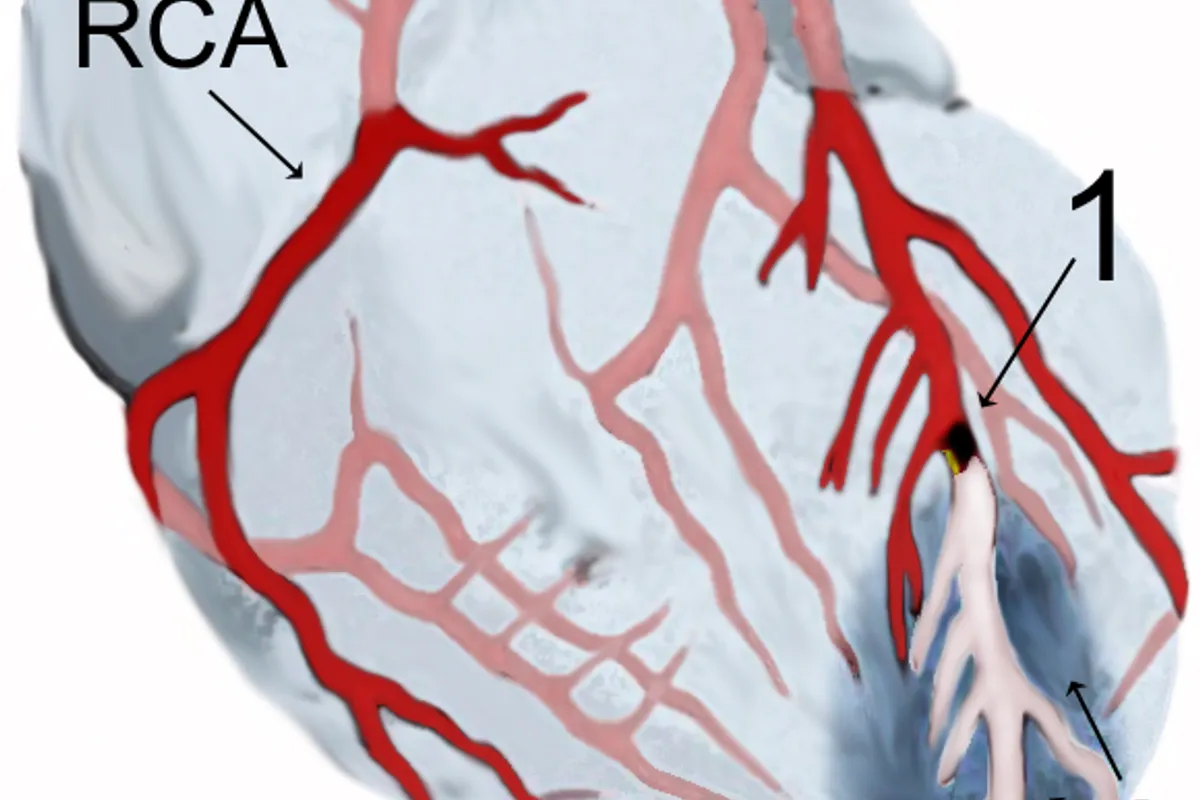
Increased sweating leads to fluid loss. If fluids are not replenished in time, problems arise. "Blood volume decreases, blood becomes more viscous and thicker, blood pressure drops, and the risk of thrombosis, heart attack, and stroke increases," warned the director of Sveti Duh University Hospital. He added that hospital admission rates are slightly higher in summer than the rest of the year. "Alongside pneumonia and sepsis, we most commonly record heart rhythm disorders, heart attacks, and strokes," he said.
The elderly and chronic patients feel the worst effects of heat. At-risk groups include heart patients, individuals prone to arrhythmias, diabetics, and those who have already suffered a heart attack or stroke. "If we don't take in enough fluids, blood becomes thicker, increasing the risk of thrombosis, heart attack, and stroke," Galić reiterated the key message.
Many reach for a cold beer to cool off, but alcohol actually further dehydrates the body. "Alcohol acts as a diuretic, dehydrates the body, and dilates blood vessels, which can lead to a drop in blood pressure," he pointed out. Caution is also needed with energy drinks. "Energy drinks contain large amounts of caffeine, making the heart beat faster, and they are especially dangerous during extreme heat and intense physical exertion," emphasized Prof. Dr. Galić for HTV.
Although it's often said that air conditioning is not advisable, Galić considers it an important ally in protecting against heat, especially for the elderly and chronic patients. "Air conditioning is a great ally, but the room should not be overly cooled," he said. He recommended that the temperature in an air-conditioned room be between 24 and 26 degrees Celsius. Large temperature differences between outdoor and indoor spaces can put additional strain on the heart and blood vessels. "Gradual adaptation of the body is most important," he concluded.
For chronic patients, the doctor advises regular monitoring of blood pressure and body weight, as well as tracking urine output and color. If they notice symptoms, they should contact their doctor immediately. He specifically warned against the danger of self-initiated therapy changes. "Changing therapy on your own can be more dangerous than the heat wave itself. Adjusting medication doses, especially diuretics and blood pressure medications, should always be decided by a doctor," Galić urged. "We advise them to measure blood pressure and body weight more frequently and to monitor urine output and color. If they notice symptoms, they should contact their doctor immediately."