Published on August 12, 2026, Darko Jelinek's column in Glas Istre, titled "Lika - Another Croatian Defeat," is not merely about an ecological catastrophe. It is a sharp, almost bitter reckoning with Croatian society and a state that, as the author claims, won its independence but does not know what to do with it.
From Battlefield to Dumping Ground
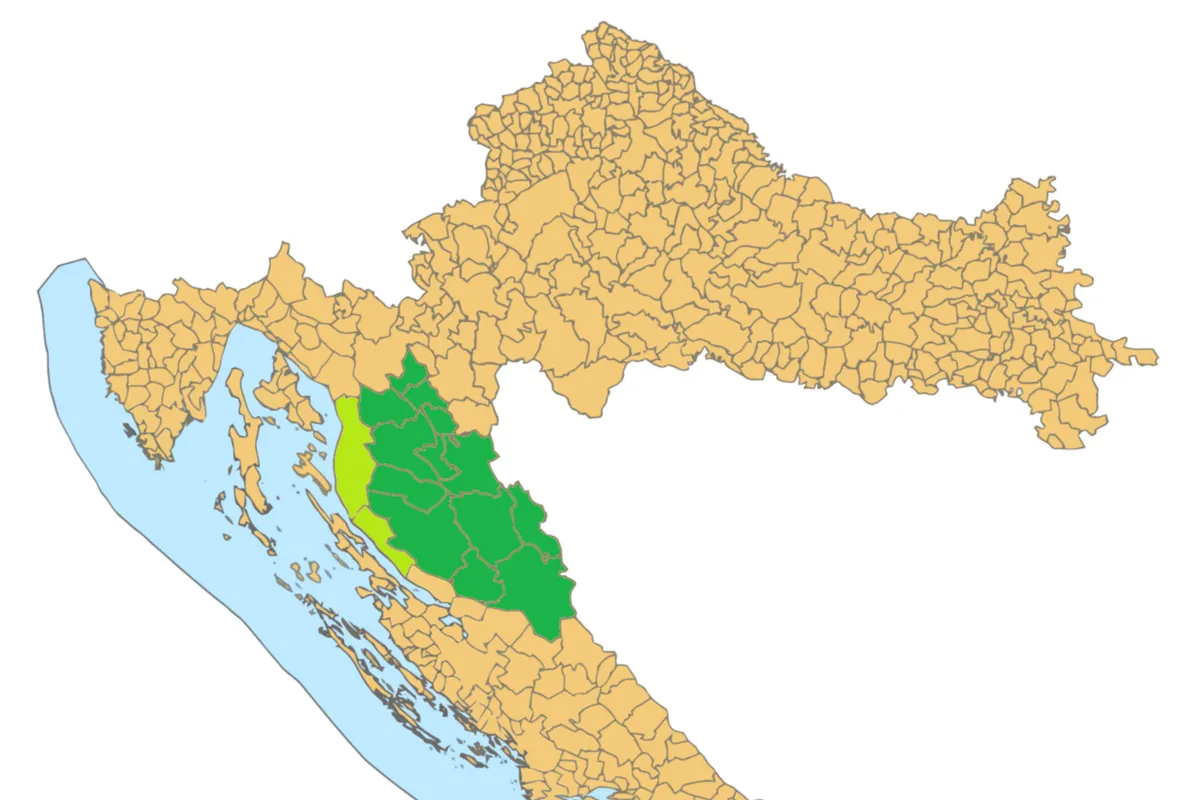
Jelinek reminds us of the context that gives this scandal particular weight. Lika is an area that Croatian defenders protected during the war at immense cost. "Even Gospić hung in the balance at one point. Many people died to make it part of Croatia," the author writes, drawing a painful parallel with the current situation. Instead of development, this "virginally clean" region, which never had heavy industry, has become a dumping ground for imported mafia toxic waste.
The author uses a hypothetical comparison with Israeli settlers in the West Bank to illustrate the absurdity of the situation. He imagines a scenario where, instead of introducing modern agricultural methods, they illegally bring hazardous waste to the occupied territory and then leave to work in northern Europe. The message is clear: we have betrayed our own territory for which we bled.
"We" as a Society, Collective Failure
Jelinek deliberately uses the pronoun "we," not only because not all participants in the criminal network are yet known, but because this is a collective failure. "We, as citizens, were incapable of building a system with built-in safeguards that would sound the alarm in time," the author explains. For years, no one reacted while thousands of trucks crossed the border. "The system did not react. Devastating."
The column does not spare the opposition either, noting that it has not distinguished itself. The author wonders where their local branches in Lika were and why citizens had to organize themselves to fight for basic safety, realizing that help from those who should have responded was not coming.
Political Abstraction and Concrete Poison
The text draws a clear distinction between topics that occupy political elites and what truly affects citizens. Endless wrangling over the Constitutional Court, the Supreme Court, or a special electoral unit for Croats in Bosnia and Herzegovina is described by the author as "pure abstraction" that ordinary people do not care about. In contrast, the fact that thousands of tons of waste of unknown and potentially dangerous composition have been dumped in Lika is a story that "everyone understands" and is "automatically hot political material."
Jelinek appeals to the government and the prime minister that they should have made a decision on urgent remediation procedures "yesterday." He emphasizes that the situation is technically extremely complex and that every day of delay could be crucial in preventing further spread of contamination. "We need to go to the field immediately and at least identify all possible risks. And respond to them immediately. There is no time to wait," the author urges.
A Mirror of Croatian Defeats
The column ends with a grim diagnosis of the nation's state. "We have concreted over and turned the coast into a maze of holiday apartments, Slavonia is demographically devastated and economically on its knees," Jelinek lists, adding Lika as the latest, perhaps most shameful example. Such cases, he concludes, are not the responsibility of one political option but "stem from a society that is simply incapable of producing better politics."
And while he hopes that we become better over time, the author realistically notes: "But it's really going slowly. Very slowly."