Meta Launches Muse Glimmer, Zuckerberg Calls for Regulatory Easing
The new open-source AI model runs on a standard computer with a single graphics card, and Meta's CEO tells Washington it must reduce barriers for American companies.
The new open-source AI model runs on a standard computer with a single graphics card, and Meta's CEO tells Washington it must reduce barriers for American companies.
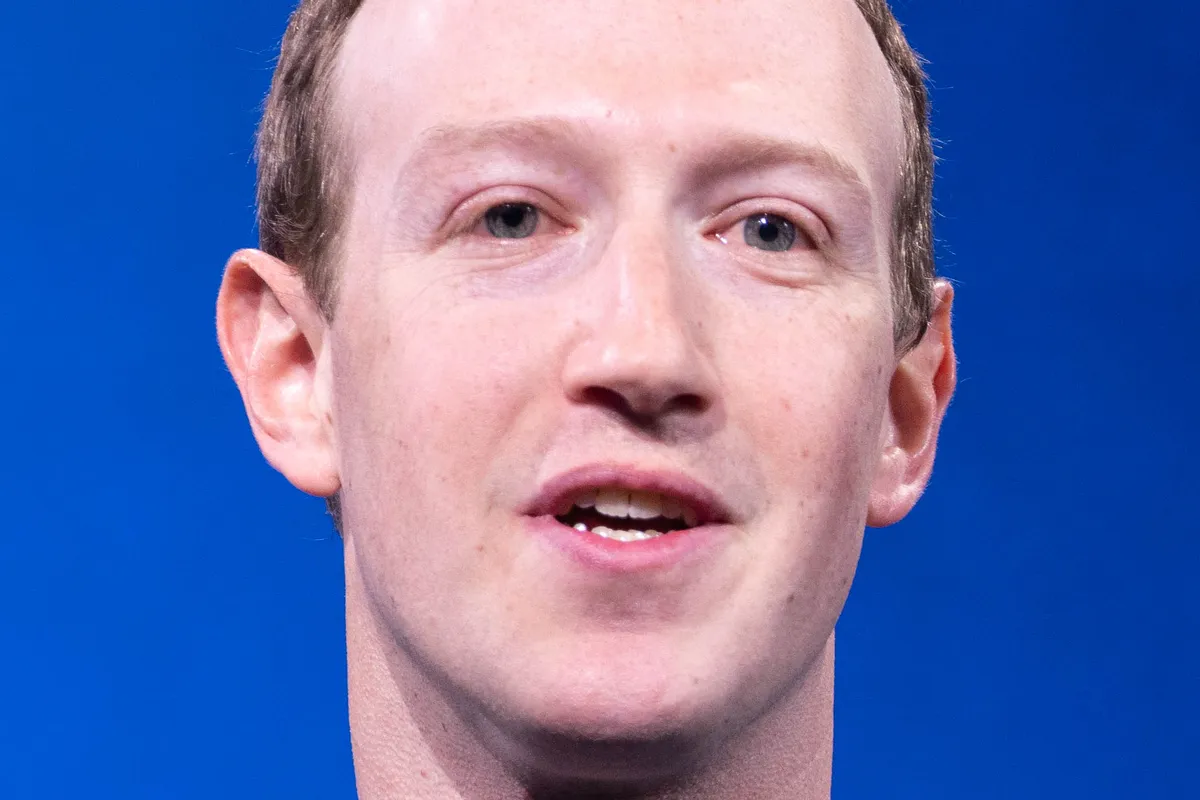
Internet giant Meta unveiled on Monday, August 10, 2026, a new open-source artificial intelligence model called Muse Glimmer. At the same time, CEO Mark Zuckerberg issued a sharp appeal to the U.S. government, calling for a relaxation of regulations that, in his words, stifle domestic innovators and give an advantage to Chinese rivals.
Muse Glimmer is significantly smaller than the leading models developed by OpenAI and Anthropic, and is designed for agentic AI. Its key advantage lies in accessibility: it can run on personal computers using just one graphics card, making it extremely practical for broader use and customization.
"I believe everyone should have access to superintelligence," Zuckerberg wrote in a post on X, sharing his vision of a future where advanced technology is not a privilege of the few. This move comes after Meta established a dedicated superintelligence research team last year, aiming to return to the forefront of the global AI race.
Open-source models, like the new Muse Glimmer, are generally cheaper than closed systems and offer far greater flexibility. Users can freely customize them to their own needs, unlike models that companies like OpenAI, Anthropic, and Alphabet keep entirely under their control. This openness has become a key battleground.
Zuckerberg was direct in his criticism of U.S. policies in a statement. "Foreign labs currently have several advantages because American ones must comply with many additional restrictions when it comes to data for training AI models," he said, referring specifically to the open-source sector. "U.S. policies must reduce these additional barriers if we want American open-source models to lead over time," he added.
His concern is not unfounded. Chinese developers are currently leading the race in open-source models. Models like Moonshot's Kimi K3, Alibaba's Qwen3.8-Max, and DeepSeek's V4-Flash are already competing with the most powerful systems, while leading American models remain closed-source. This Chinese advantage is vividly illustrated by a recent case involving American company Hugging Face, which last month, after being hacked by an OpenAI model, used a Chinese open-source model to defend against the attack.
The announcement of the new model was accompanied by a slight recovery on the stock market. Meta's share price, which has fallen about ten percent this year, rose one percent in pre-market trading on Monday, signaling investor optimism, Reuters reported.
In his post, Zuckerberg also advocated for so-called AI distillation, a process in which more powerful systems are used to train smaller models. He also announced the introduction of a new governance structure within Meta, in which independent directors will have the authority to approve safety criteria before models are released. This move comes at a time when President Donald Trump's administration earlier this month told developers that it would not require safety testing for open-source models, according to Prigorski, confirmed by two informed sources.