Young Bats on Flight Training
Warm weather and unskilled palm-sized flyers increasingly end up in homes, but experts say there is no reason to panic and offer simple instructions on what to do.
Warm weather and unskilled palm-sized flyers increasingly end up in homes, but experts say there is no reason to panic and offer simple instructions on what to do.
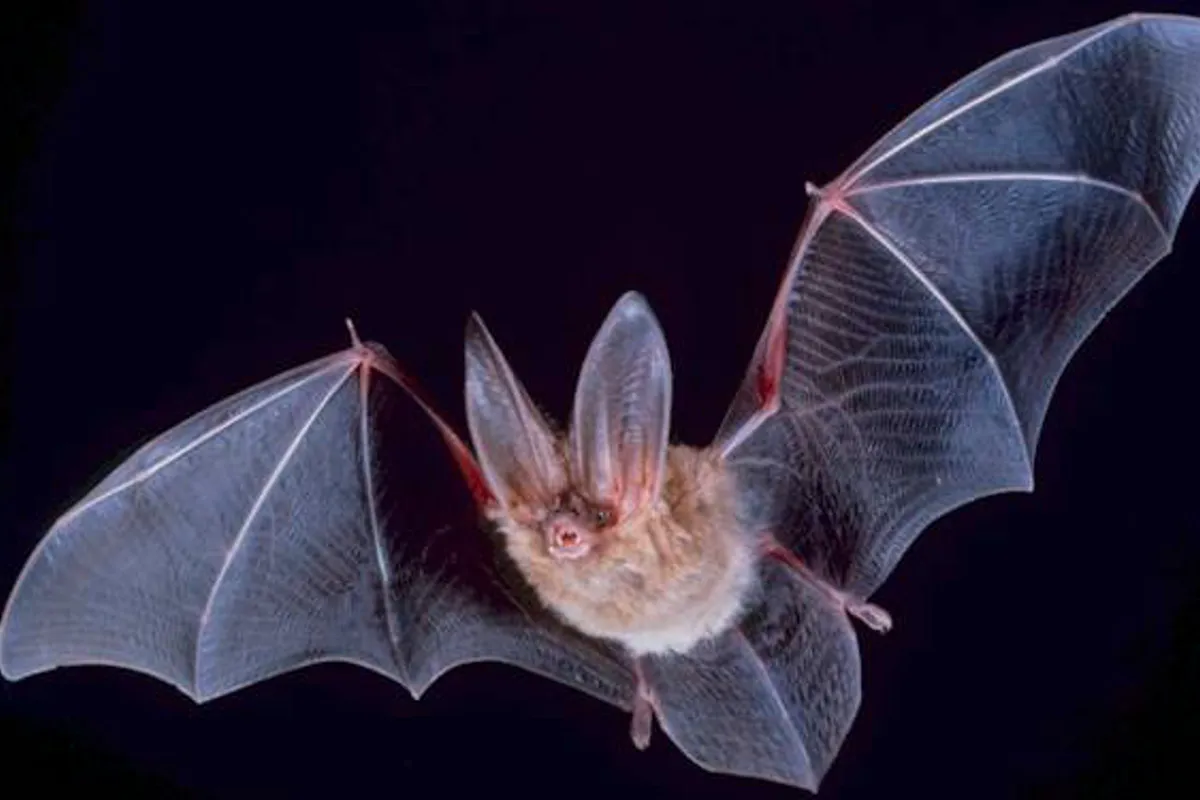
Over the past few weeks, residents of Zagreb have been increasingly finding unexpected guests in their homes. These are bats that, prompted by warm weather, are flying into houses and apartments more often. Although encountering them can be surprising, experts emphasize that fear is not justified.
Residents' concern is best reflected in the numbers of rabies vaccinations. Last year, 75 people across Croatia were vaccinated due to contact with bats. In the first two months of this year alone, 23 people in the Zagreb area have already been vaccinated. However, this does not mean that all of them were bitten by bats.
"These cases are actually very rare. For instance, out of these 23, I think only a few knew they were bitten by a bat," explained Nika Lazić, an epidemiologist at the Andrija Štampar Teaching Institute of Public Health, for RTL Danas.
The reason for the increased activity lies in the life cycle of these flying mammals. As autumn approaches, young bats go through a phase of learning to fly, and high temperatures quickly exhaust them.
"Now, as we get closer to autumn, we have these young bats learning to fly, so we see a lot of them getting lost. In their enthusiasm, while they're learning and haven't yet mastered flight, they fly into all sorts of places," explained Tvrtko Mataušić, a veterinarian at the Zagreb Zoo.
At the Zagreb Wildlife Rehabilitation Center, about 50 bats have been cared for this year, further testifying to their increased presence.
Experts have a clear and simple piece of advice: stay calm and give the animal a way out. You should never try to catch it with bare hands or force it out.
"The first thing I would do is open all available windows or exits from the house so that the animal, while flying, can also fly out somewhere," advises Mataušić.
One of the biggest concerns for residents is whether a bat will bite them. Experts reassure that this is unlikely. "Bats have such small teeth that most species near us cannot even break the skin," emphasized Mirna Mazija, president of the Tragus bat protection association. The species most commonly found in apartments is the common pipistrelle, much smaller than Croatia's largest species, the greater noctule, which can only be seen in remote locations like the Brijuni and Kornati islands.
As for vampire bats, they are not a myth, but they live far from Croatia. "It's not a myth. In South America, there is a species of vampire bat. These are bats that come, make a small wound, and lick the blood of their victim, prey, or whatever," explained Mataušić, confirming that they sometimes even attack "people."
However, there is no reason for fear in Croatia. Additional reassurance comes from the fact that no case of rabies following a bat bite has been recorded in Europe. Nevertheless, in the event of any close contact or suspicion of a bite, residents should contact health services and follow their instructions.